Alexis Dornier: Architecture as a Living Process and the Art of Emotion
– 5 min read

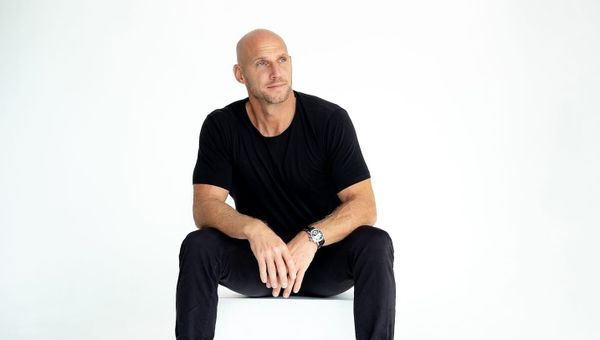
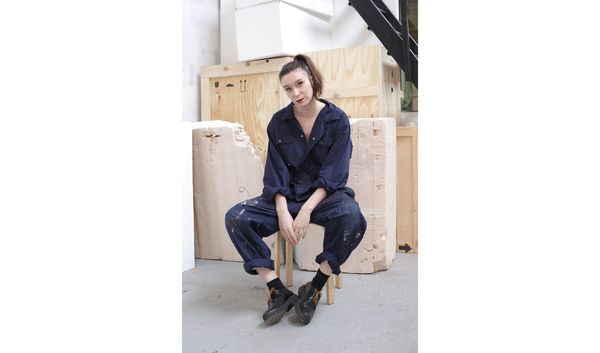
At Alexis Dornier Makings, the team, known as ‘the Makers,’ forms the core of the creative vision. This talented group of architects, designers, and innovative thinkers brings a unique mix of skills, imagination, and passion. Drawing from a global pool of experience and cultural backgrounds, the Makers weave together diverse ideas to innovate and deliver on complex architectural projects. Committed to excellence and innovation, they don’t just work here—they are change-makers, constantly challenging the limits of what can be achieved in architecture.
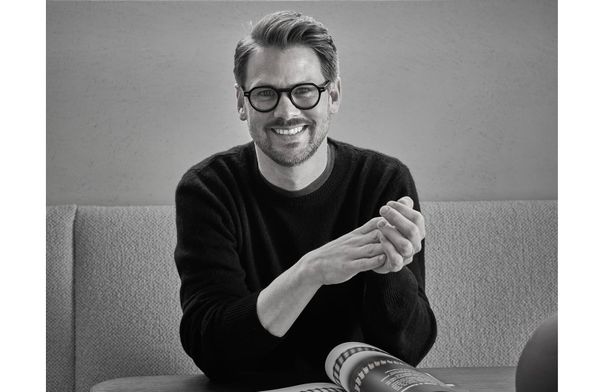
Born in 1981 in Germany, Alexis Dornier comes from a family of artists, engineers, and entrepreneurs. He pursued his passion for architecture at the Berlin University of the Arts. In 2004, he moved to New York City, where he gained experience through internships at firms such as Asymptote Architecture, OMA-NY, and Rex until 2007.
In 2013, Alexis left Berlin for Bali, marking a period of creativity and innovation. Initially consulting on local projects, he soon began leading his own architectural designs. This move allowed him to expand his influence across the Indonesian Archipelago and beyond.
“I see architecture as a living process, not a fixed aesthetic. It’s about experimenting, breaking rules, finding the edge between rationality and instinct.”— Alexis Dornier
iPremium DD: Can you share your journey into the field of architecture and design? What initially sparked your interest?
Alexis Dornier: I grew up surrounded by engineering, aviation, and design, but my entry into architecture wasn’t linear. I was drawn to storytelling—movies, set design, spaces that create tension and emotion. Watching James Bond films as a kid, I was fascinated by the architecture of the villain’s lairs—the boldness, the theatrics, the way space could hold power. Later, I studied architecture at the Berlin University of the Arts and worked in New York, but it was moving to Bali that opened up a new way of working for me. Here, I found a more intuitive, more personal approach—one where architecture isn’t just about problem-solving but about calling to the muse and translating ideas into something visceral.
iPremium DD: How would you describe your architectural style, and what principles guide your design approach?
Alexis Dornier: I see architecture as a living process, not a fixed aesthetic. It’s about experimenting, breaking rules, and finding the edge between rationality and instinct. I think in terms of tension and contrast—light and shadow, heaviness and levitation, rawness and refinement. It’s about creating an experience, not just a building. After thousands of hours designing, I’ve realized that craft is just the vehicle—what matters is how a space feels. Some architects master the technical side, just like some musicians perfect their instrument. But it’s the ones who inject soul, spontaneity, and raw expression into their work that truly move people. That’s where the power is.
iPremium DD: Can you explain the importance of sustainability in your work?
Alexis Dornier: Sustainability isn’t a checklist—it’s about making intelligent decisions and questioning what’s necessary. It’s about tuning into the environment—how the wind moves through a space, how light interacts with materials, how a structure can age gracefully instead of fighting nature. I try to use local materials, minimize waste, and create designs that don’t rely on artificial cooling. But beyond that, it’s about awareness—getting clients to see sustainability as a mindset, not just a feature.
iPremium DD: What do you believe is the most essential element of good architectural design?
Alexis Dornier: Atmosphere. It’s not about how something looks but how it makes you feel. A space should have presence, weight, energy—it should tell a story. Good architecture has an almost cinematic quality; it builds tension, creates rhythm, and plays with expectations. It’s not about following a formula but about orchestrating moments—how light cuts through a room at a certain hour, the way materials change over time, how a space holds silence.
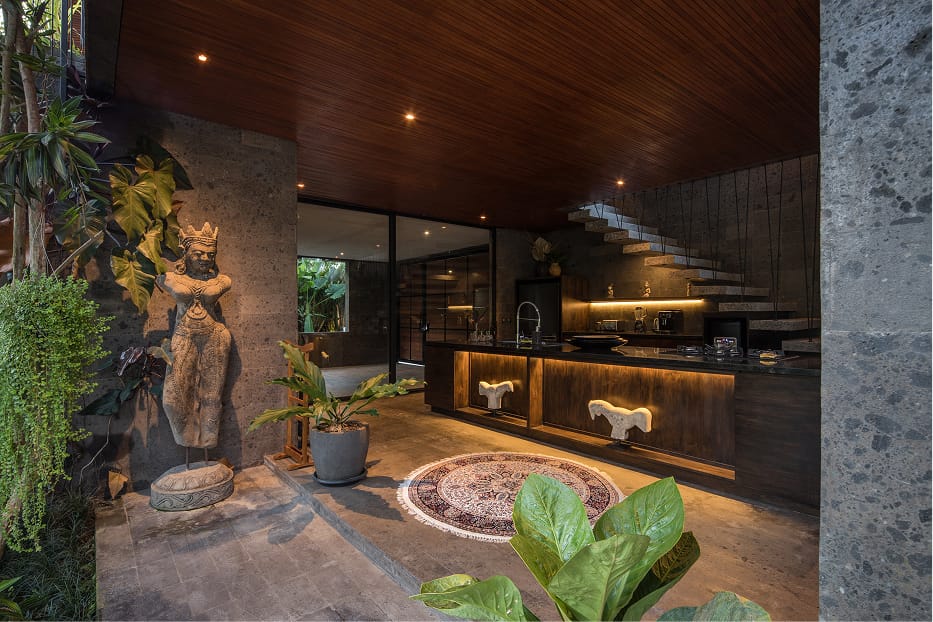
iPremium DD: Could you highlight a project that best represents your vision and explain why?
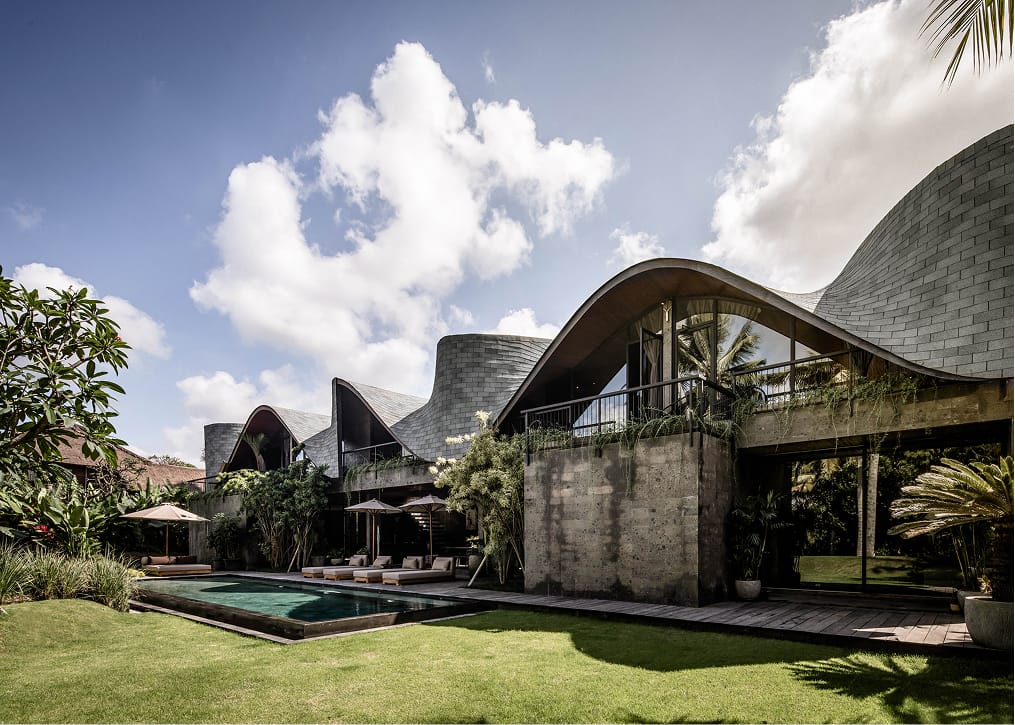
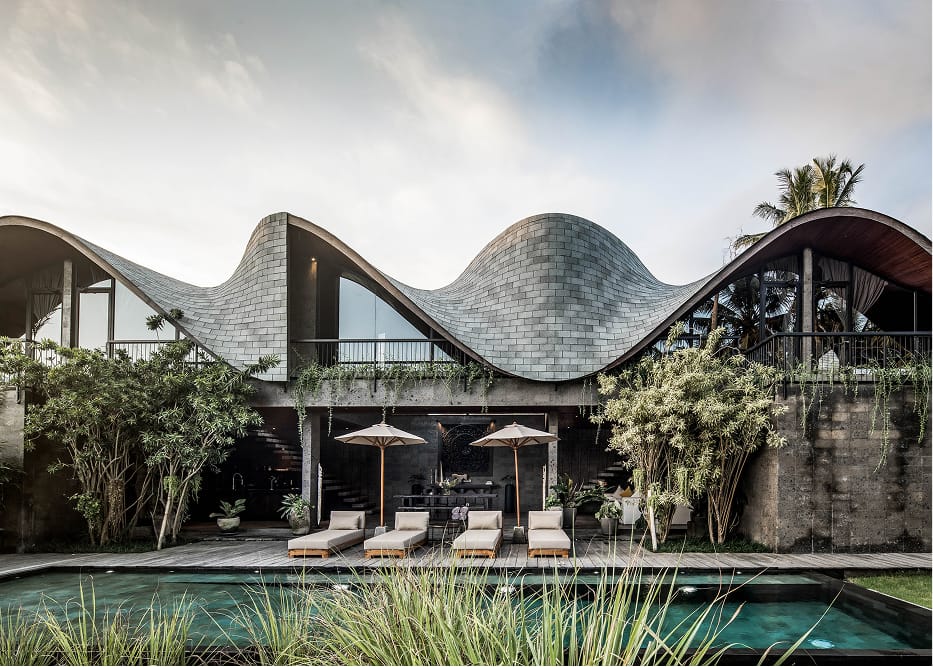
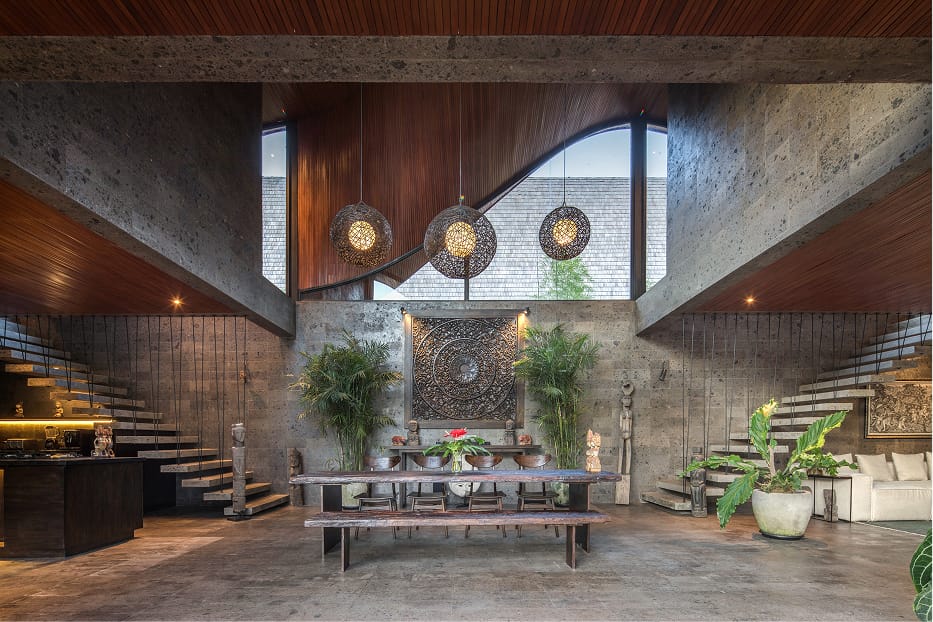
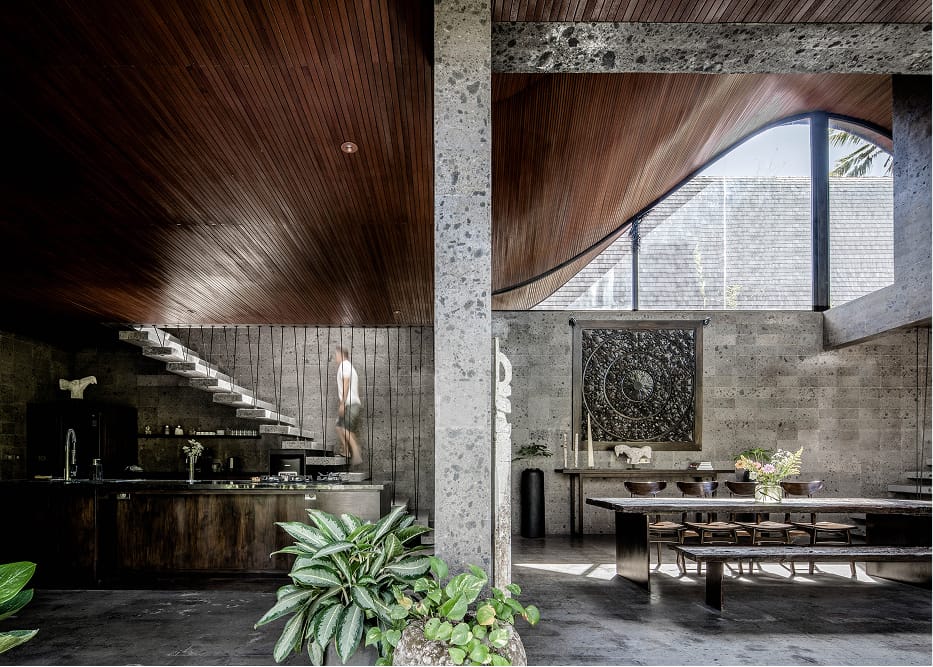
Alexis Dornier: Alpha House in Ubud is a good example. The roof undulates like the hills, the structure breathes, and the whole thing feels like it’s in sync with the landscape rather than imposed on it. There’s a musicality to the rhythm of the structure—it’s a balance of precision and improvisation. That’s what I aim for: something that doesn’t just work but resonates.
iPremium DD: How do you integrate client feedback into your design process?
Alexis Dornier: Every project is a conversation, and my job is to decode the essence of what a client is really looking for—even if they don’t yet know it themselves. Sometimes that means challenging their assumptions, pushing them toward something unexpected. I believe in negotiation, not compromise—guiding the process in a way that keeps the vision strong while respecting the practical needs of the project.
iPremium DD: What current trends in architecture do you find most exciting or innovative?
Alexis Dornier: I’m drawn to adaptive architecture—spaces that can change, evolve, breathe. I’m also fascinated by the resurgence of craft and imperfection in design. In a world of digital precision, I think people crave something more human, more tactile. I see a shift toward architecture that feels less polished, more raw, where you can sense the hands that built it.
iPremium DD: What role do you think technology will play in shaping the future of architecture?
Alexis Dornier: Technology is a tool, not the answer. It allows us to optimize, fabricate, and experiment, but at the end of the day, architecture is about people and place. The most exciting work happens when you use technology to enhance intuition—not replace it. It’s about finding the balance between what’s engineered and what’s felt.
iPremium DD: How do you stay inspired and motivated in such a competitive industry?
Alexis Dornier: I don’t chase trends or validation—I follow curiosity. Inspiration comes from everywhere—music, cinema, landscapes, philosophy. There’s a flow state in design, where ideas just come, and I see myself as a medium for that process rather than the sole author. That’s what keeps me excited: the idea that every project is an opportunity to discover something new.