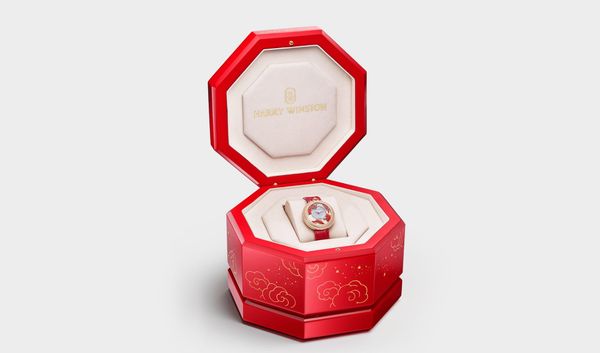
Best watches from Watches and Wonders 2026 displayed in Geneva, including standout new timepieces from major maisons. Watches and Wonders 2026 highlights, top timepieces Watches and Wonders 2026, best new watches 2026, Watches and Wonders Geneva 2026.
In Geneva, between 10 and 20 April 2026, Watches & Wonders returned with a quieter kind of confidence. Across 60 exhibiting brands, the most persuasive releases were not the loudest ones. They were slimmer, smaller, mechanically disciplined, and often more rooted in the long histories of the maisons presenting them.
That shift matters. Industry coverage from Elite Traveler, Hypebeast, Gear Patrol and MJewelry’s trend report points to the same conclusion: 2026 was defined less by spectacle than by proportion, movement architecture and finish. The watches below stand out not simply as isolated novelties, but as evidence of where high watchmaking is heading.
The Mood in Geneva: Thinner Cases, Smaller Diameters, Sharper Intent
If one chart could summarise Watches & Wonders 2026, it would track case diameters drifting back under 40mm. Several of the fair’s most discussed pieces landed between 36mm and 39.5mm, while thickness became a point of technical competition rather than a line-item spec.
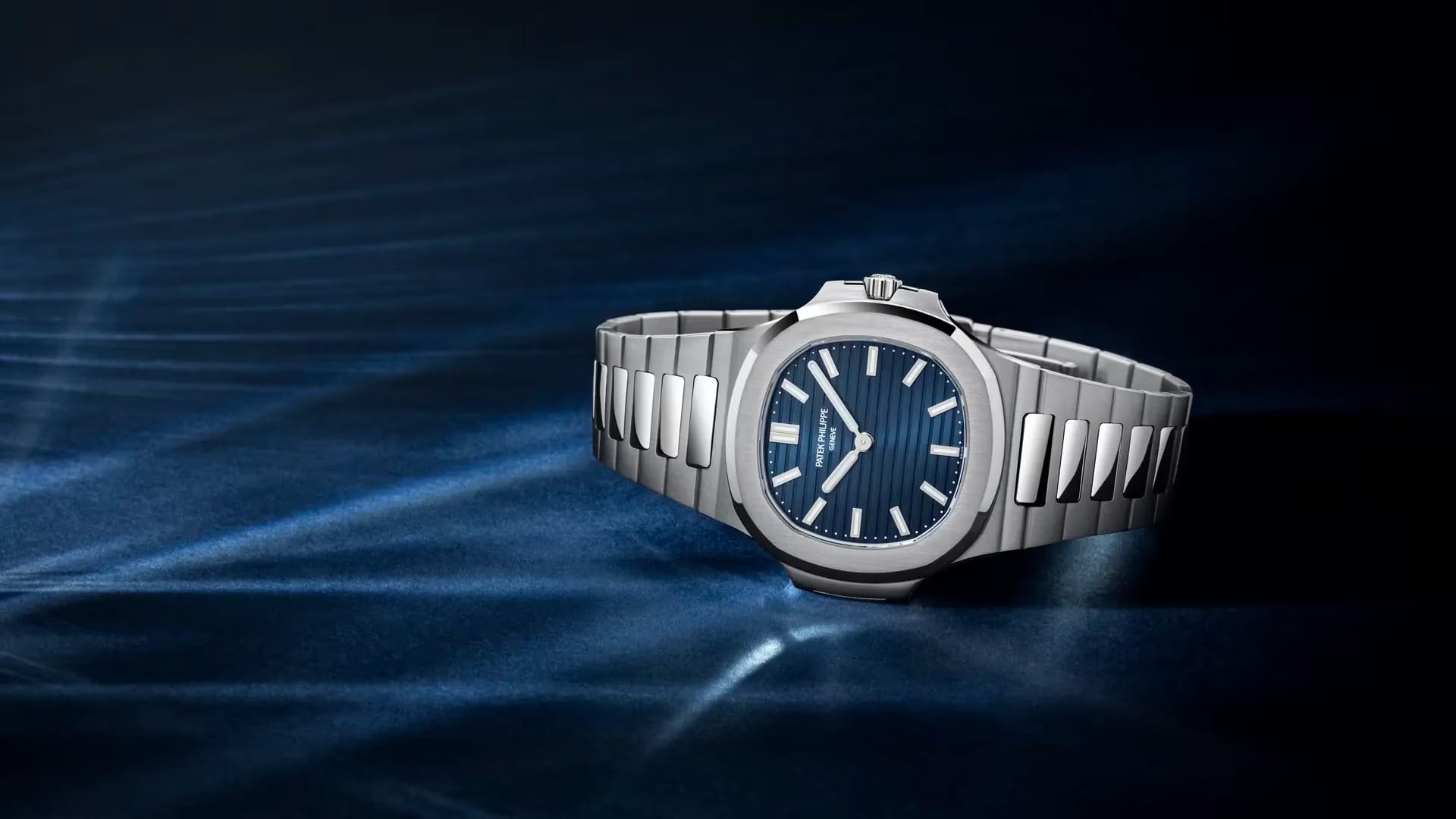
Patek Philippe Nautilus 5610/1P: 38mm, 6.9mm thick
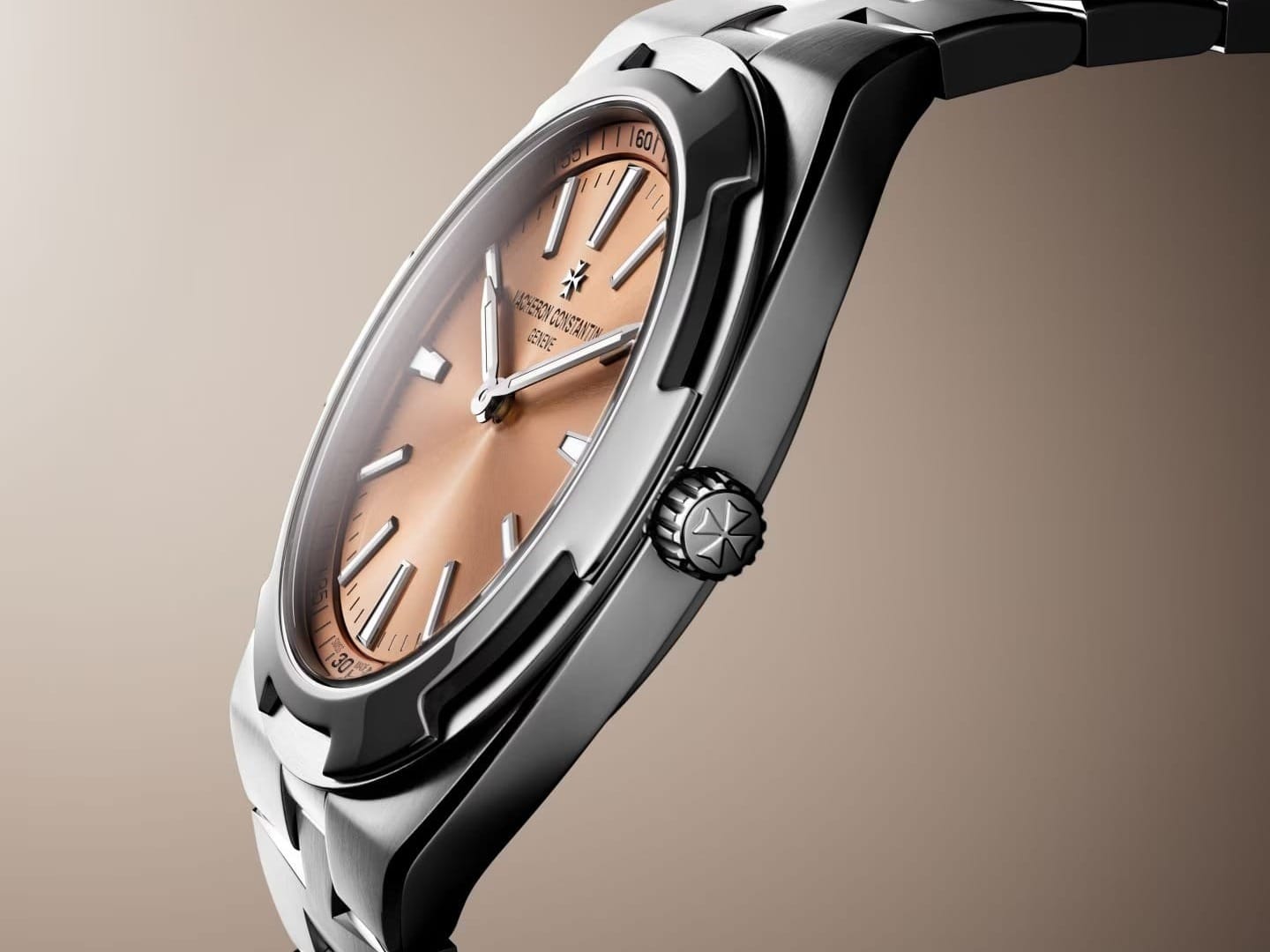
Vacheron Constantin Overseas 2500V/220P: 39.5mm, 7.35mm thick
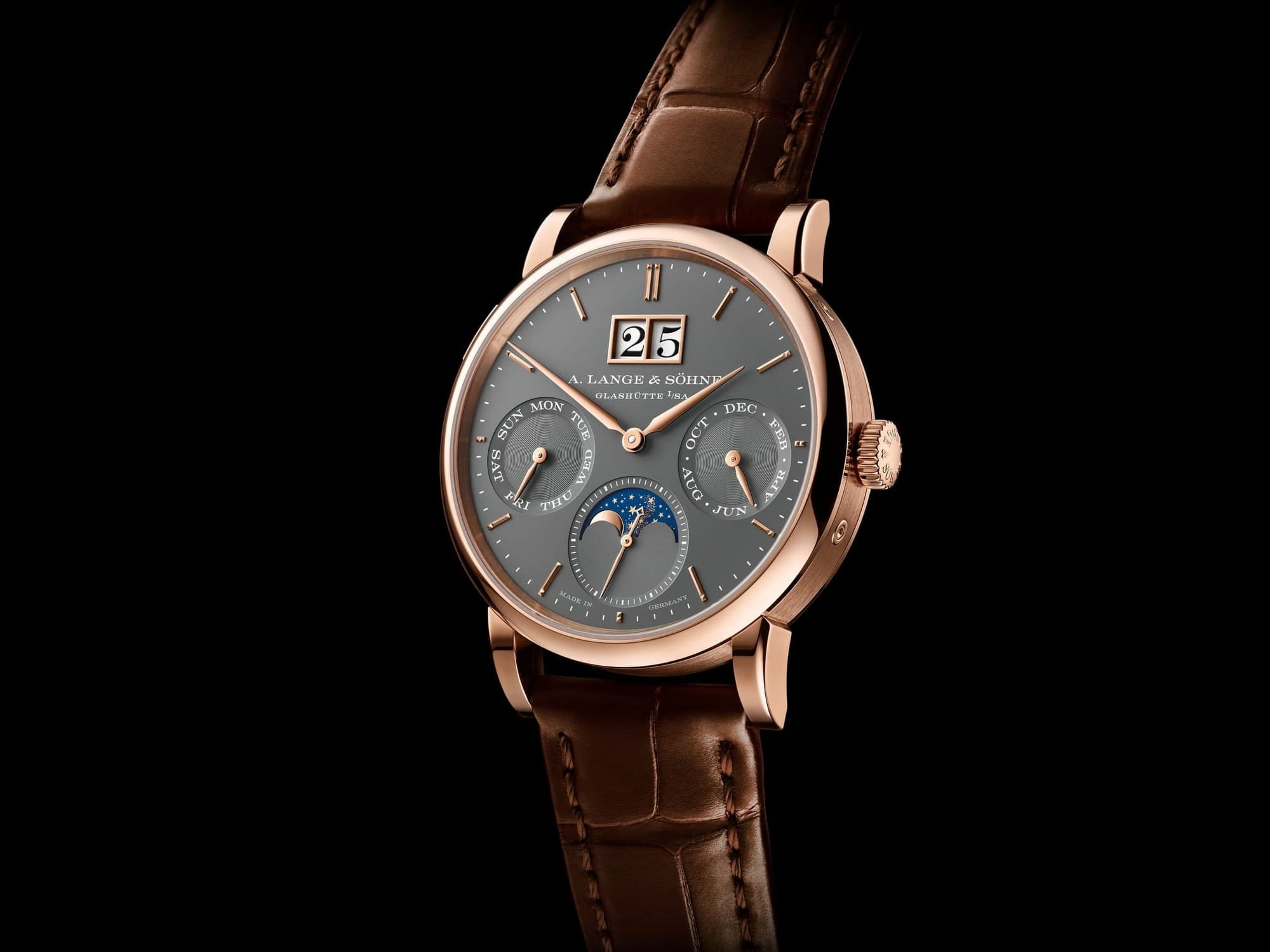
A. Lange & Söhne Saxonia Annual Calendar: 36mm, 9.8mm thick
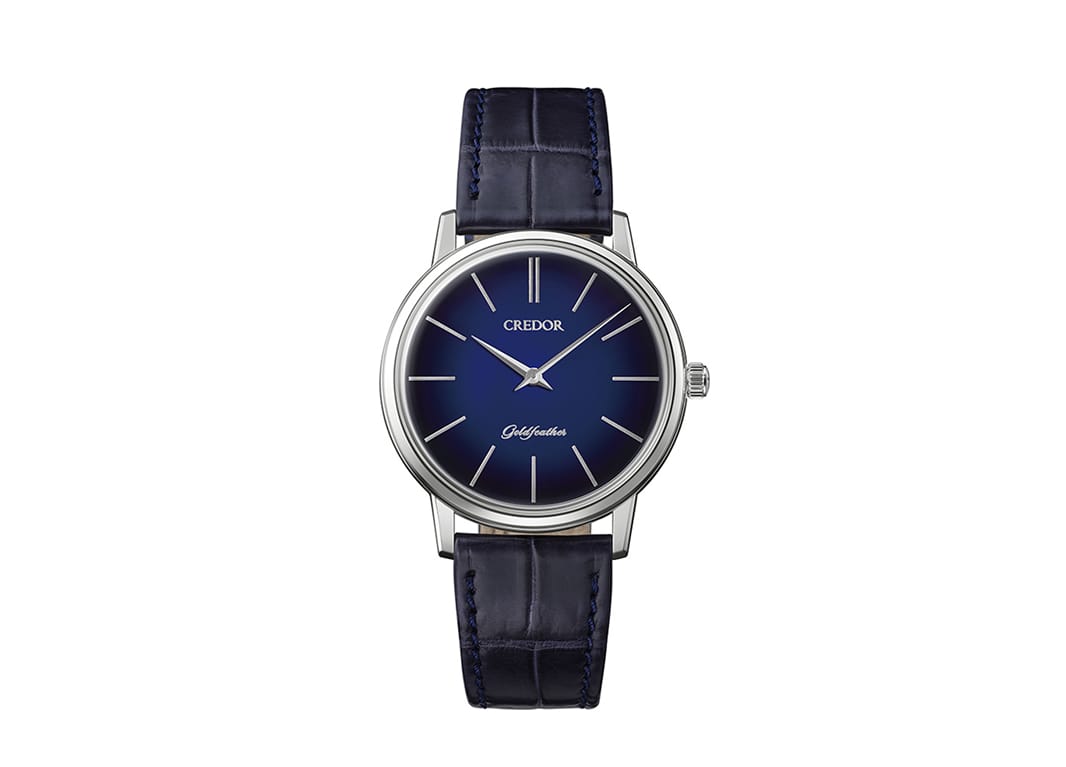
Credor Goldfeather GBBY967: 37.4mm, 8.1mm thick
This was not universal minimalism. Larger watches remained present, particularly in pilot and dive categories. But the editorial centre of gravity shifted toward restraint. Even brands associated with sports watches and tool-watch lineage leaned into cleaner dials, flatter profiles and more controlled colour palettes.
Patek Philippe and Vacheron Constantin: Ultra-Thin Sports Watches as the Fair’s Defining Story
Patek Philippe’s most scrutinised release was the Nautilus Ref. 5610/1P, issued for the model’s 50th anniversary. The historical anchor is clear: the original Nautilus debuted in 1976, and its design is tied to Gérald Genta. Multiple reports, including Elite Traveler and Hypebeast, confirm the new anniversary edition at 38mm in platinum, with a 6.9mm profile and production limited to 2,000 pieces.
The watch is notable less for novelty than for editing. By omitting date and running seconds, Patek Philippe pushed the anniversary model closer to the spare character of early Nautilus references. In a market that has often rewarded complexity and scarcity theatre, this watch took the opposite route: familiar form, thinner execution, anniversary logic.
Reported price: US$112,529.
Vacheron Constantin Overseas Self-Winding Ultra-Thin
If Patek Philippe used an anniversary to look backward, Vacheron Constantin used the Overseas to make a technical statement. The new platinum reference 2500V/220P measures 39.5mm across and 7.35mm in height, according to figures repeated across coverage. The key development is the new calibre 2550, listed at 2.4mm thick with an 80-hour power reserve.
That movement matters beyond one reference. Ultra-thin sports watches with integrated bracelets have become a category of prestige in their own right, and Vacheron’s answer is both mechanical and visual. The salmon-toned dial, repeatedly noted in reports from Geneva, placed the watch inside the current preference for warmer metals and softer dial colours, but the real story sat inside the case.
Reported price: US$120,000.
A. Lange & Söhne and Chopard: Complications Without Bulk
A. Lange & Söhne approached the fair from a different angle. Rather than reworking a steel sports template, it reduced a known complication to dress-watch proportions. The Saxonia Annual Calendar appeared in pink gold with a 36mm case and a thickness of 9.8mm, figures cited by Elite Traveler.
The reduction in size is the point. Calendar watches often drift upward in diameter as displays multiply across the dial. Lange resisted that tendency. The result suggests one of 2026’s broader lessons: complication no longer requires visual excess. The brand did not publish a widely cited retail price in the available reporting, so price claims are better left aside.
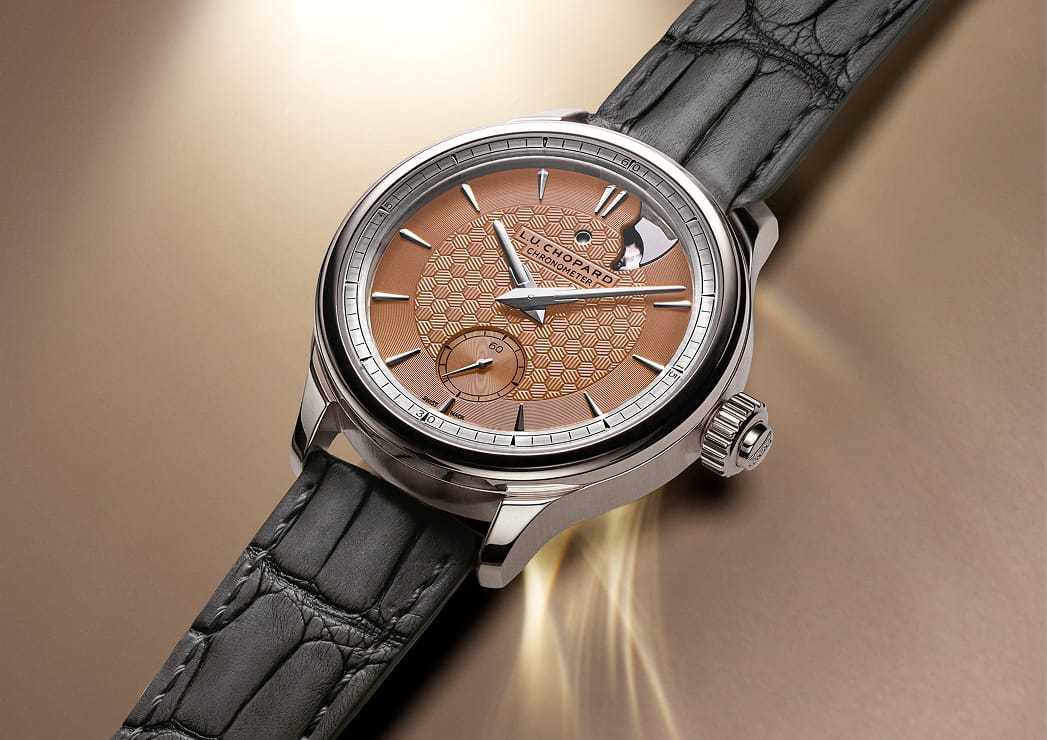
Chopard’s L.U.C Strike One translated a traditionally domestic complication into a contemporary wristwatch. The sonnerie au passage, a passing strike that sounds once at the top of each hour, remains rare in serial production. Reports identify the 2026 edition in titanium, measuring 40mm wide and 9.86mm thick, priced at US$66,600.
The decision to pair a chiming mechanism with titanium is revealing. It keeps weight under control while shifting attention to sound and movement engineering rather than precious-metal heft. Several commentators singled out the watch for balancing technical interest with daily wearability, a phrase that surfaced repeatedly in post-fair analysis.
Craft as Narrative: Cartier, Jaeger-LeCoultre and Credor
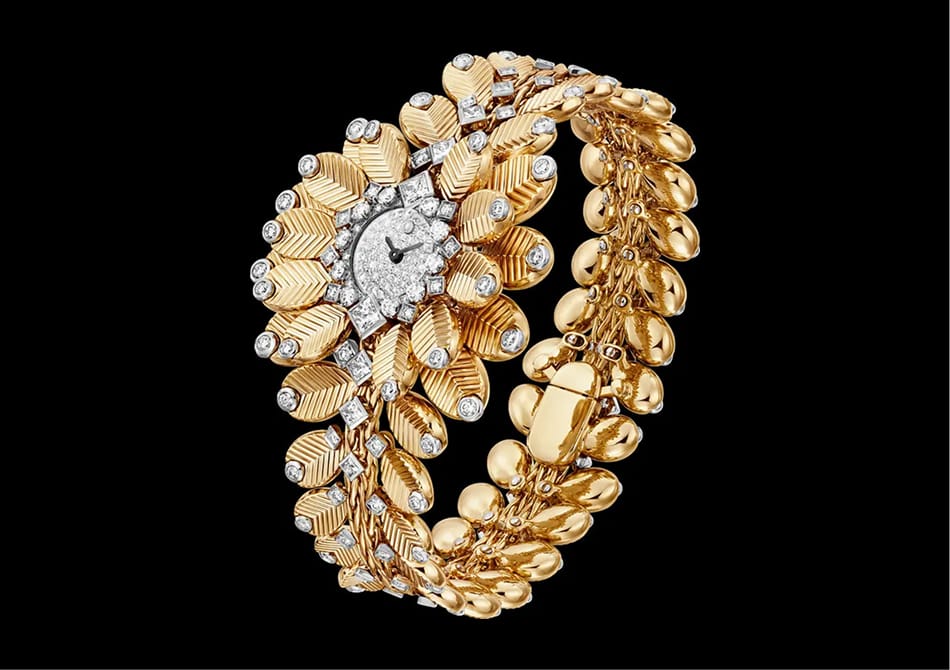
Cartier’s Grain de Café watch sat somewhat outside the fair’s ultra-thin narrative, but it belonged in the conversation for another reason: jewellery-watch history returned as design language rather than nostalgia exercise. Coverage linked the model to Cartier’s mid-20th-century Grain de Café motif, associated with Jeanne Toussaint and with archival jewellery designs that have reappeared in recent auction attention.
Some specifics in secondary reports, including film references and biographical flourishes, are inconsistently presented and not consistently verified across sources. What can be confirmed is the core proposition: yellow gold, diamonds, and a revival of a historic Cartier code in watch form. For that reason, this piece is best understood as one of the fair’s clearest examples of maisons mining their own archives with precision.
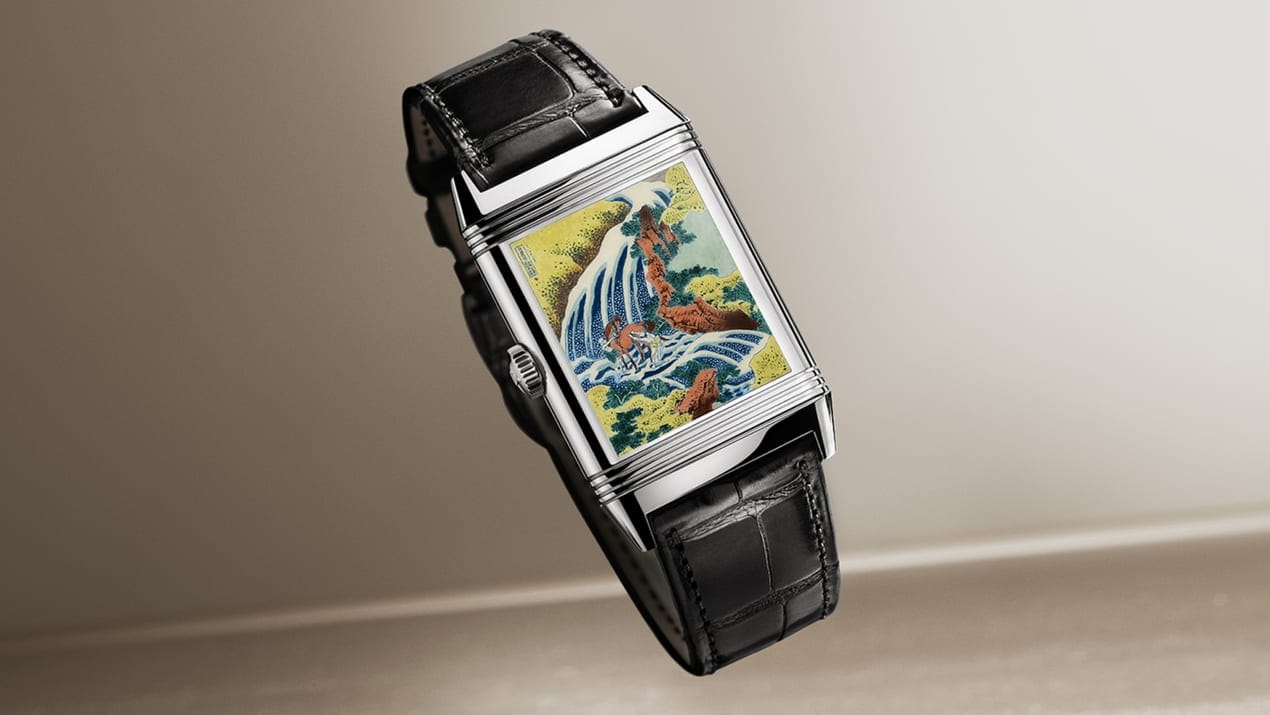
Jaeger-LeCoultre used the Reverso’s reverse side as a site for miniature painting, releasing enamel tributes to Hokusai waterfall works. Reports describe four designs, each limited to 10 examples, in white gold. Dimensions were listed at 27.4mm and 9.73mm thick, with a price of €147,300.
These watches sat at the intersection of mechanical watchmaking and decorative arts. The reported production time, more than 100 hours for each painted caseback, is significant because it explains both the limitation and the positioning. In a fair increasingly defined by proportion and engineering, Jaeger-LeCoultre made the argument that time spent by the artisan still carries commercial and cultural weight.
From Japan, Credor contributed one of the most restrained watches in Geneva. The Goldfeather GBBY967 was reported at 37.4mm wide and 8.1mm thick, limited to 25 pieces and priced at US$47,000. The point of distinction was the dial: urushi lacquer in a blue tone achieved through repeated hand application and polishing.
Credor’s presence also widened the conversation beyond the familiar Swiss axis of the fair’s most discussed brands. While some editorial roundups remained Swiss-heavy, other observers, including Gear Patrol, leaned more heavily toward Japanese watchmaking innovation overall. The Credor supported that wider view, not through headline complications but through material craft and control.
Rolex, Panerai and IWC: Heritage Reframed for Daily Wear
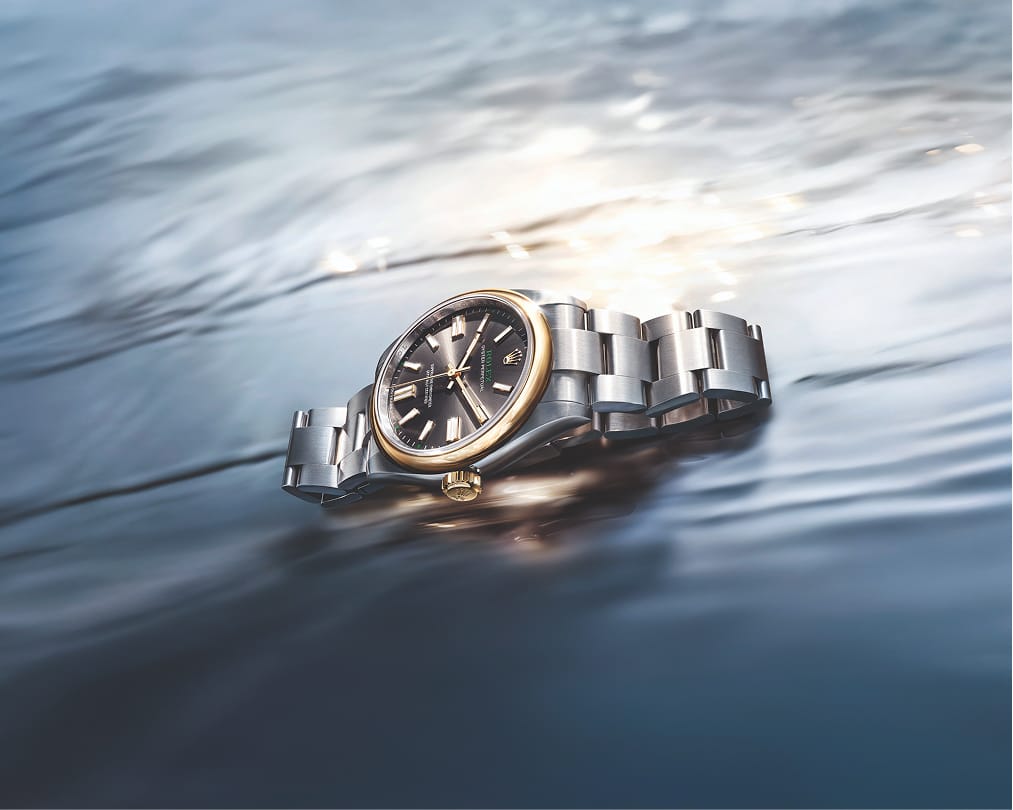
Rolex marked the centenary of the Oyster case, first introduced in 1926. According to multiple reports, one commemorative expression was an Oyster Perpetual 41 reference 134303, listed at US$9,650. Coverage describes anniversary cues on the dial and branding, although detailed design language varies across sources.
The importance of the watch lies in Rolex’s method. Rather than radically re-engineering a core model, the brand embedded anniversary references into one of its most recognisable everyday platforms. That approach mirrors the wider 2026 fair: heritage was present, but often in controlled doses.
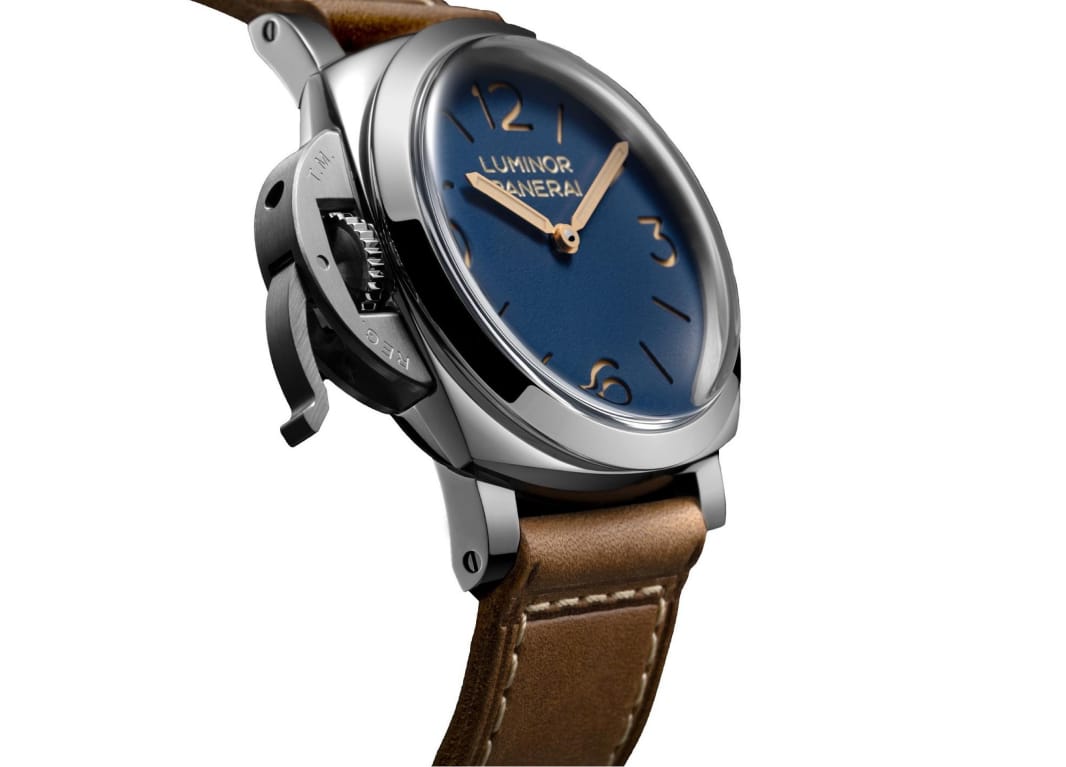
Panerai’s contribution came from the opposite end of the sizing spectrum. The Luminor Destro PAM01732 retained a 44mm case and the left-side crown architecture implied by the Destro name. Secondary coverage cites a matte blue dial, beige-toned luminous material and a price of US$9,200.
In the context of Geneva, the watch worked as a reminder that the return to moderation did not erase character. Panerai kept its recognisable military-derived silhouette, but the colour treatment and vintage-coded details aligned it with the fair’s broader interest in historical references.
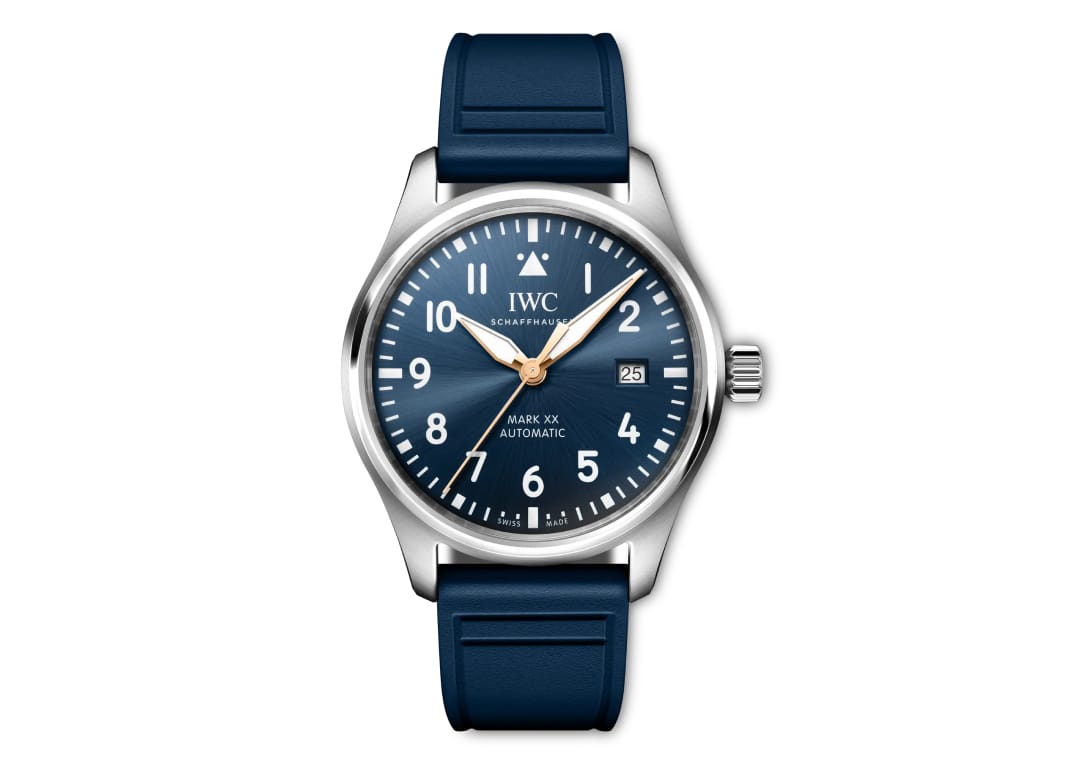
IWC continued its long-running Le Petit Prince line with a gold Pilot’s Watch Mark XX, reference IW328301, reported at 40mm and priced at US$22,500. The collection’s literary link to Antoine de Saint-Exupéry is well established, and 2026 marked roughly two decades since IWC began issuing Petit Prince editions.
What stood out in Geneva was not the existence of another themed pilot’s watch, but the way IWC translated a military-derived template into a warmer, more formal register. Like Rolex, IWC treated heritage as adaptable rather than fixed.
Parmigiani Fleurier: The Case for the Series, Not the Single Reference
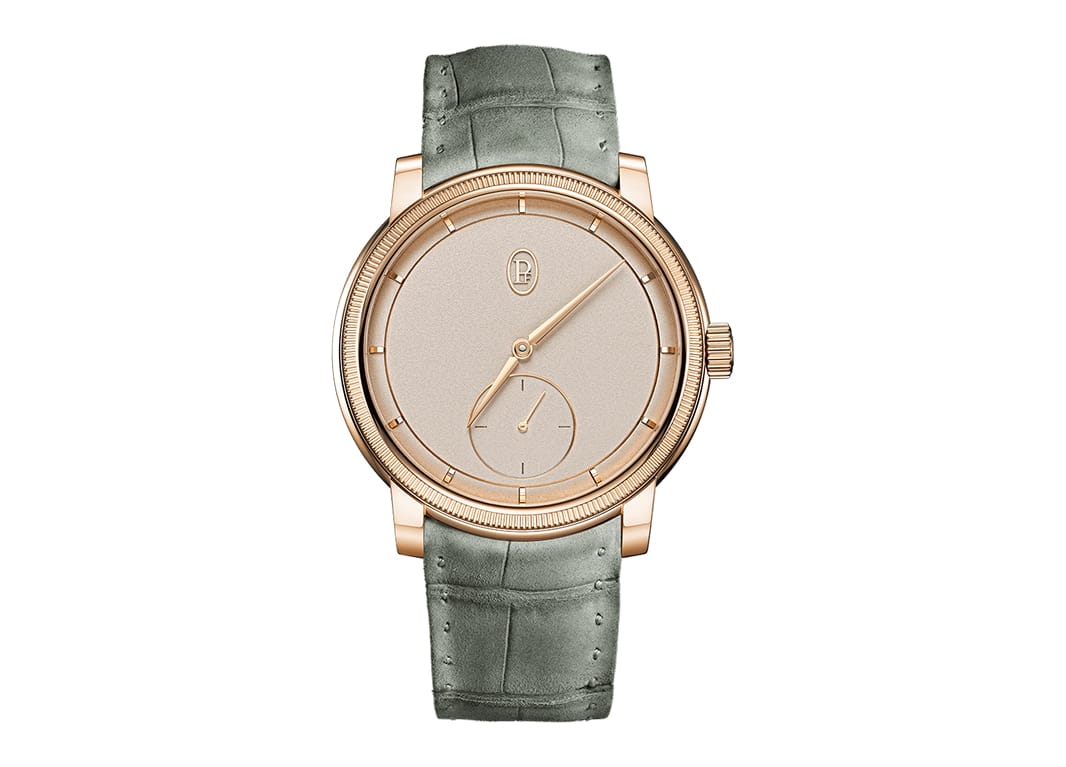
Parmigiani Fleurier took a broader approach with three Toric anniversary models marking 30 years of the line: Petit Seconde, Quantième Perpétuel and Chronograph. Reported sizes and prices varied significantly, from the 40.6mm Petit Seconde at US$90,500 to the 42.5mm Chronograph at US$190,700.
These watches are worth considering together because the collection made a coherent argument about finish and form. Reports repeatedly noted hand-hammered dials, restrained colours and numbered editions of 30 pieces each. In a fair full of isolated hero products, Parmigiani presented a family of watches with a shared visual language.
What the 11 Watches Say About 2026
Set side by side, these 11 timepieces map the fair’s dominant patterns with unusual clarity.
Case sizes contracted. Several high-profile launches landed below 40mm.
Thinness became strategic. Brands used movement development, not just case design, to reduce height.
Heritage returned in edited form. Anniversaries and archive references appeared, but mostly without theatrical retro styling.
Decorative craft remained relevant. Enamel, lacquer and hand-worked dials held their place beside technical launches.
Sports-watch codes matured. Integrated bracelets, once presented with overt hype, were handled here with more discipline.
There was no single consensus list after the fair. Some editors favoured the established Swiss houses, while others highlighted underdogs and independent-minded choices. That divergence is useful. It suggests Watches & Wonders 2026 was not driven by one dominant blockbuster, but by a set of related themes visible across categories and price points.
Conclusion
The most telling image from Geneva this year was not a crowded booth or a gem-set headline piece. It was a series of watches that asked for closer inspection: a 2.4mm movement hidden inside a platinum sports watch, a 36mm annual calendar that refused to inflate, an enamel caseback painted over more than 100 hours, a lacquer dial whose colour emerged slowly through repeated finishing.
For collectors and casual observers alike, that is the real takeaway from Watches & Wonders 2026. The fair did not abandon ambition. It redirected it. Less volume, more calibration. Less theatre, more watchmaking.