Womenswear Brands to Watch Ahead of 2026
– 3 min read

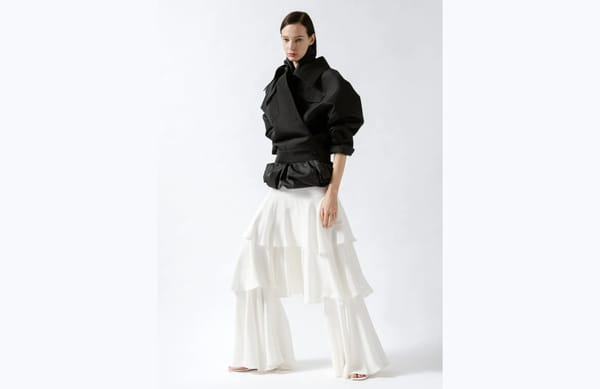
Fashion’s obsession with the next “it” label rarely leaves room for discernment. Collections circulate faster than opinions can form, and novelty often replaces relevance. Yet some brands persist — not because they shout the loudest, but because they articulate a point of view that feels considered, consistent, and attuned to how women actually dress now.
These seven womenswear labels reflect where the industry is heading: quieter design languages, long-term wearability, and a recalibration of what modern femininity looks like in practice.
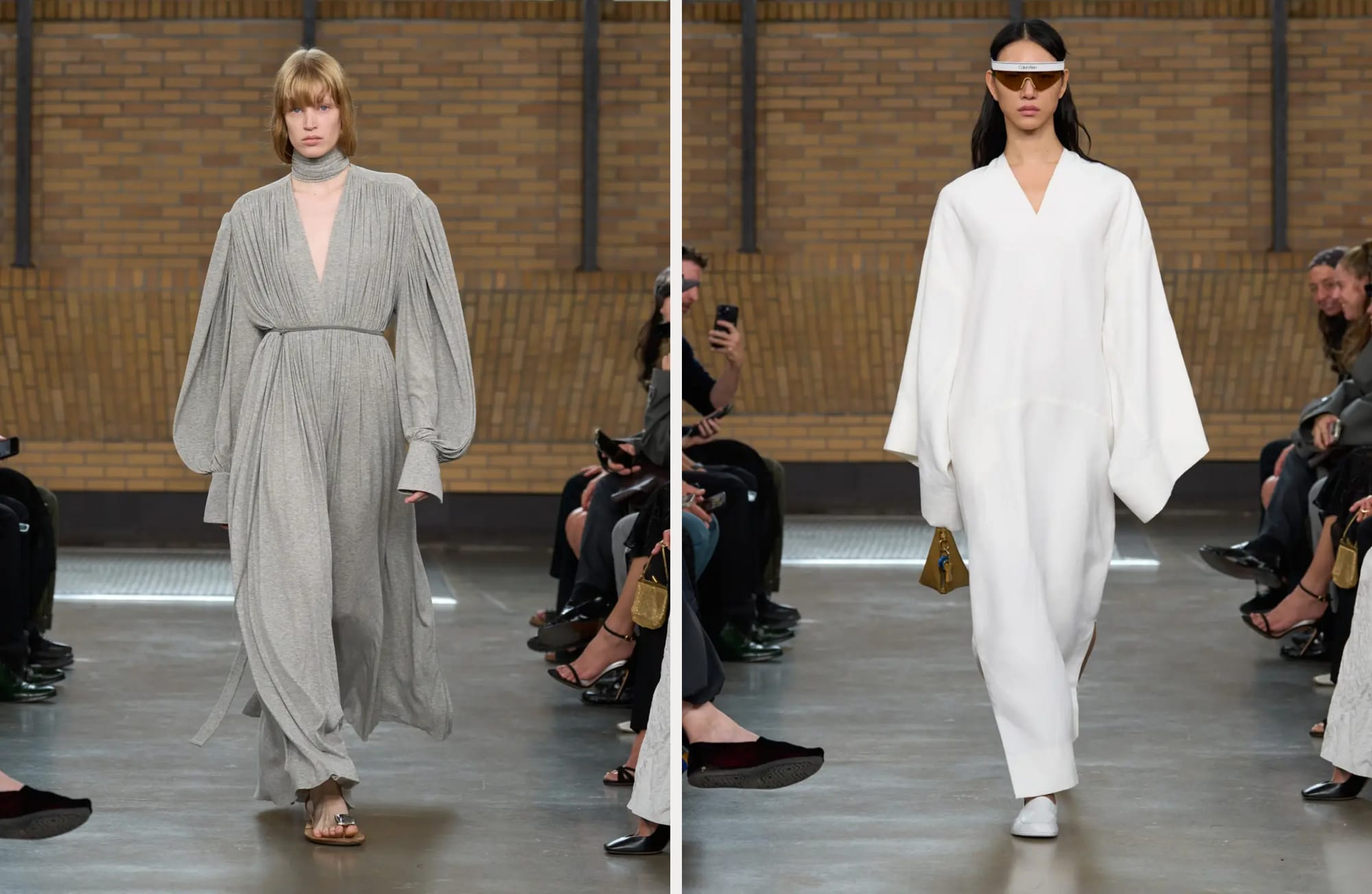
After several years without a creative lead, Calvin Klein Collection re-enters the conversation under the direction of Veronika Leoni. Her background at The Row is evident: restraint replaces nostalgia, and minimalism is treated as a discipline rather than an aesthetic shortcut.
The Autumn/Winter 2025 runway marked a return to structure — neutral palettes, sculptural tailoring, and accessories positioned as anchors rather than afterthoughts. Early retail uptake by Net-A-Porter and Mytheresa suggests confidence in a clientele seeking clarity over spectacle.
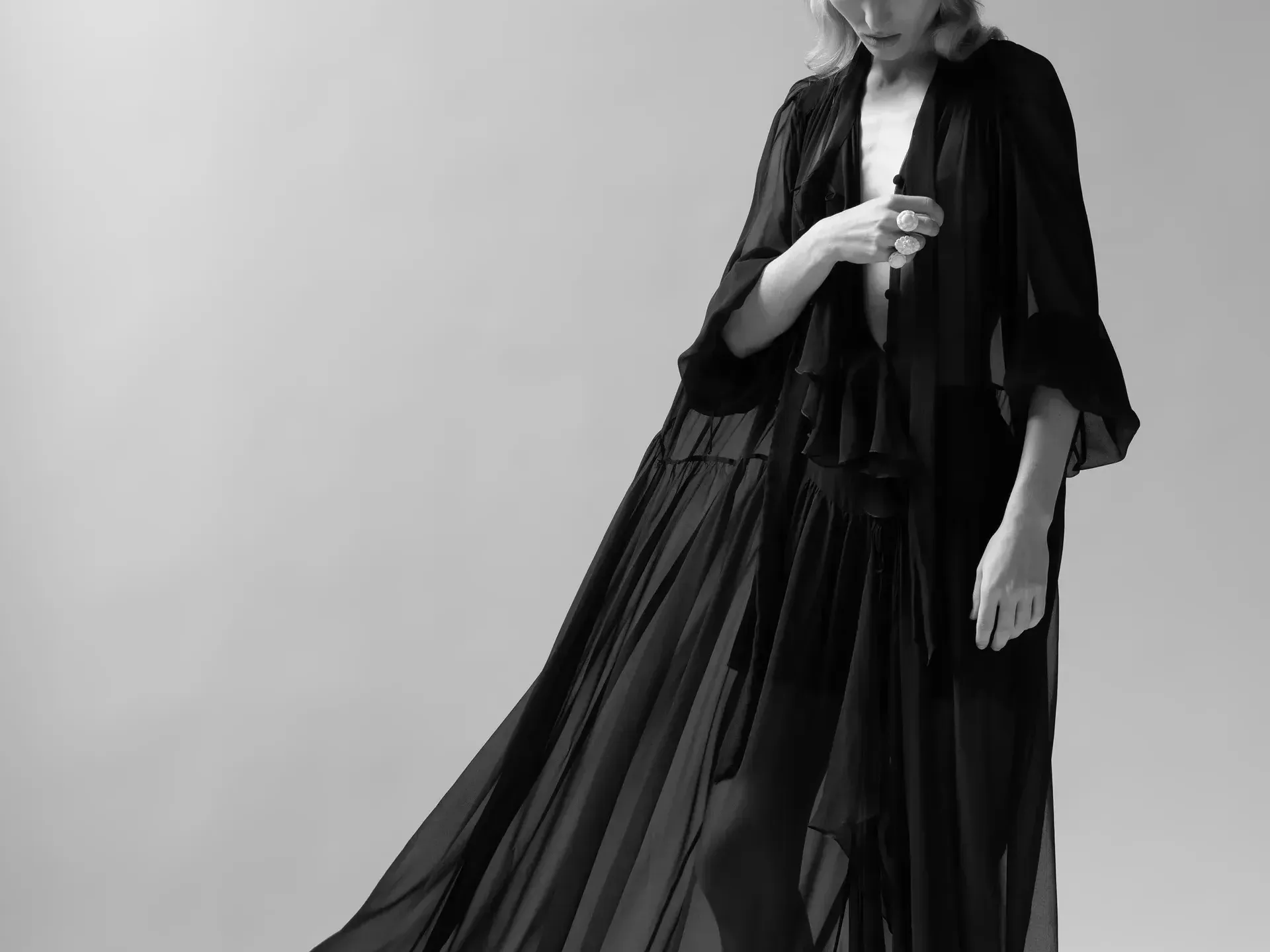
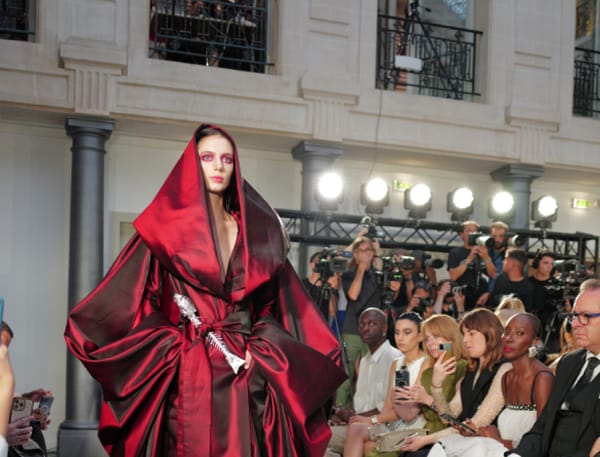
Sharon Wauchob’s renewed visibility is less about reinvention than refinement. Fifteen years into her label, the Paris-trained designer continues to explore femininity through contrast: softness paired with authority, fluid fabrics interrupted by assertive silhouettes.
Silk voile dresses, satin skirts, and sharply cut outerwear form wardrobes that move between professional and cultural spaces with ease. Her clothes speak to women who require range — garments that operate across contexts without theatricality.
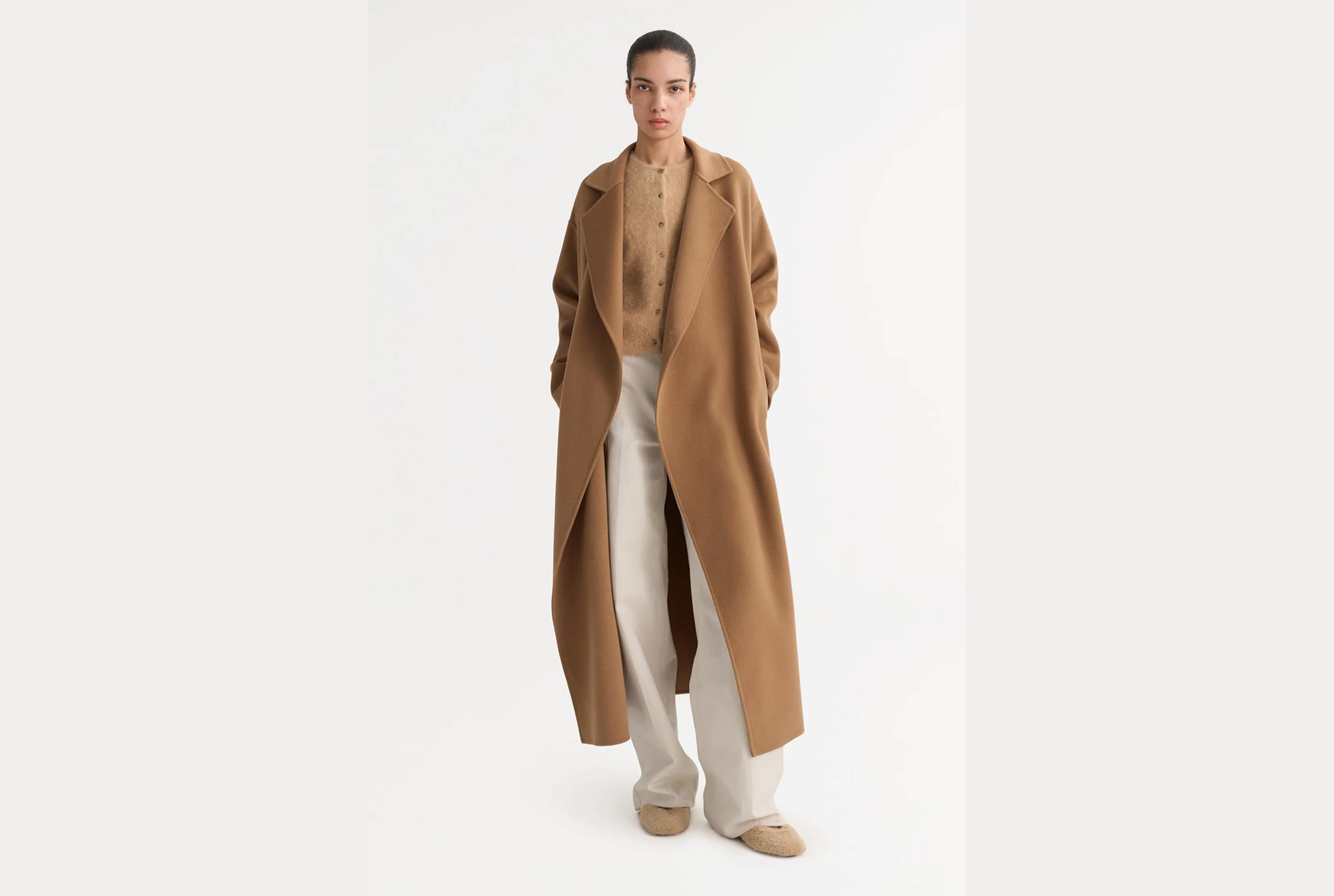
Soft Goat’s appeal lies in its material focus rather than seasonal statements. Built around cashmere sourced with traceability in mind, the brand approaches knitwear as a foundation, not a trend category.
Recent expansion into ready-to-wear — silk blouses, shearling outerwear, fringed skirts — follows the same logic: familiar silhouettes, refined through fabrication rather than embellishment. The result is a wardrobe that integrates quietly rather than announcing itself.
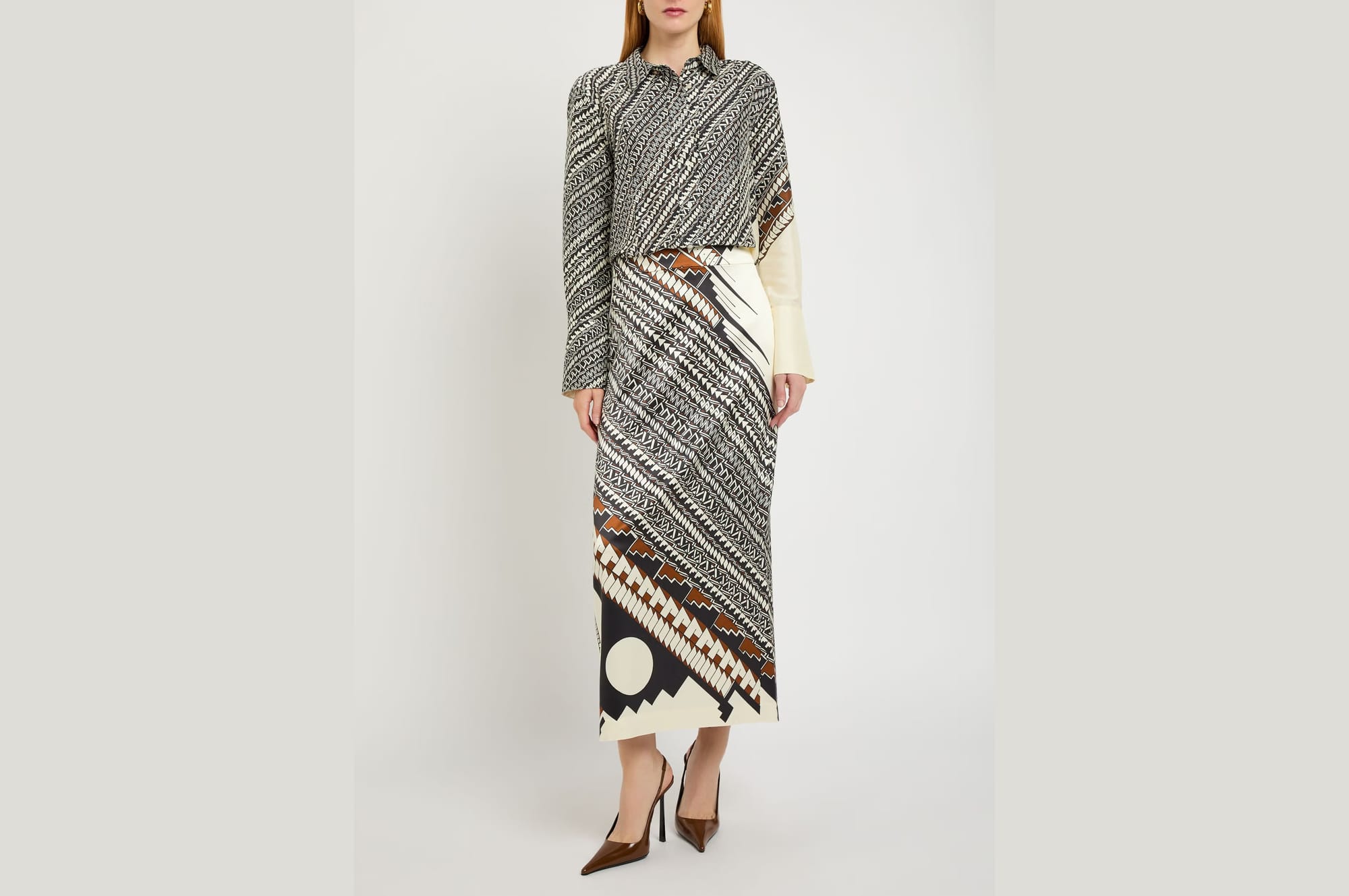
Heirlome positions collaboration as structure, not strategy. Each season, the brand works with artisans from Mexico and Latin America, integrating their visual languages into a consistent, minimal framework.
A silk satin skirt printed with artwork by Mexican artist Alex Jurado exemplifies this approach — cultural specificity embedded into everyday pieces. Recognition from the CFDA/Vogue Fashion Fund and stockists such as Net-A-Porter and Harvey Nichols reflects growing institutional interest in this model.
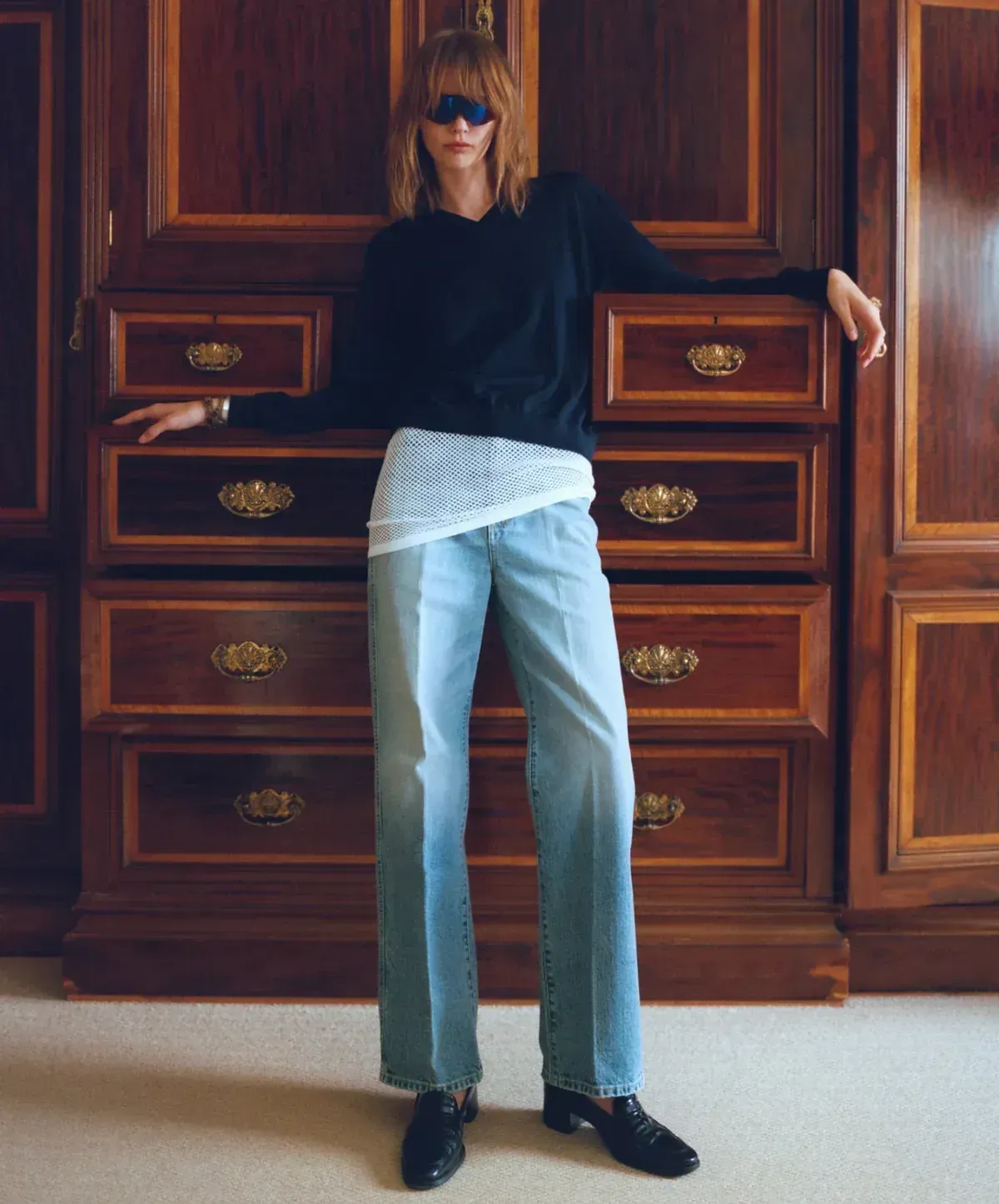
Denim’s environmental cost is well documented; Rùadh addresses it through operational restraint rather than claims. The B-Corp certified label produces in small batches, maintains full material traceability, and publishes its own sustainability reporting.
Design-wise, the jeans are intentionally understated. Styles like “The Quinn” prioritise longevity, softening with wear rather than deteriorating. A take-back and upcycling programme further reinforces the brand’s circular logic.
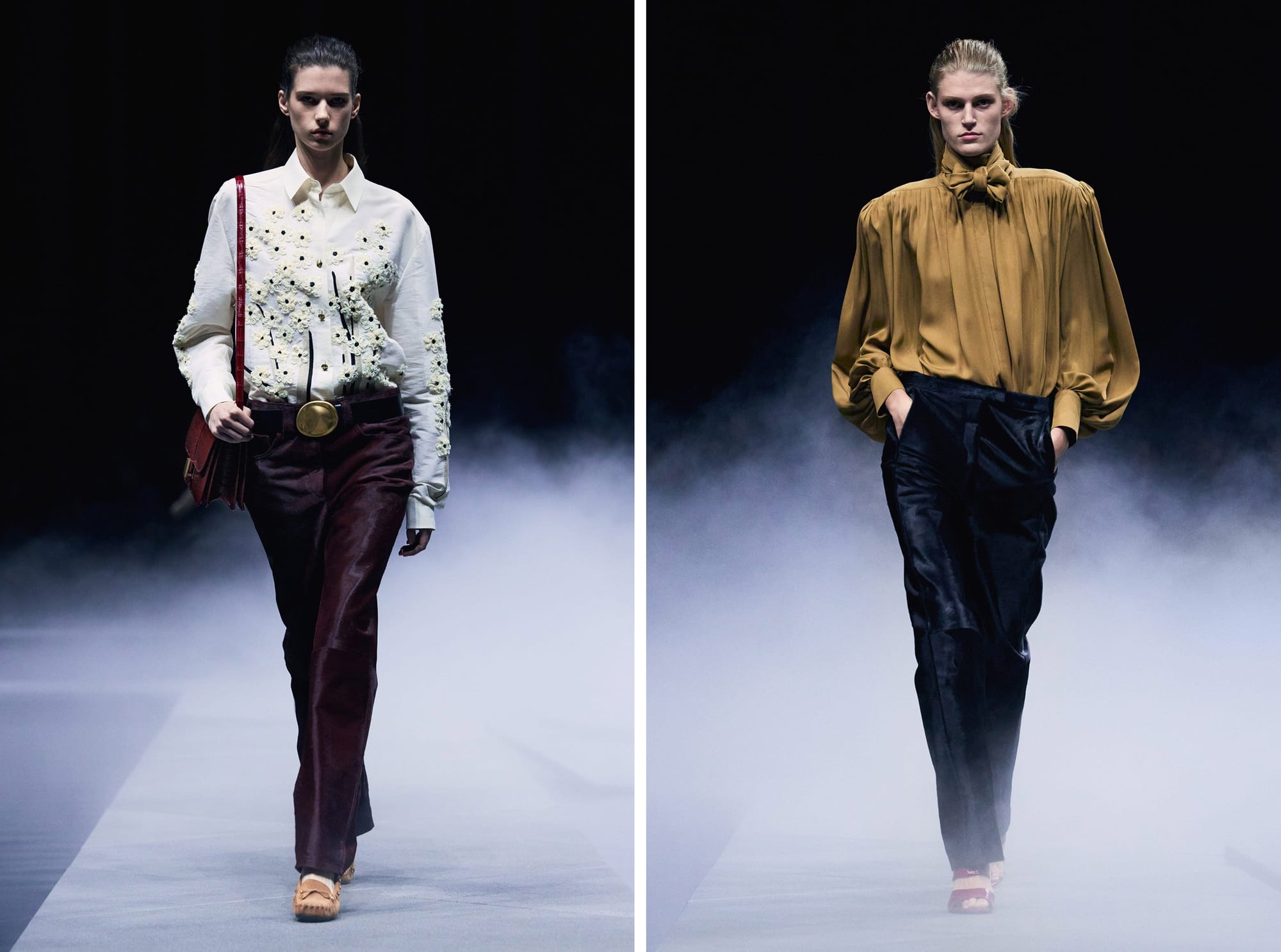
Khaite continues to refine a distinctly American interpretation of femininity — precise, controlled, and grounded in wearability. The brand’s strength lies in its ability to balance structure with ease: sharp tailoring offset by fluid knits and softened proportions.
Rather than chasing seasonal relevance, Khaite builds collections that evolve incrementally, attracting women who value consistency and material intelligence over visual noise.
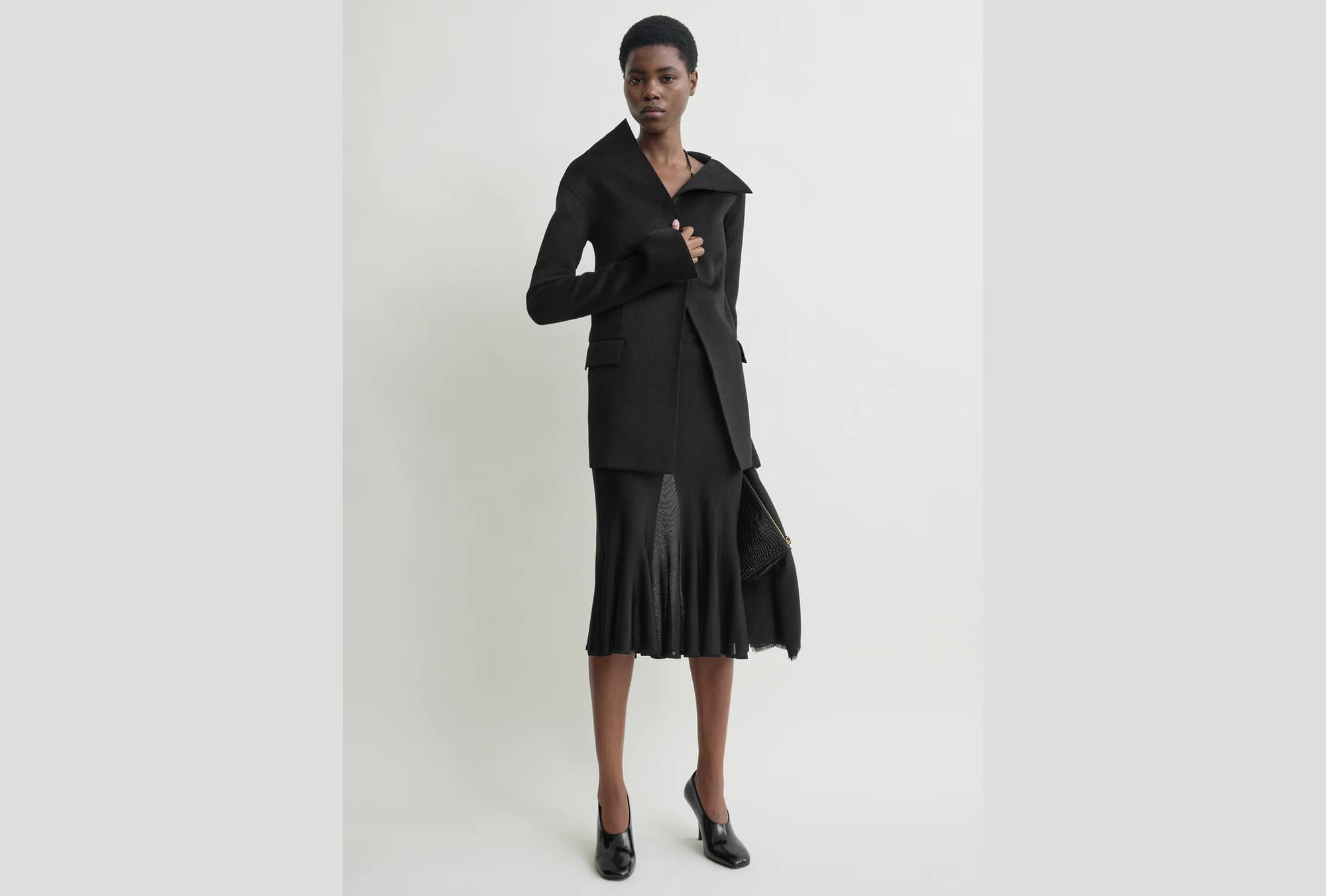
Toteme’s pared-back aesthetic is rooted in repetition and restraint. Silhouettes return season after season with subtle adjustments, encouraging continuity rather than replacement.
The brand’s approach resonates with a global audience seeking a functional wardrobe system — one where each piece relates to the next. In an industry driven by excess, Toteme’s discipline feels increasingly current.