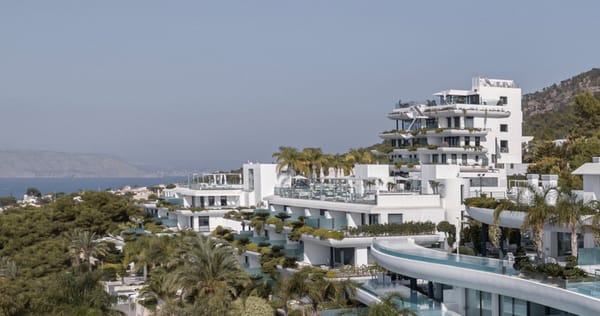
Top Wellness Travel Trends for 2026
– 7 min read

What’s Shaping the Future of Health-Focused Travel
Wellness travel in 2026 is defined less by retreat formats and more by regulation. As conversations around burnout, hormonal balance and cognitive overload become part of daily language, travel has shifted from discretionary downtime to functional recalibration. The emphasis is no longer on where one goes, but on what the stay is designed to do.
This shift is visible across booking behaviour. According to industry data frequently cited by the luxury travel sector, the majority of high-spending travellers now assess wellness provision as a primary criterion, alongside privacy, environment and length of stay. The implication is structural: wellness is no longer an add-on to leisure travel, but a planning framework that shapes destination choice, programme design and duration.
Below, the wellness travel trends most likely to shape 2026.
Sound-based therapies have moved decisively from alternative spaces into established spa and hotel programming. Floating sound baths, gong meditations and frequency-led treatments now appear alongside massage and hydrotherapy, positioned as non-invasive tools for nervous system downregulation.

Industry research from Professional Beauty indicates a steady rise in demand for sound therapy within spa environments, largely due to its accessibility and immediate physiological impact. Practitioner Nancy Trueman notes that clients often respond to sound work with a level of rest that conventional treatments do not consistently deliver.
Rather than being framed as a spiritual experience, sound is increasingly integrated as a functional modality - used to support sleep, emotional regulation and recovery within structured wellness programmes.
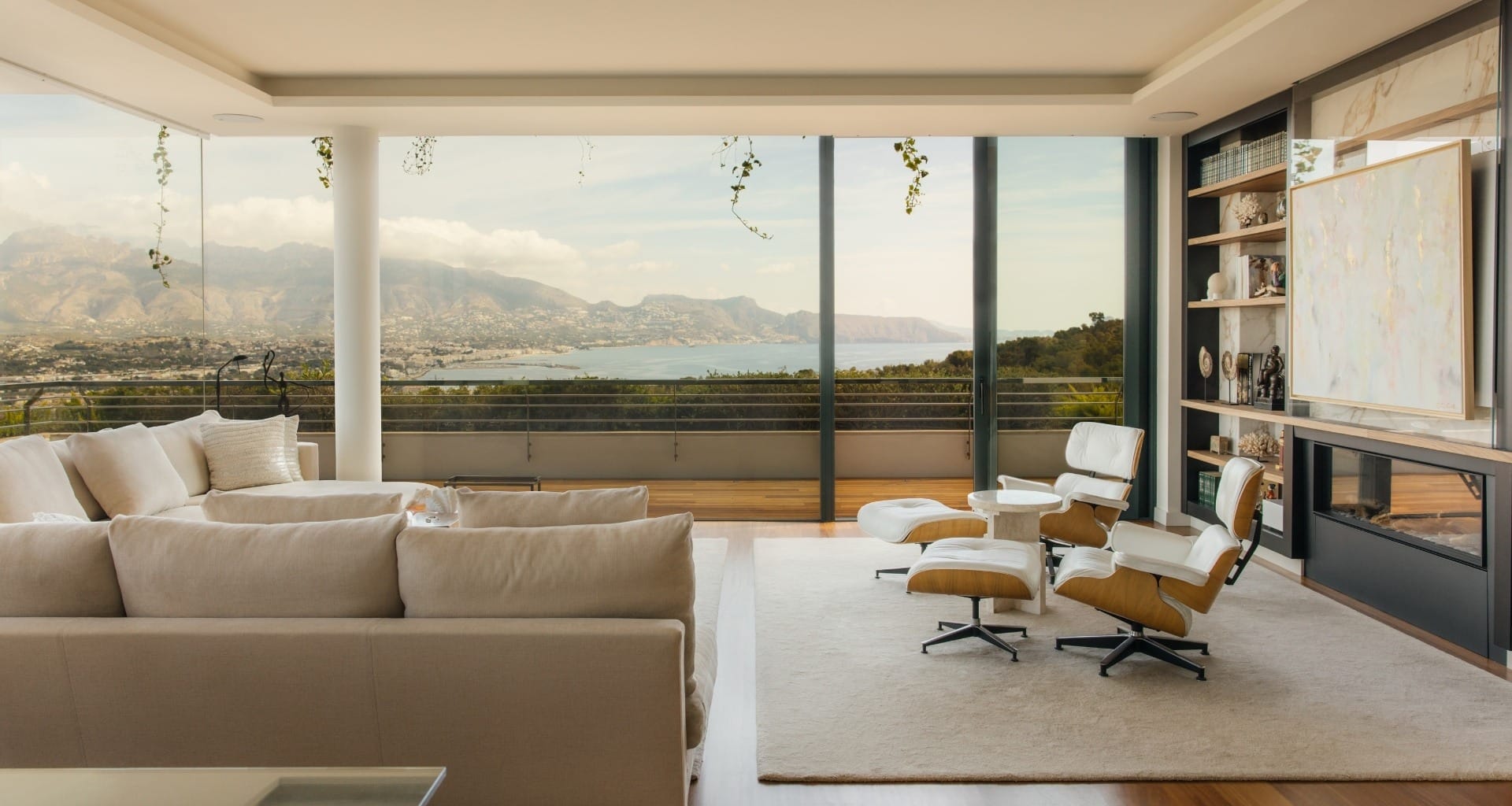
Wellness retreats are beginning to treat architecture and light exposure as active therapeutic tools rather than passive design elements. Properties are collaborating with chronobiologists to structure lighting, room orientation and daily schedules around circadian rhythm alignment.
Rooms are increasingly designed with programmable light cycles that mimic natural sunrise and sunset, while communal spaces reduce blue light exposure after dusk. The aim is not ambience, but sleep efficiency, hormonal regulation and cognitive recovery, particularly for long-haul travellers.
This trend reflects a shift from sleep “treatments” to sleep environments engineered for biological alignment.
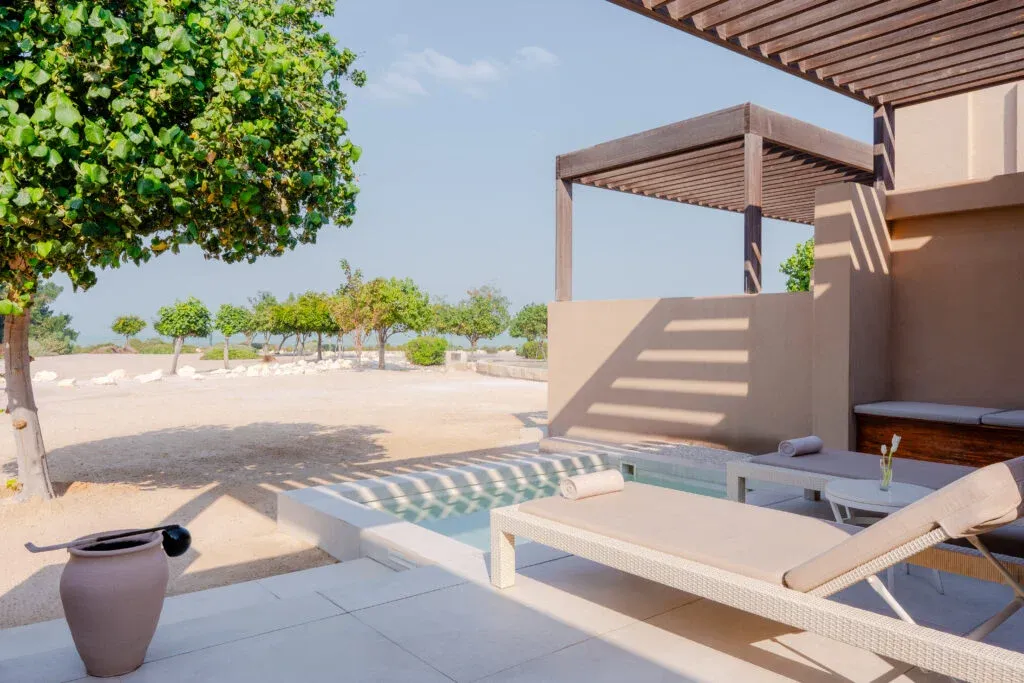
A new layer is emerging between treatment and departure: integration. Advanced wellness properties are introducing structured integration zones where guests process physiological and emotional shifts following intensive therapies.
These spaces may include guided journaling sessions, low-stimulation lounges, facilitated reflection or one-on-one debriefs with practitioners. The purpose is continuity - ensuring that insights and bodily responses are contextualised rather than dissipated.
This marks a move away from treatment-as-event toward treatment-as-process.
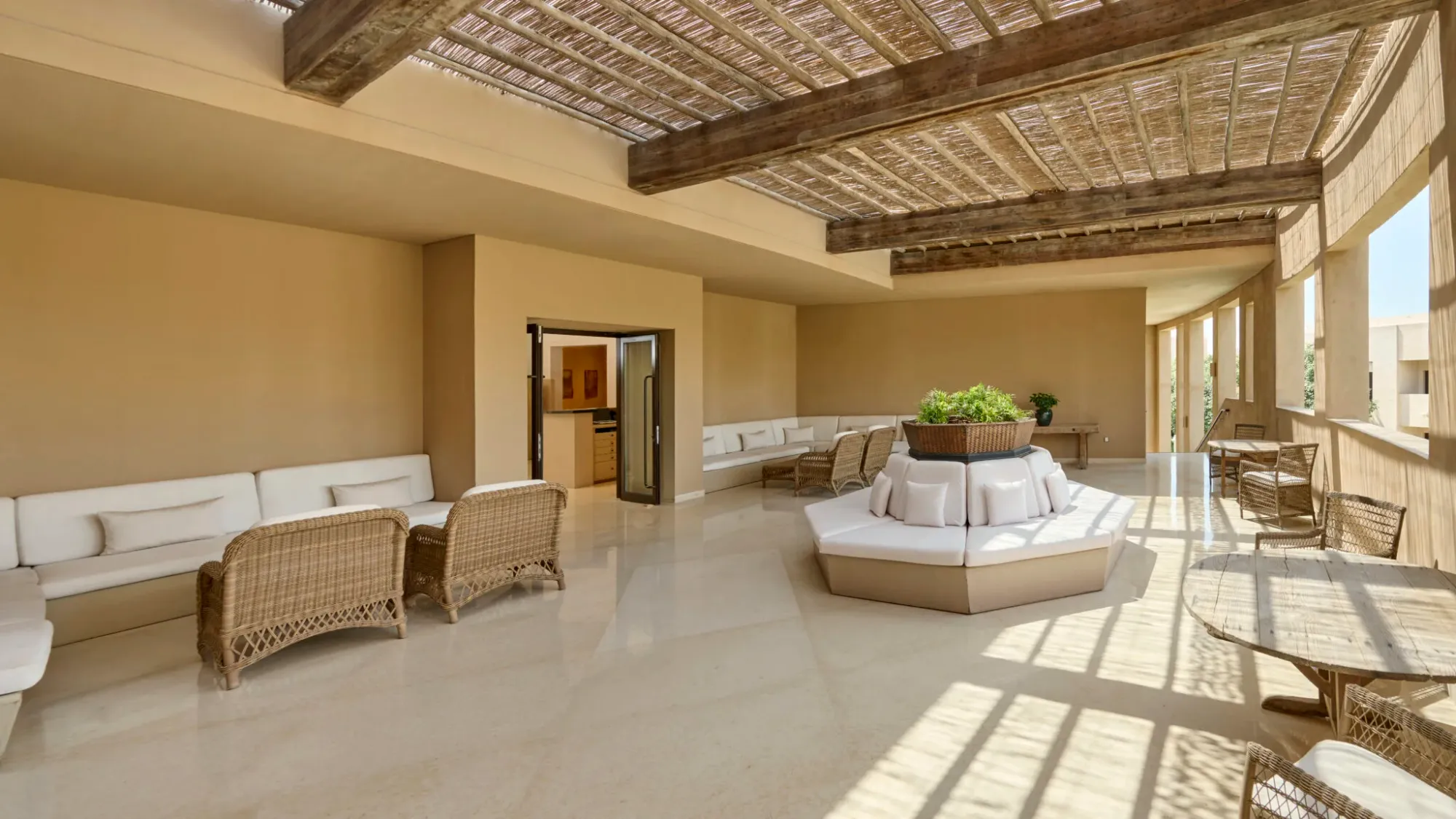
While long-format retreats remain relevant, 2026 sees growth in 48–72 hour micro-retreats designed specifically for cognitive fatigue rather than physical burnout.
These programmes focus on attention restoration, decision fatigue reduction and mental clarity through controlled stimuli, structured silence and simplified daily rhythm. Often hosted near major cities, they reflect demand from executives and founders who cannot disengage for extended periods.
The emphasis is not on transformation, but functional mental reset.
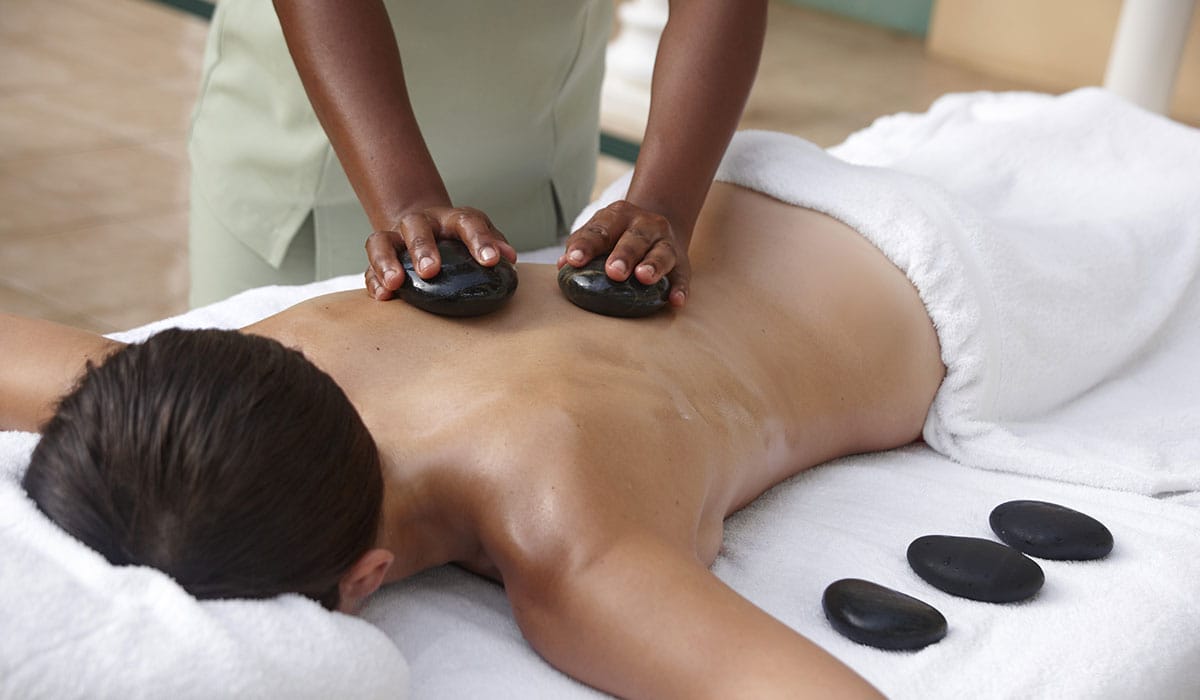
Fascia is moving to the centre of bodywork and movement science. Retreats are beginning to design entire programmes around fascial hydration, elasticity and release, integrating myofascial therapy, slow resistance training and vibration techniques.
Unlike muscle-centric fitness, fascia-focused work addresses posture, chronic pain and nervous system communication, positioning it as a bridge between physical therapy and somatic regulation.
This reflects growing recognition of fascia as a systemic organ, not a secondary structure.
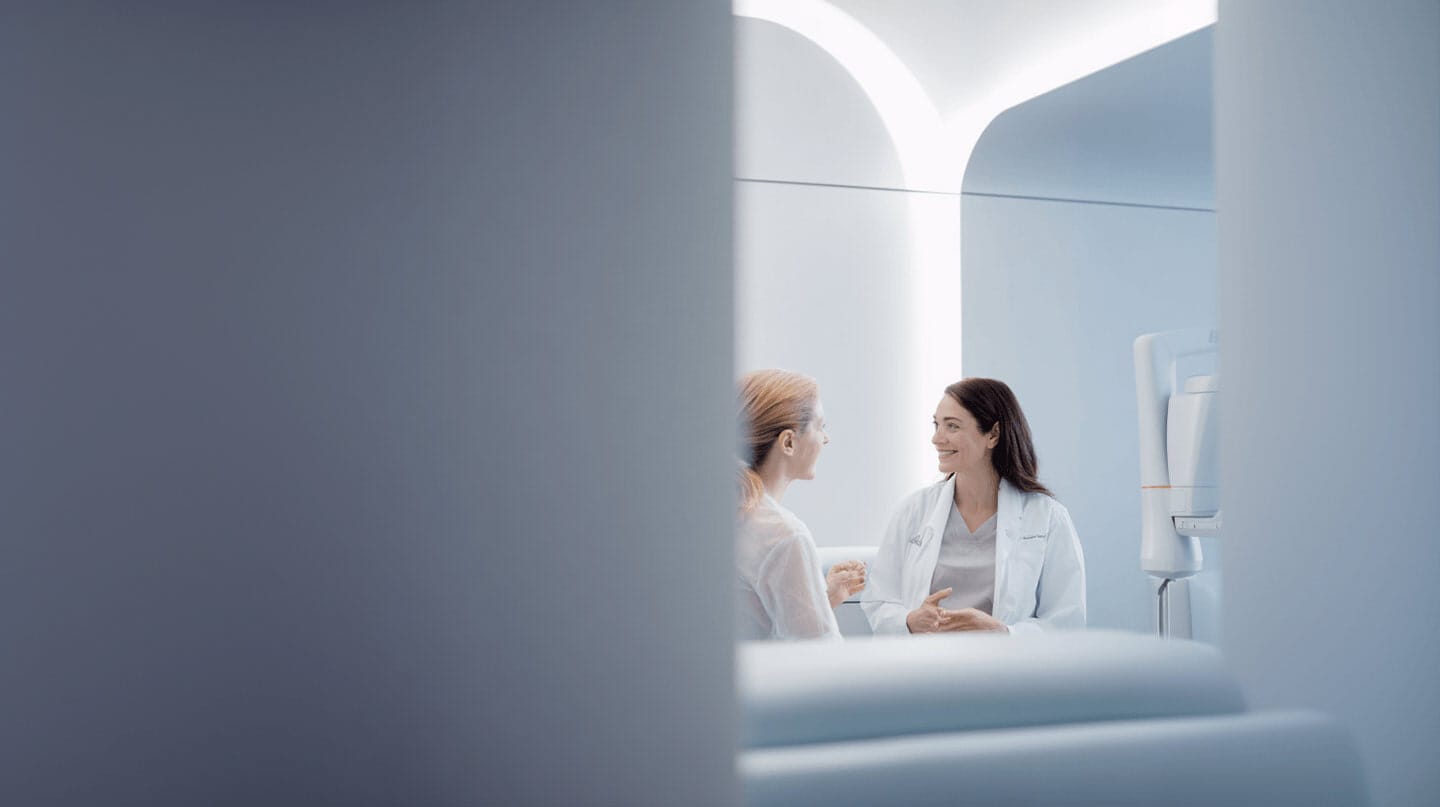
Beyond general hormone health, a new generation of retreats is developing menopause-specific programming, moving away from generic “women’s wellness” positioning.
These programmes integrate endocrinology, sleep science, bone density support, metabolic health and cognitive function, often with medical supervision. Environmental design - temperature control, lighting and recovery spaces - is adapted to menopausal physiology.
The trend responds to a demographic that has historically been underserved by both hospitality and wellness travel.
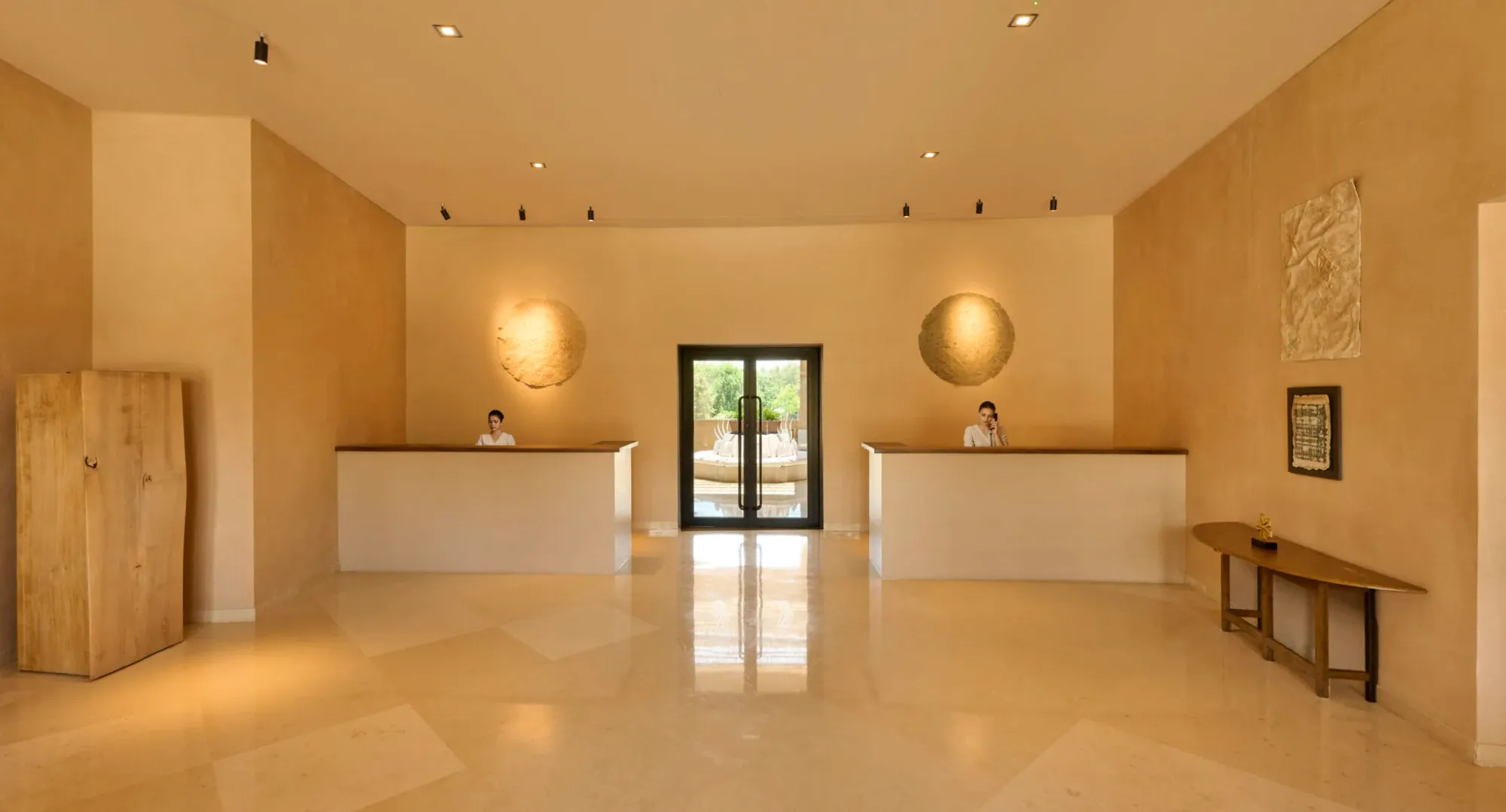
Silence is increasingly treated as a designed resource, not an abstract promise. Some retreats now enforce architectural silence - sound-absorbing materials, device-free zones, and spatial sequencing that minimises auditory disruption.
Rather than scheduled silent hours, silence becomes continuous and structural, supporting nervous system regulation without instruction. This is particularly relevant for guests experiencing sensory overload or chronic stress.

Rather than passively receiving treatments, guests are being trained to observe and regulate their own physiological states through biofeedback tools measuring heart rate variability, breath patterns and stress markers.
Short daily sessions teach guests how to interpret signals and adjust behaviour in real time. The focus is education over dependency, reinforcing autonomy rather than repeat treatment reliance.
This aligns with a broader shift toward self-efficacy in wellness travel.
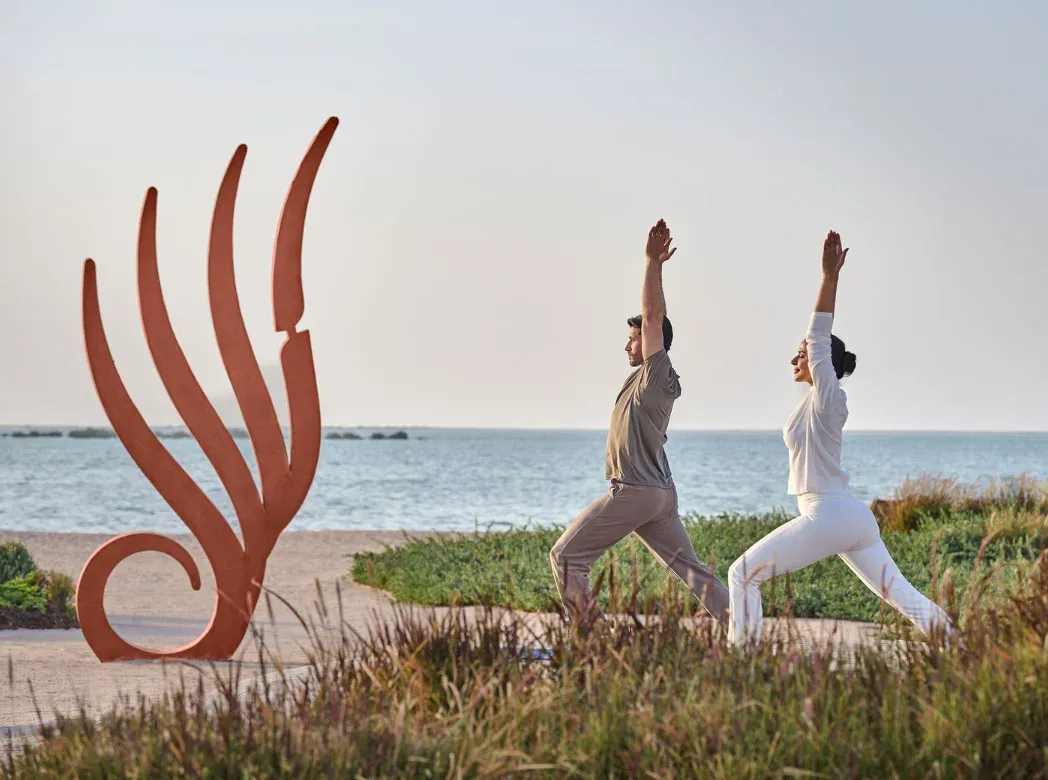
In the newest wellness programmes, nature is no longer presented as scenery but as a prescribed therapeutic input. Exposure is structured: altitude variation, forest density, proximity to water, and temperature shifts are deliberately selected based on desired physiological response.
This approach borrows from environmental medicine, positioning landscapes as active participants in regulation and recovery.
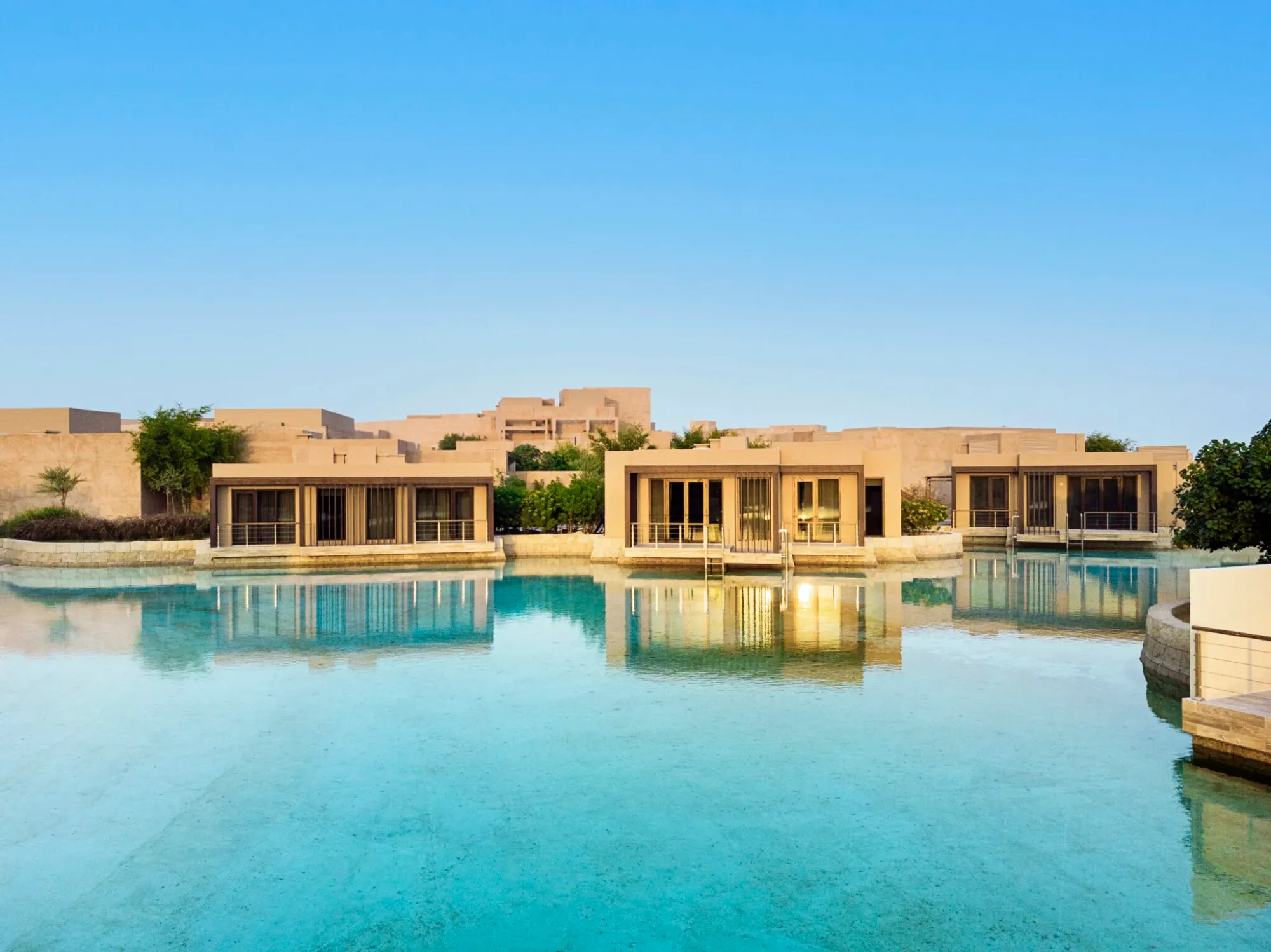
Wellness travel in 2026 is no longer designed exclusively for the individual adult traveller. Family-oriented programmes now incorporate emotional regulation, nutrition education and sensory engagement for children and teenagers, reflecting a broader understanding that wellbeing practices are more sustainable when shared.
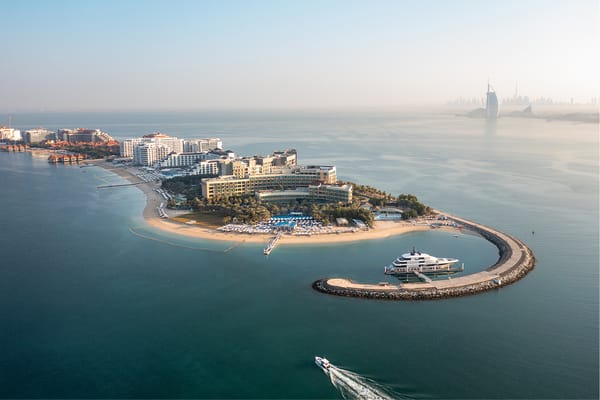
At Zulal Wellness Resort by Chiva-Som, this approach is embedded through parallel programming: adults follow therapeutic pathways while younger guests participate in age-appropriate movement, creative and mindfulness activities. The model allows families to align rhythms without collapsing the experience into compromise.
The emphasis is not on distraction or entertainment, but on habit formation - introducing practical tools that can be carried into everyday life.
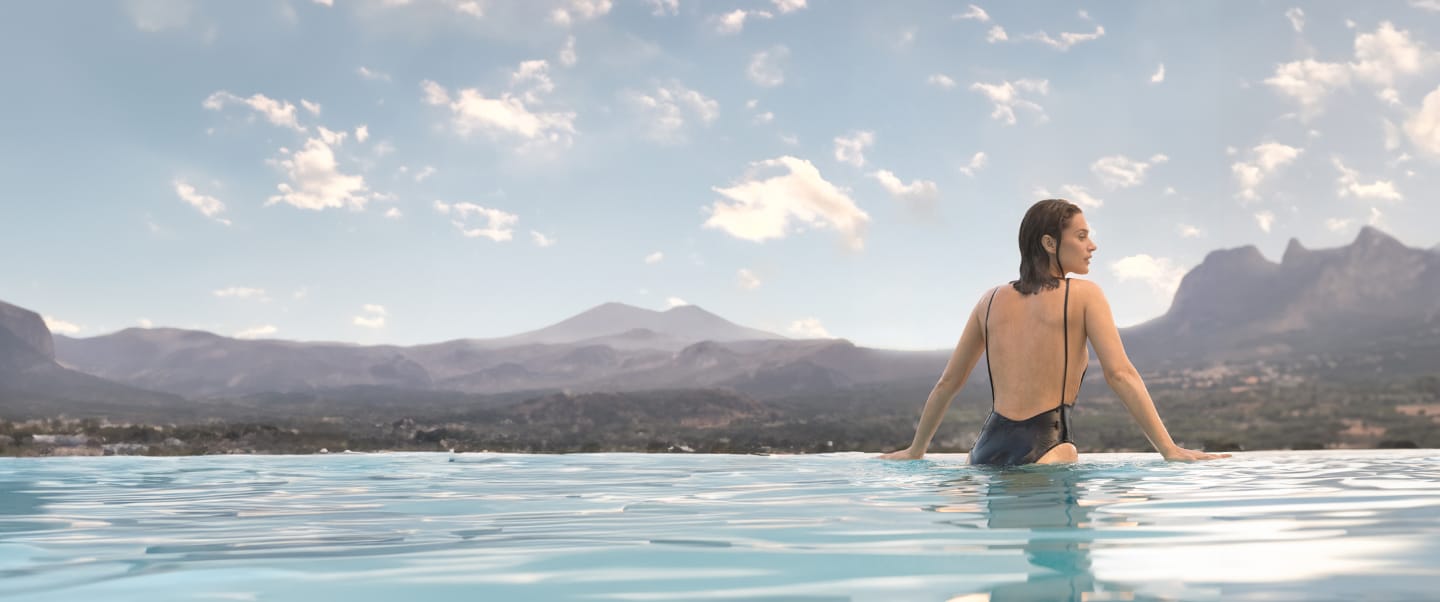
Hormonal balance has emerged as one of the most significant drivers of wellness travel demand, particularly among women. As discussions around menopause, fertility and long-term vitality gain visibility, retreats are responding with diagnostic-led, whole-body programmes rather than isolated treatments.
The Global Wellness Institute identifies women as one of the fastest-growing demographics in wellness tourism, prompting destinations to adapt accordingly. At SHA Wellness Clinic, hormonal health is addressed through personalised diagnostics, nutrition and lifestyle planning, while Six Senses Ibiza integrates sleep science, stress management and longevity protocols across all age groups.
The focus is no longer on short-term correction, but on longitudinal support, recognising hormonal balance as an ecosystem shaped by rest, movement, stress exposure and environment.
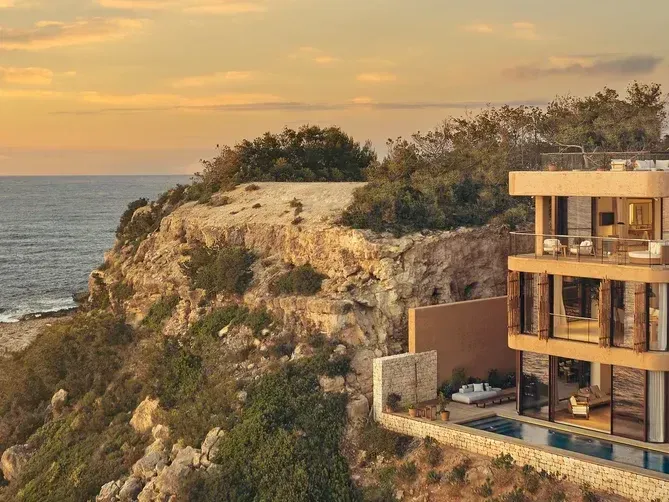
Where relaxation once defined wellness travel, resilience has become the new metric. Programmes increasingly centre on nervous system regulation, responding to chronic stress and sensory overload rather than episodic fatigue.
This has driven renewed interest in remote, low-stimulus environments - from Patagonia and Kenya to Nepal and Sri Lanka - where scale, silence and natural rhythm play an active role. These settings are not positioned as escapes, but as conditions that support recalibration.
At Imaret, historical architecture and spatial restraint are paired with breathwork, sound therapy and water-based bodywork, illustrating how context itself becomes therapeutic when carefully curated.
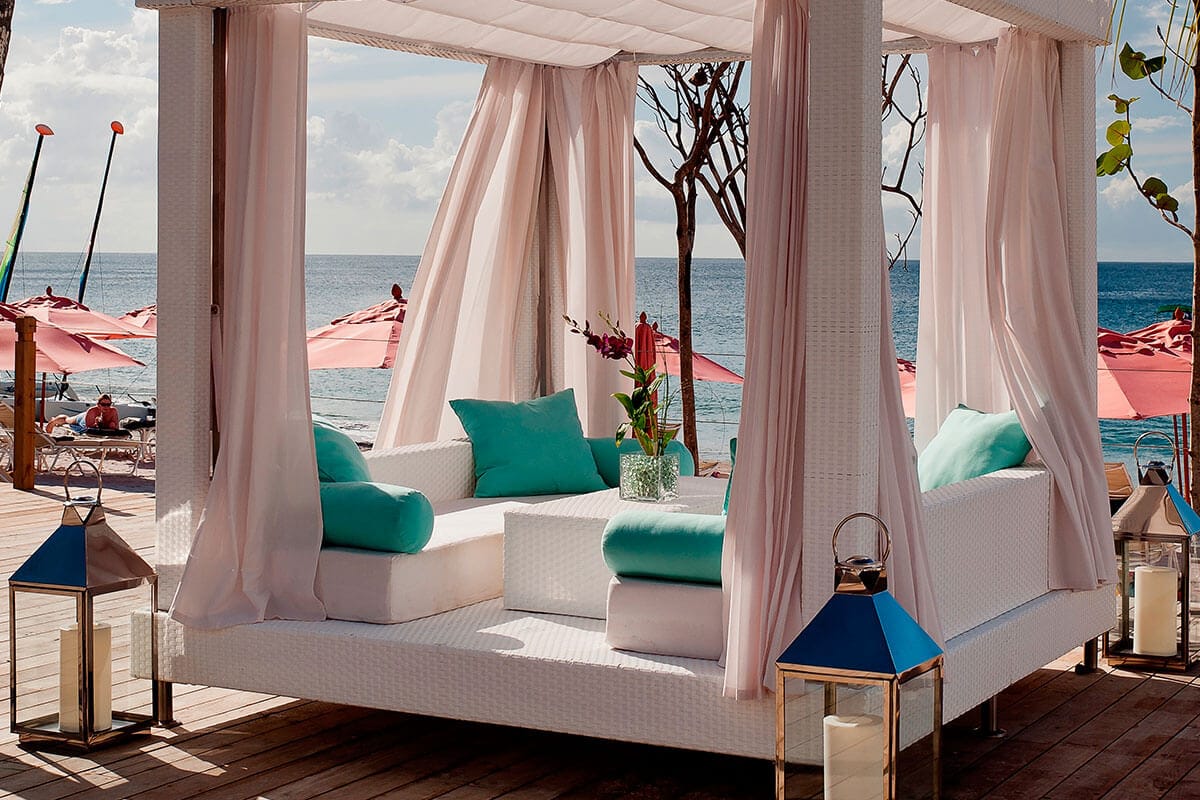
As wellness travel broadens its audience, programmes grounded in personal assessment and education are gaining relevance. The emphasis has shifted from being treated to being understood.
At BodyHoliday, wellness planning combines nutritional guidance, mineral-rich diets and targeted supplementation with movement and rest. Supplements are positioned not as quick interventions, but as part of a wider framework intended to extend beyond the stay.
The value lies in continuity - programmes designed to remain applicable after departure, rather than conclude at check-out.
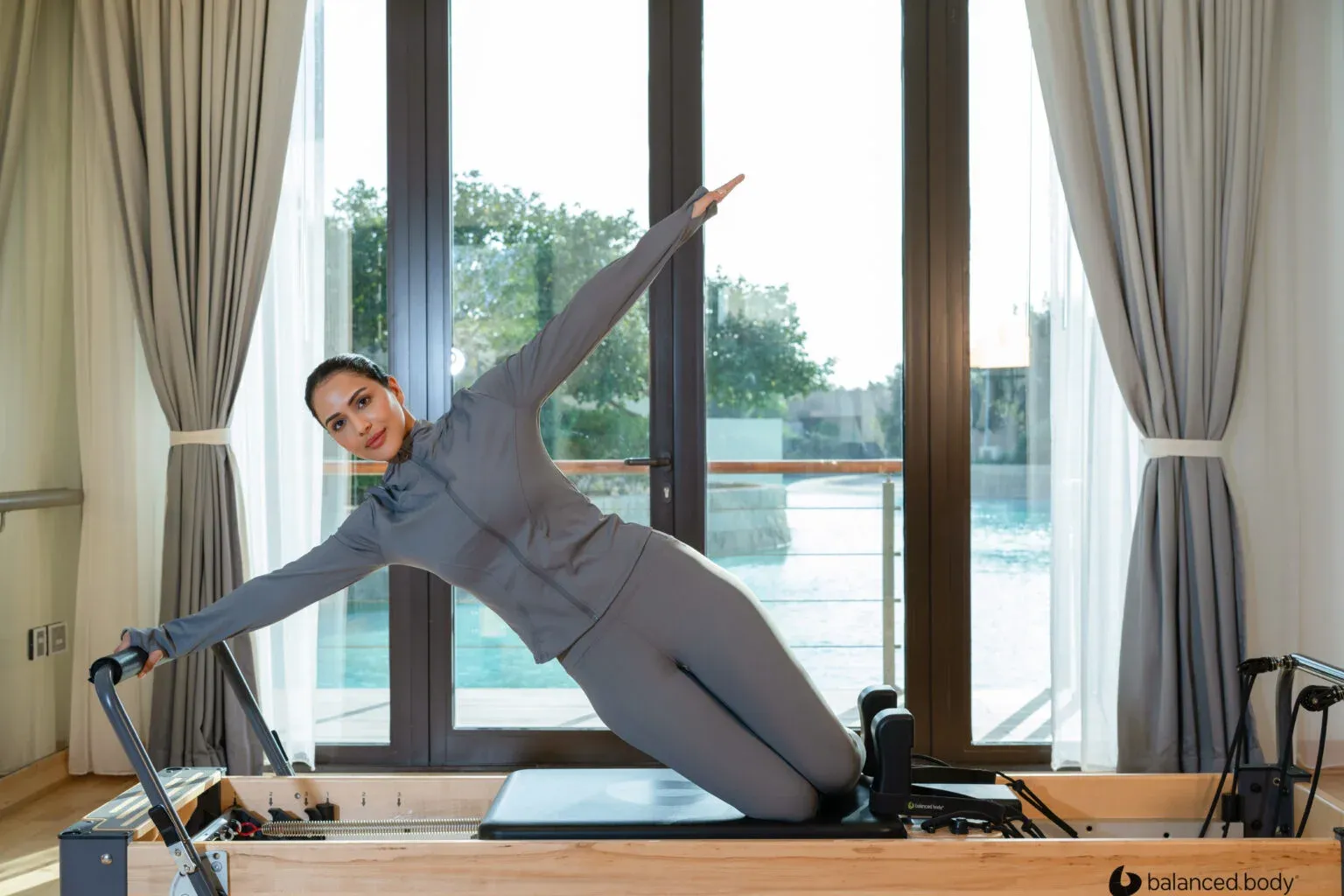
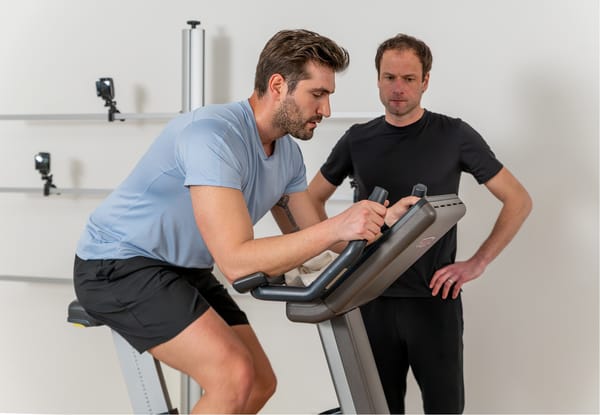
Movement-focused retreats continue to evolve, with Pilates emerging as a central discipline. Structured, technique-driven and measurable, Pilates aligns with a growing preference for results-oriented movement practices.
Sophie Hatton, founder of Reformer Retreats, observes that Pilates-led stays increasingly replace yoga-centric formats. These programmes often combine reformer work with breathwork, restorative therapies and body awareness, appealing to travellers seeking physical recalibration alongside mental focus.
Wellness travel in 2026 reflects a broader cultural adjustment. Rather than offering respite from life, it addresses the conditions created by it. The most relevant destinations are those that provide clarity of method, trained practitioners and environments that support regulation rather than stimulation.
In this context, wellness travel is less about switching off and more about re-establishing balance - to the body, the nervous system and the pace to which travellers intend to return.