The World’s Best Wellness Experiences to Recharge in 2026
– 11 min read

Wellness travel in 2026 is less about “resetting” and more about recalibrating. The most interesting experiences are not confined to a treatment room; they are embedded in landscape, tradition, craft, and the pace of a day. In this edit, wellness appears in multiple forms: a hammam restored to its architectural integrity; a silent walk led by Maasai guides; a coastal bath infused with seaweed; a wilderness trail where the night sky becomes the dominant presence.
These picks share a common thread: they do not perform wellness. They create conditions in which it can happen - through silence, temperature, movement, cultural context, and attentive design.
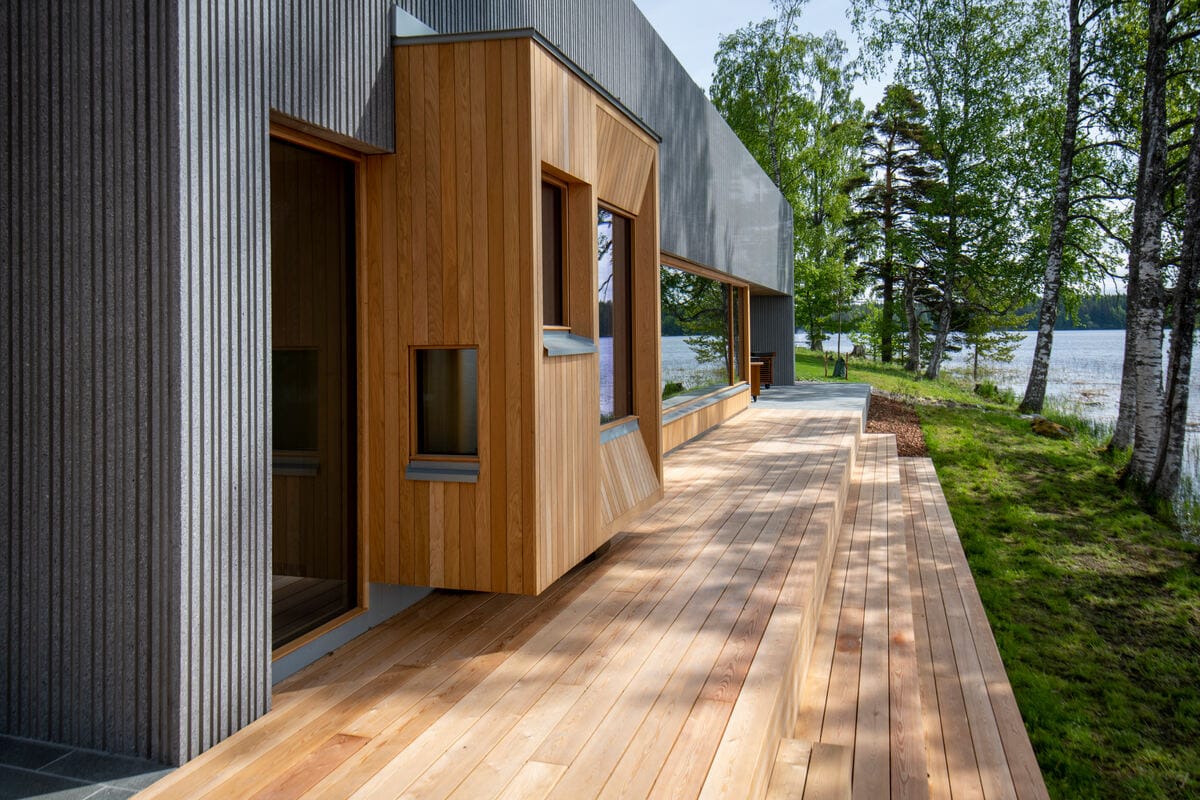
Finnish sauna culture treats heat and cold not as wellness trends, but as everyday regulation. In and around Helsinki, sauna sessions paired with sea plunges offer a clean, non-verbal reset - especially in colder months when contrast therapy is most pronounced.
How to do it: Choose a waterfront sauna with access to open water. Keep sessions short and repeatable; the effect comes through cycles, not endurance.
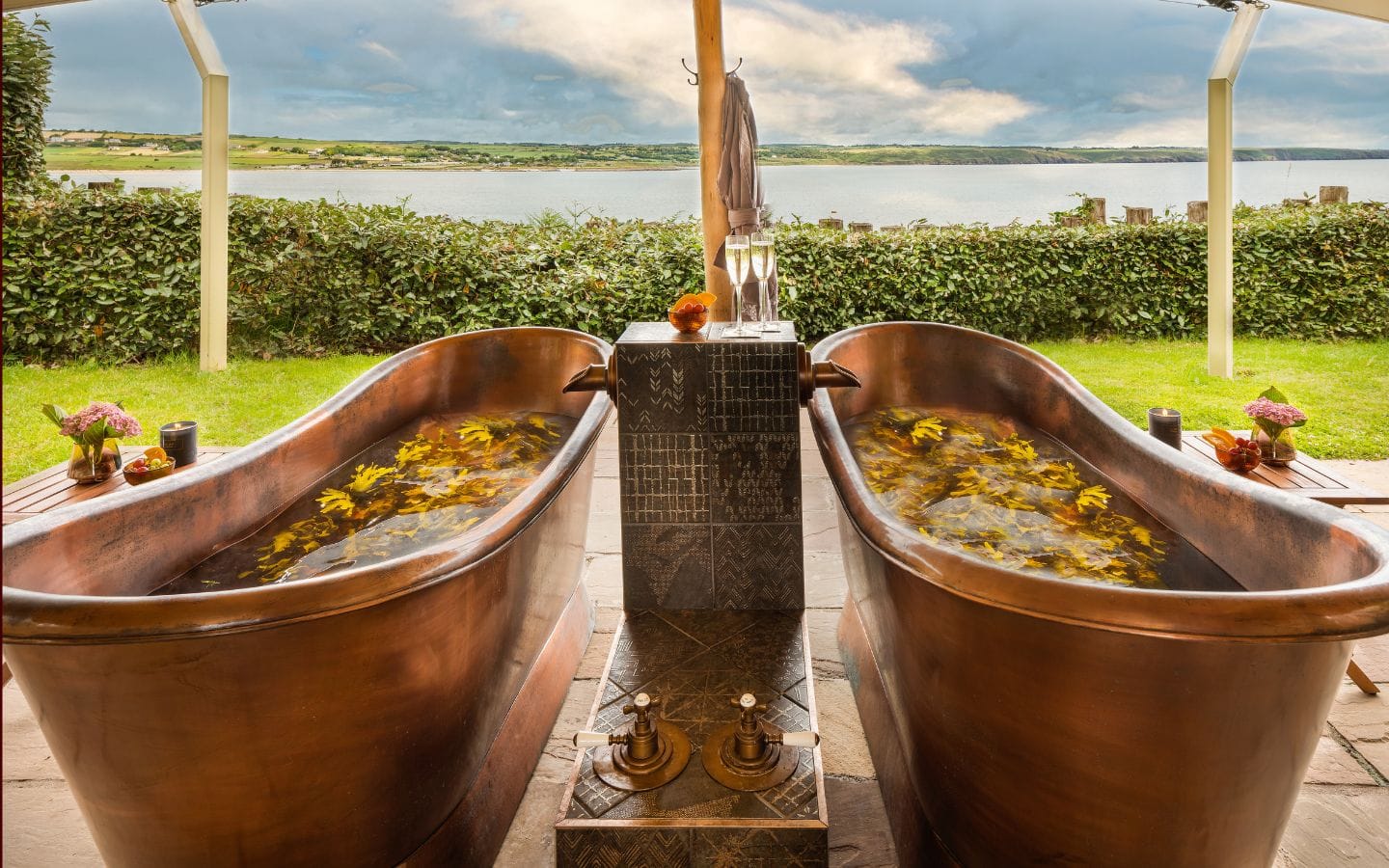
Seaweed bathing in Ireland is not a new trend so much as a practice returning to visibility. Along the coast, seaweed has long been part of daily life - used in agriculture, food, and local remedies. In a bath, it becomes thalassotherapy: mineral-rich water, a briny scent, heat, and the slow release of tension.
The appeal is partly chemical (warm water, minerals, steam), but also sensory: coastal air, the soft shock of temperature changes, and a ritual that does not require explanation to feel complete.
How to do it: Look for established seaweed bathhouses in coastal towns. Many offer outdoor barrels with sea views, while others operate historic indoor facilities with classic tiled rooms. Book ahead during weekends.
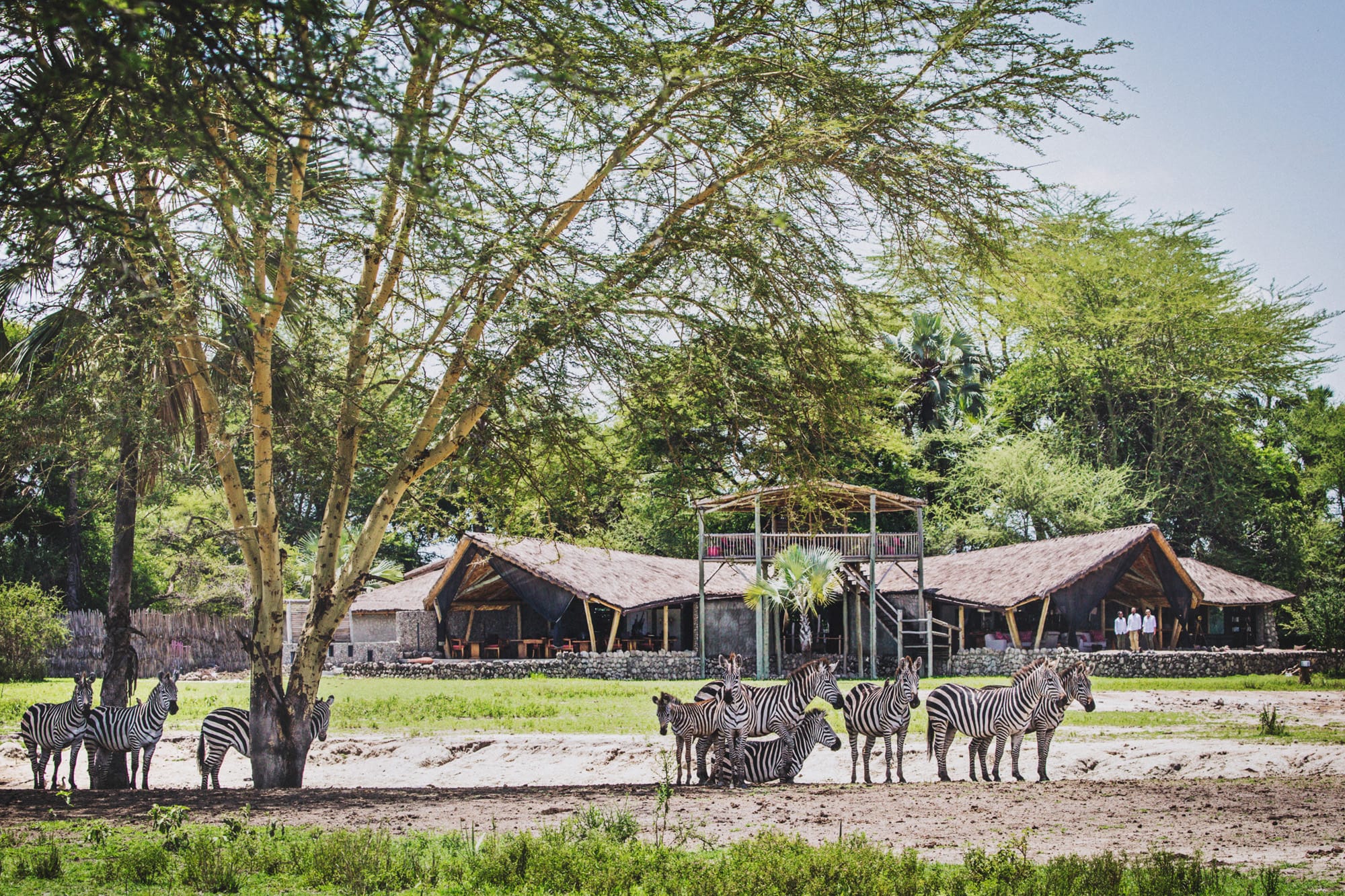
Between Tarangire and Lake Manyara, Chem Chem Lodge offers a form of wellness that begins with attention. One of its most distinctive experiences - silent walks with Maasai guides - removes the usual structure of safari commentary. No narration, no explanation during the walk, no performance for the guest.
The instruction is minimal: walk in single file, keep pace, stay aware, breathe. In predator country, silence has a different weight. The nervous system adjusts to it in real time. Encounters - giraffe, baobabs, the soundscape of insects and birds - arrive with greater intensity because nothing is competing for focus.
How to do it: Silent walks are arranged through the lodge and typically included as part of the stay. Pack footwear suitable for uneven terrain.
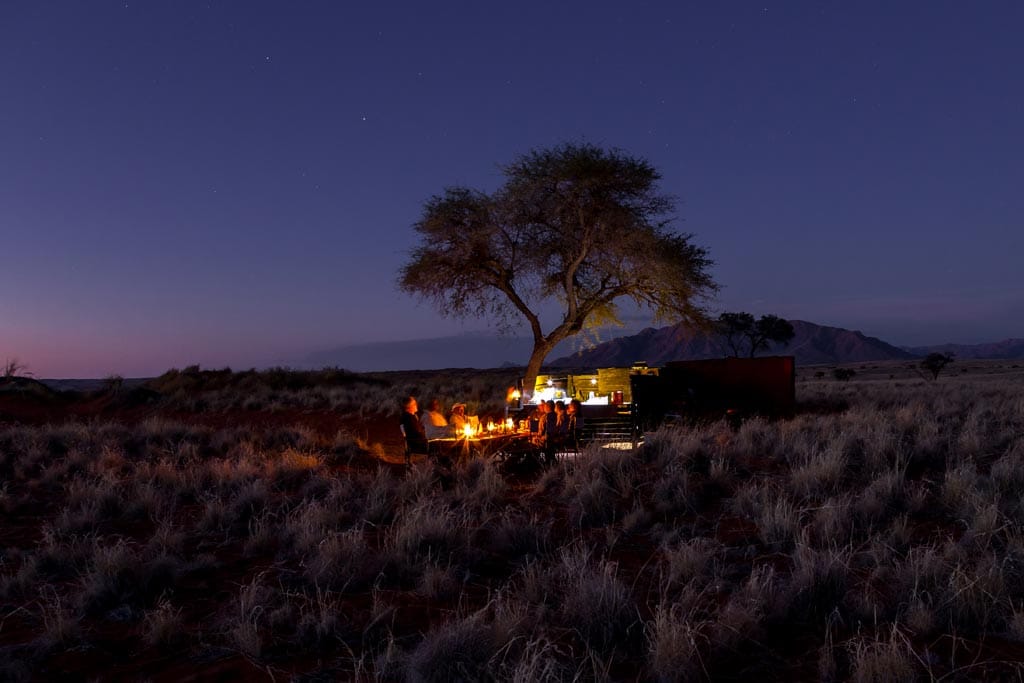
Wellness is rarely discussed in the language of astronomy, yet it may be one of the most effective forms of mental recalibration. Tok Tokkie Trails runs through the NamibRand Nature Reserve, where darkness is protected and silence is not an aesthetic - it is policy and geography.
Days are structured around walking: dunes, desert plains, animal tracks. Nights are where the experience becomes distinctive. You sleep under open sky on a cot, wrapped against desert temperature drops, watching the Milky Way as a physical presence rather than an image.
How to do it: Join a guided multi-day trek to avoid logistical complexity. Bring layers for nighttime cold and accept that comfort here is defined by simplicity, not amenities.
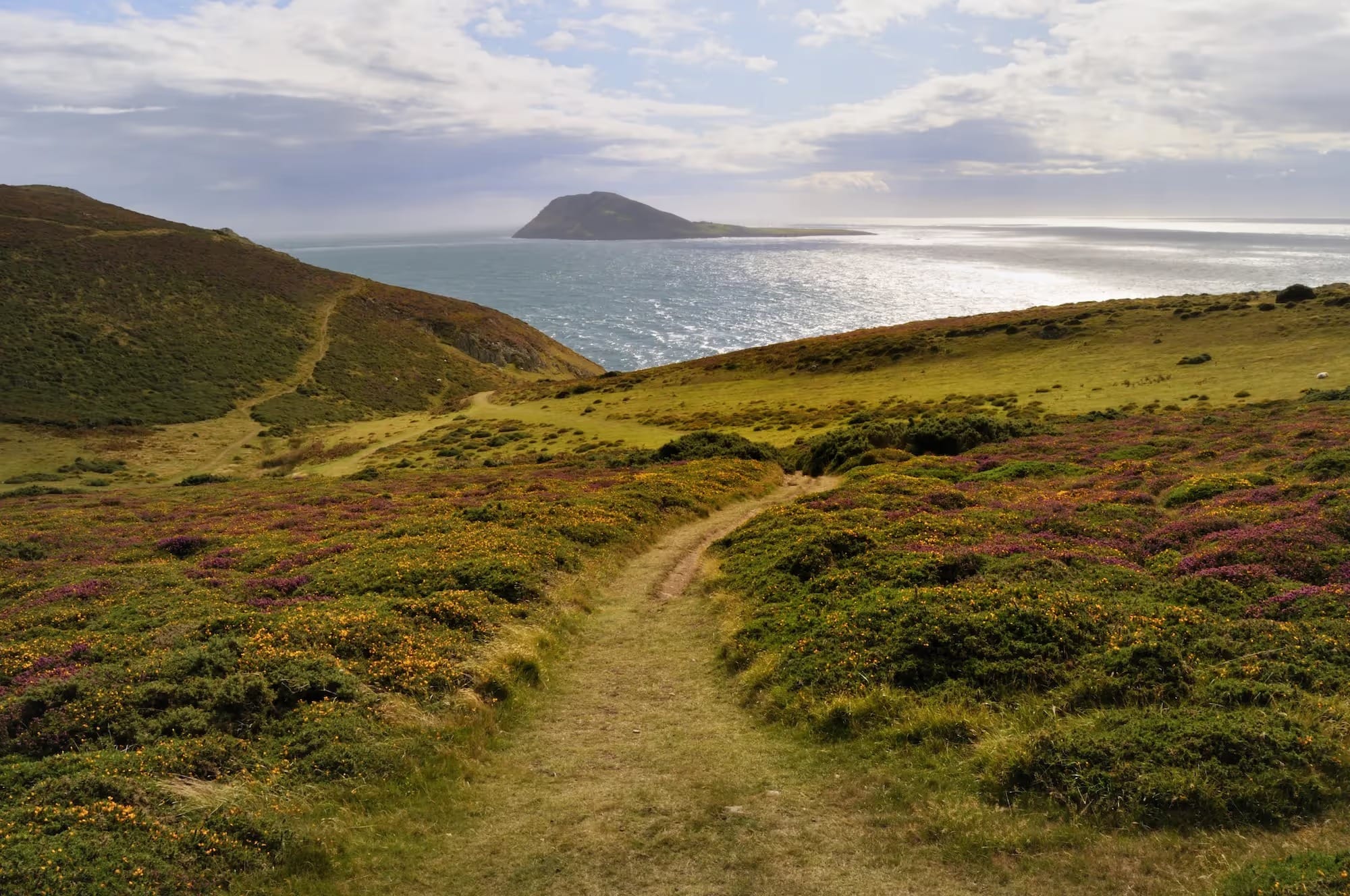
A pilgrimage route is not automatically a wellness experience, but the Pilgrim’s Way in North Wales offers something that modern wellness often forgets: rhythm. The trail runs through coastal and inland landscapes - abbey ruins, old chapels, estuaries, sheep-dotted hills - where the scenery changes without demanding attention.
This is wellness by repetition: the steady pace of walking, the small discipline of each day, and the way time expands when the body is occupied and the mind is not constantly interrupted.
How to do it: Walk the route in sections and use towns like Conwy, Bangor, and Criccieth as bases. The experience works best when you leave space for weather and detours.
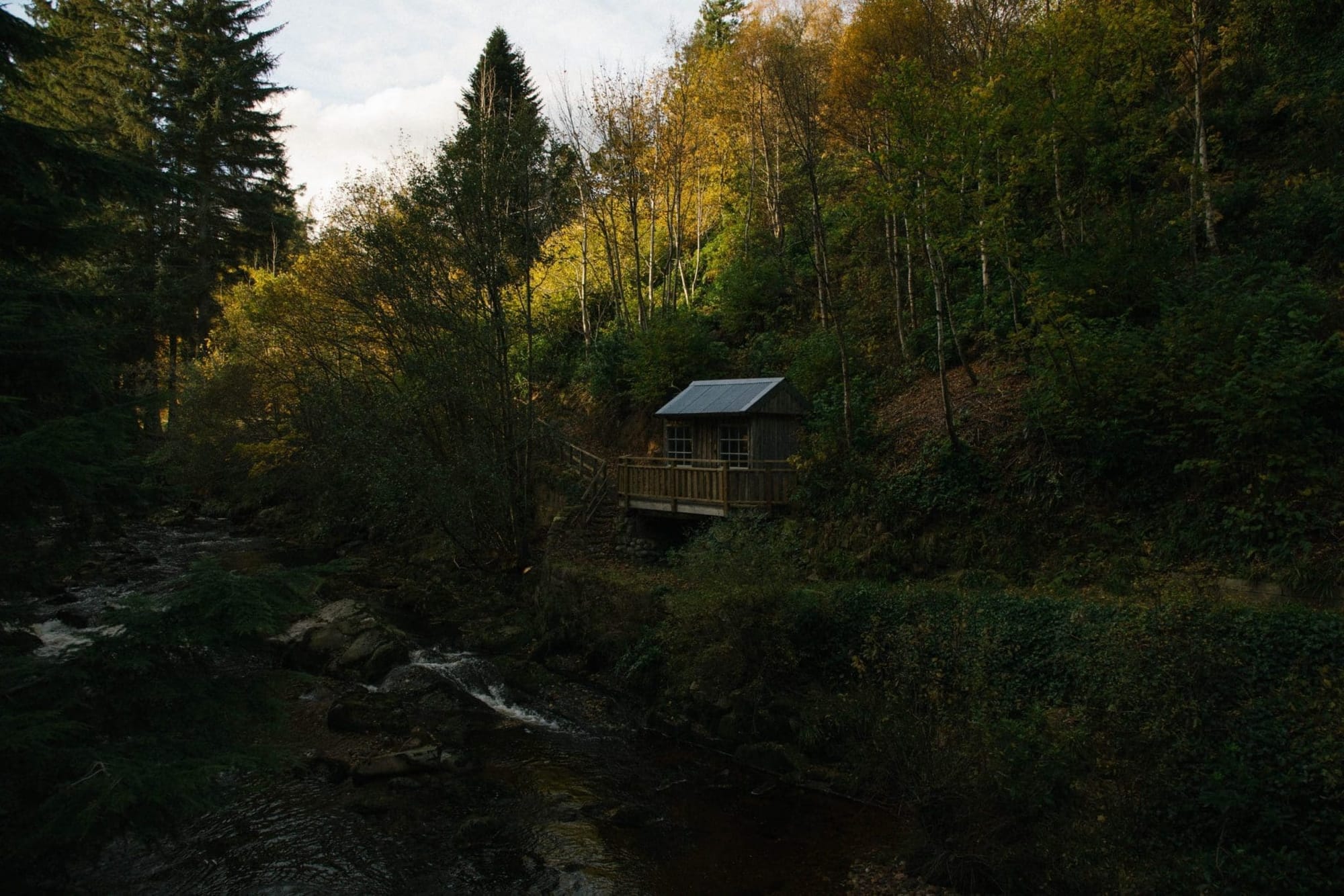
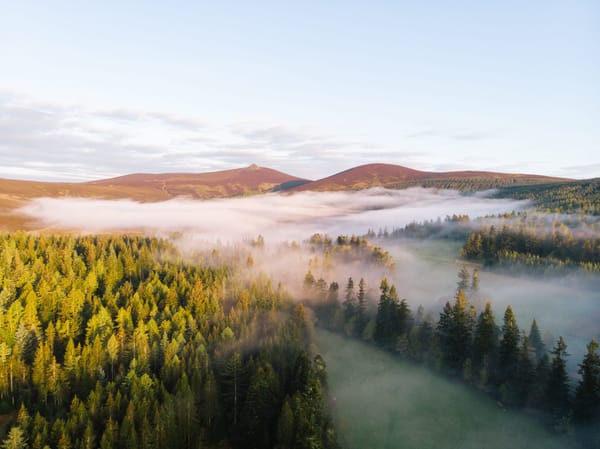
Glen Dye is a Highlands estate that treats wellness as a combination of temperature, terrain, and craft. Sauna and cold-water immersion are part of the offering, but they are framed by the estate itself: woodland air, long walks, river swims, and a strong sense of place.
What makes Glen Dye compelling is its refusal to over-structure the guest. A day can include forest bathing, a hike, a cold plunge, then something unexpectedly precise - like whittling by a fire or an artist-led workshop using natural inks gathered on a meditative walk. The point is not the activity. It is the shift in attention.
How to do it: Book one of the estate’s courses or day sessions through its activity centre, or rent a cottage if you want the experience to unfold over several days.
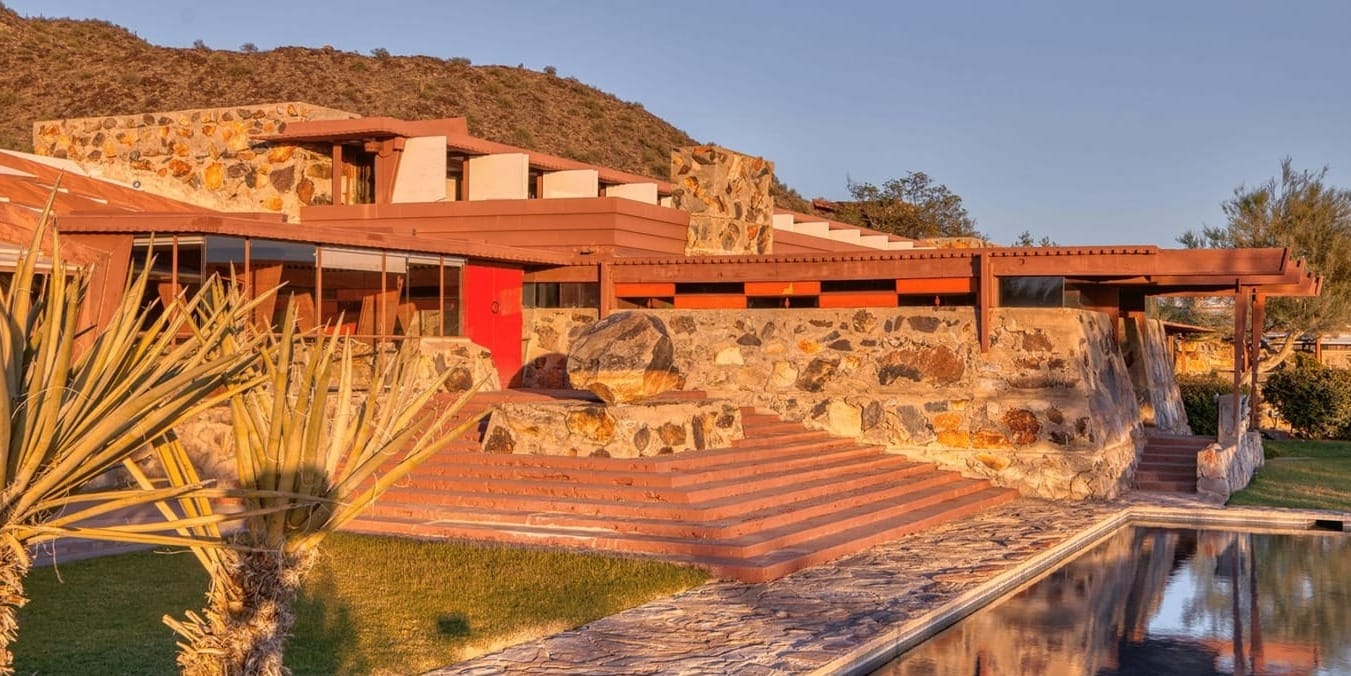
Wellness is often framed through the body. Taliesin frames it through space. Frank Lloyd Wright’s home and studio complex, now a UNESCO World Heritage site, is built around the idea that architecture can shape emotional and physical well-being.
Staying here (often through limited workshops) means waking early in a landscape designed to be observed slowly - valleys, rolling hills, light changing across rooms. Workshops may combine movement, art practices, and contemplative rituals. The effect is subtle: a recalibration toward detail.
How to do it: Reserve workshops early; places are limited. If you prefer a lighter commitment, day tours allow you to experience the architecture without staying overnight.
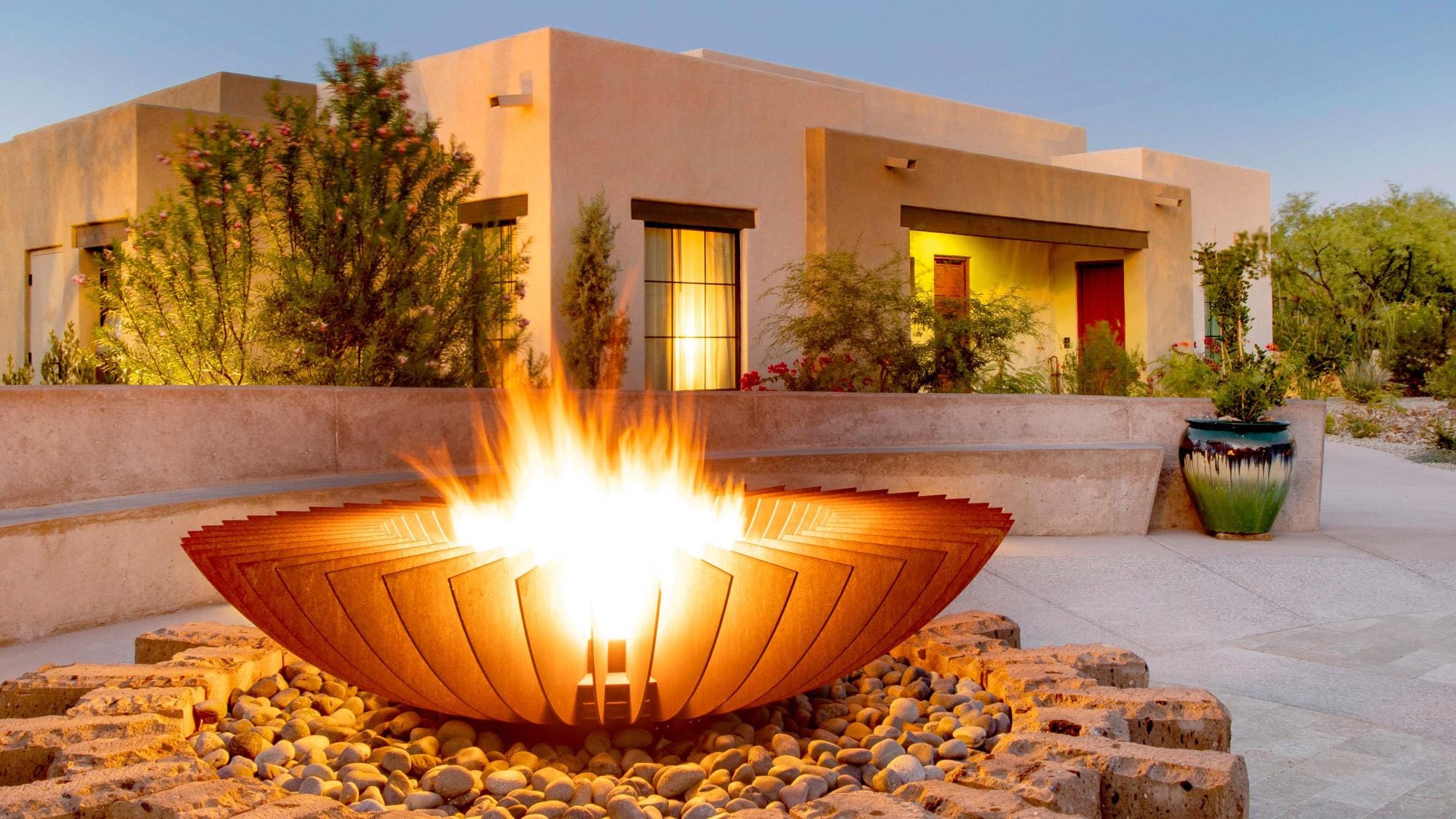
Canyon Ranch reflects the 2026 wellness landscape’s most modern edge: technology-assisted introspection alongside long-standing mind-body traditions. Sessions can include neuro-acoustic sound work, guided visualization, and modalities that translate meditation into structured experiences.
The setting matters - Sonoran Desert light, cacti, wide air, the sense of being physically removed from urban frequency. Even when the tools are modern, the effect depends on environment and pacing.
How to do it: Consider arriving with a clear intention (sleep, stress regulation, recovery) and schedule assessments early in the stay so programming can be tailored.
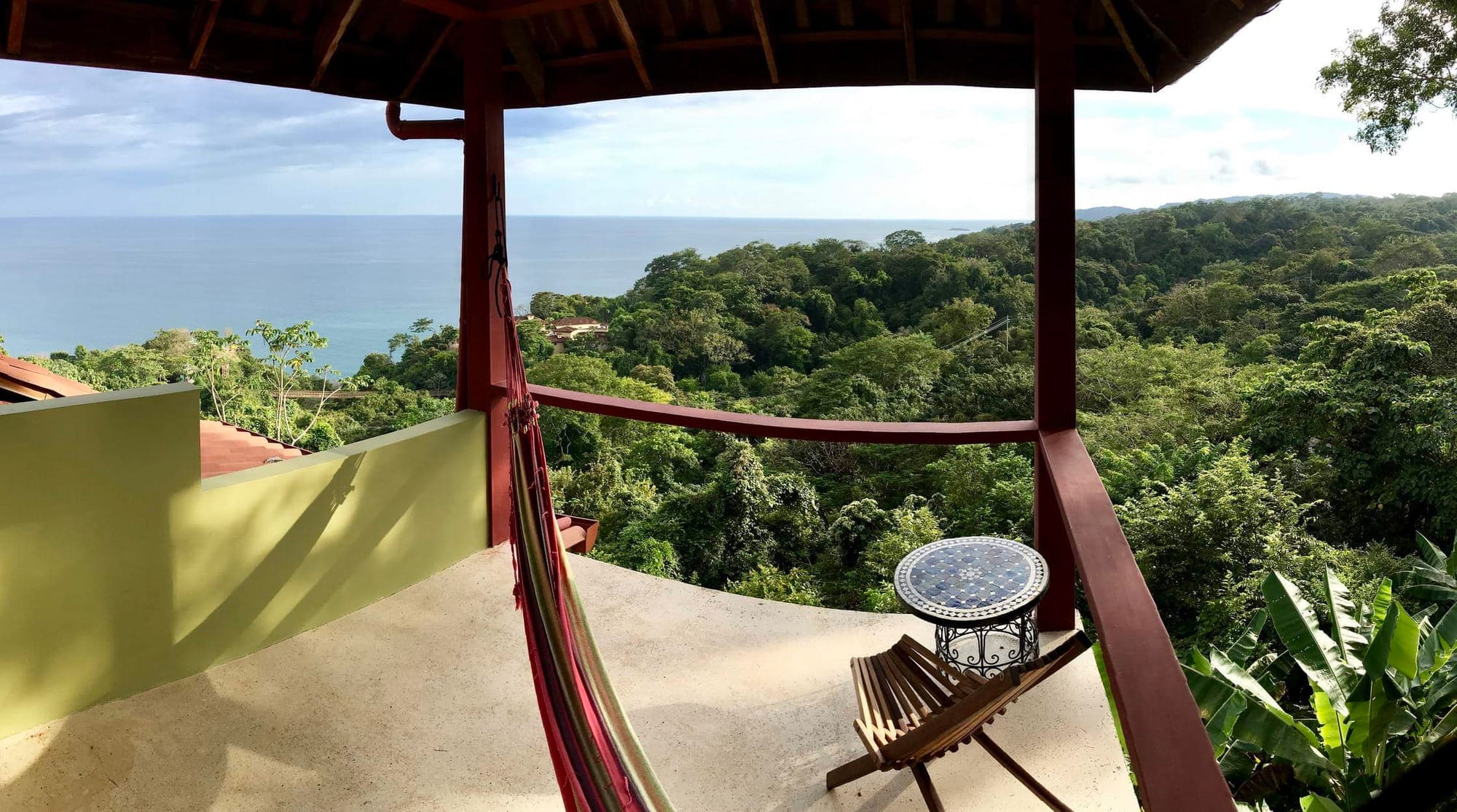
On the Nicoya Peninsula - often associated with longevity narratives - Anamaya combines yoga-based retreat structure with optional modern wellness diagnostics. Days tend to follow a clear rhythm: movement practices, nature access, community meals, and additional sessions (breathwork, sound healing, bodywork) depending on interest.
Its strength is not novelty, but ecosystem convergence - ocean air, rainforest density, and altitude shifts that create a sense of being held by nature rather than entertained by a program.
How to do it: Most retreats run week-to-week. Plan transport carefully, as the journey can be long by road; short domestic flights may simplify arrival.
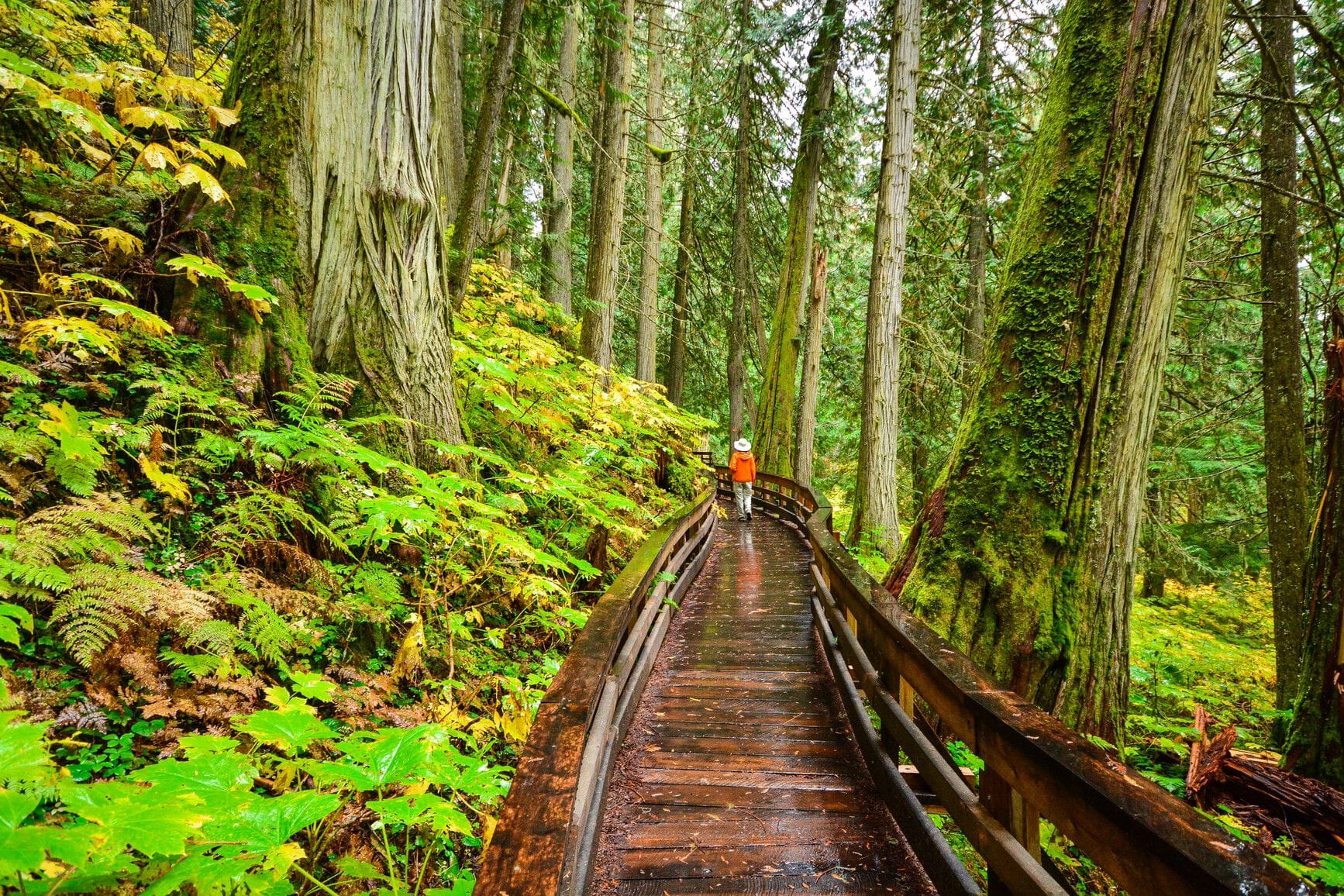
Inland temperate rainforest is rare, and this one carries both ecological and cultural significance. Old-growth cedars rise in an environment shaped by snow-fed systems and exceptionally clean air. For the Indigenous Lheidli T’enneh, the forest is a living archive of knowledge and medicine.
The wellness here is physiological - clean air, calm, unforced walking - but also educational when interpreted through Indigenous stewardship and conservation history.
How to do it: Visit via Prince George as a base. Trails and boardwalk sections make the forest accessible without turning it into an attraction.
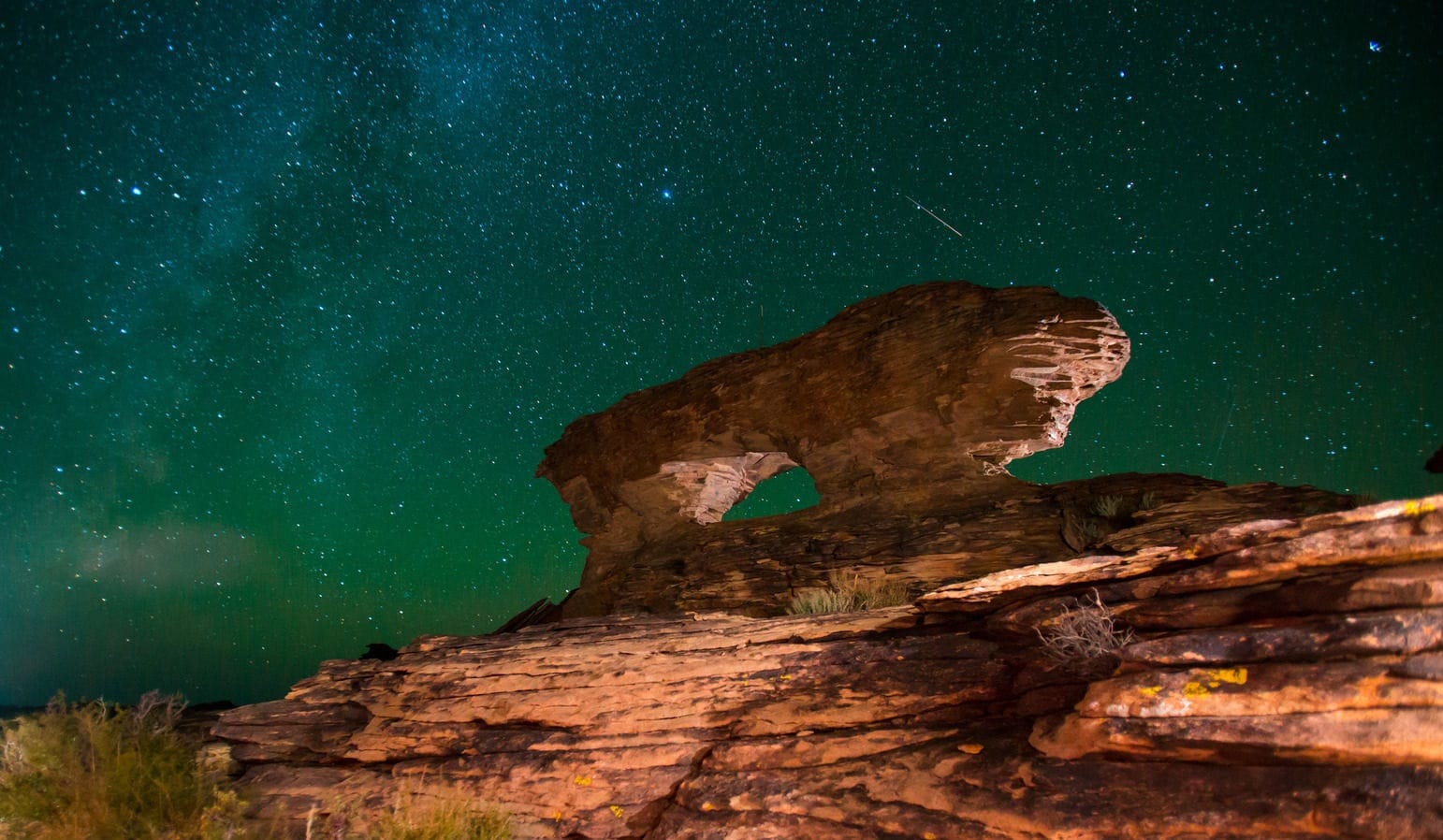
Mongolia’s effect on the nervous system is immediate: low density, vast sky, minimal noise. Wellness retreats in regions like Ikh Nart combine yoga and meditation with desert walks and a daily rhythm that feels unhurried by default.
Accommodation may be in ger camps - simple, warm, and surprisingly comfortable in remote terrain. What remains with most visitors is the scale: petroglyphs, steppe horizons, and a night sky that removes the illusion of urgency.
How to do it: Choose a guided retreat with logistics included (transfers, camp coordination). Pack for temperature swings between day and night.
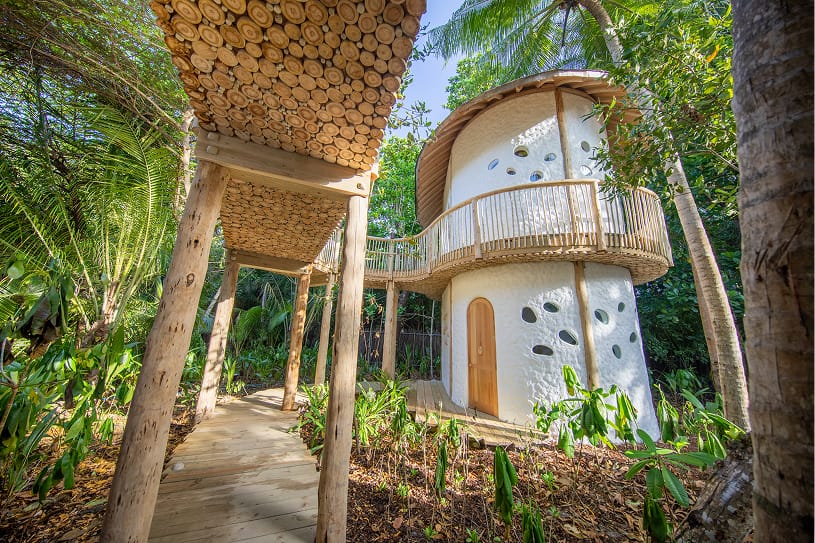
Soneva Fushi frames wellness through simplicity with intention. The island’s “no news, no shoes” philosophy is not branding; it sets the tone for how the nervous system responds to the place. Barefoot paths, open-air living, and a pace that resists over-structuring encourage a quieter kind of presence.
Wellness here moves beyond spa treatments into environmental design: sleep, light, and unhurried movement become as central as any formal program. When guests choose deeper interventions, they are supported by advanced diagnostics and tailored therapies, but the atmosphere remains calm rather than clinical. The most persuasive element is the island itself - not as scenery, but as a consistent rhythm that makes rest feel natural rather than scheduled.
How to do it: Plan enough time for the island’s pace to work (short stays can feel rushed). Begin with simple rituals - ocean swims, early walks, unstructured evenings - before adding targeted sessions.
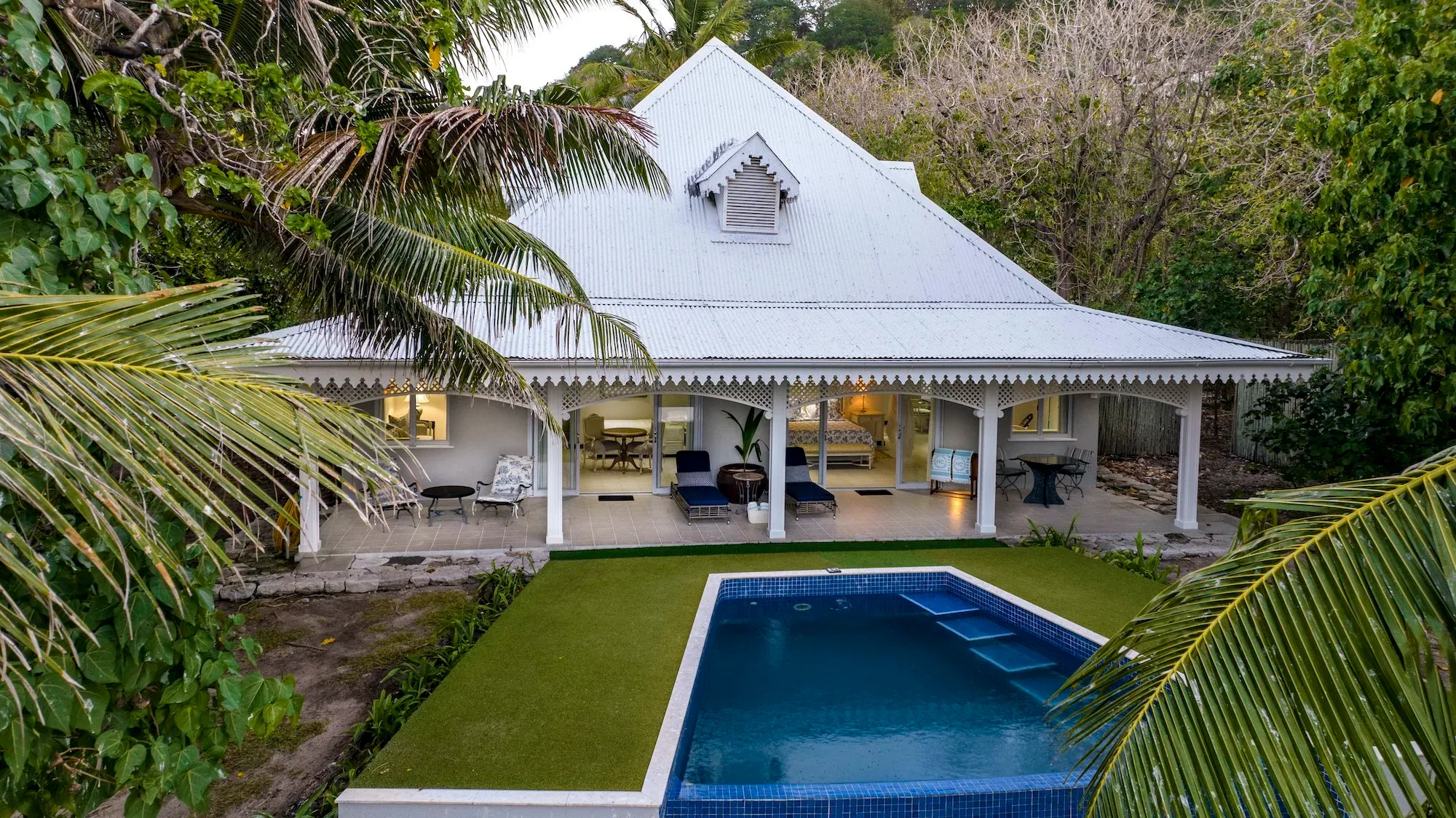
Cousine Island offers a form of wellness built on ecological continuity. With a limited number of villas and a conservation-led identity, the island functions less like a resort and more like a protected world with guests temporarily folded into it. Giant tortoises roam freely, nesting sea turtles shape the seasonal rhythm, and the absence of urban noise recalibrates perception quickly.
Wellness here is quiet and elemental: walking, swimming, reading, sleeping early, eating simply and well. The luxury is not in programming but in space - the physical space of an island that does not feel managed for crowds, and the mental space created by nature’s uninterrupted cycles.
How to do it: Choose this for low-density travel and true privacy. Keep plans minimal; the island’s value is in stillness, not itinerary.
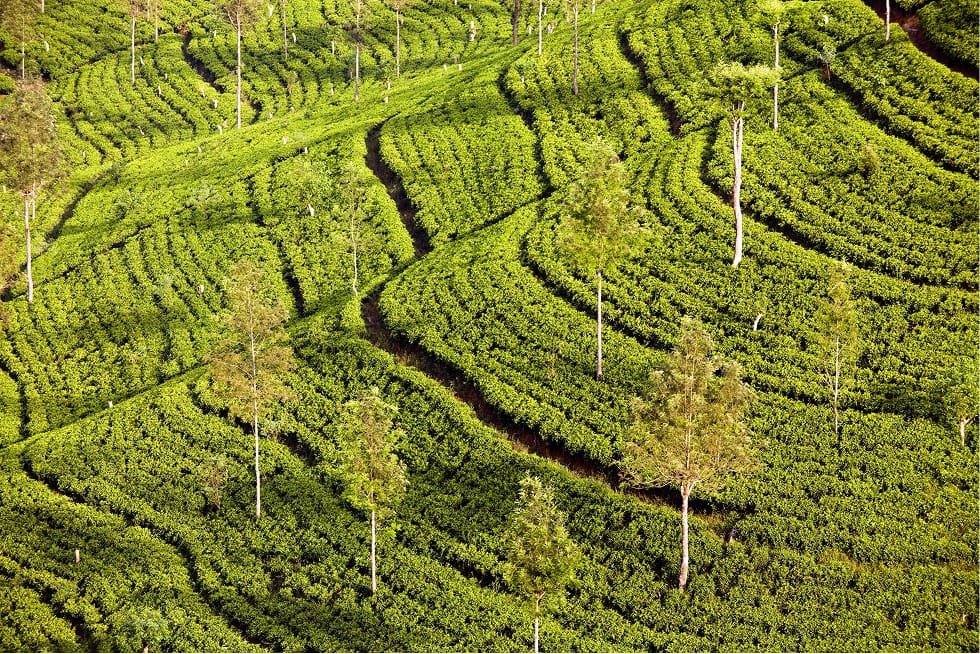
Sri Lanka’s tea country restores through altitude and rhythm rather than programs. Cool air, rolling hills, and plantation paths slow the body almost immediately. Wellness here comes from walking, breathing, and living within a landscape shaped by cultivation and patience rather than performance.
Stays are often in former tea estates, intimate and residential in scale. Days unfold without agenda: early walks among tea bushes, long verandas, simple nourishing food, and nights wrapped in mist and quiet. It’s a form of recovery that feels organic, not designed.
How to do it: Base yourself in the central hill regions around Hatton, Nuwara Eliya, or Haputale. Choose estates that encourage walking, stillness, and unstructured time.
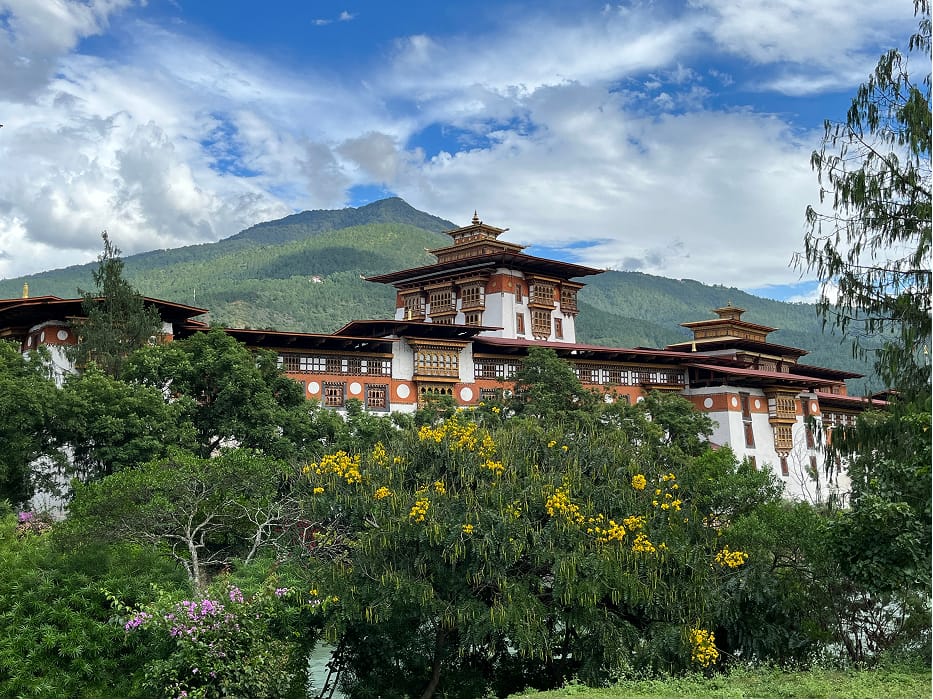
Bhutan’s wellness effect is subtle but profound. Silence, ritual, and altitude recalibrate the nervous system without instruction. Daily life moves at a measured pace, shaped by prayer flags, monastery bells, and long stretches of quiet between villages.
Experiences often combine gentle hikes, meditation, hot stone baths, and time spent in or near monasteries. The landscape - steep valleys, forests, and open skies - reinforces a sense of perspective that lingers long after departure.
How to do it: Travel with a licensed local operator. Wellness-focused itineraries typically include Paro and Punakha, with optional extensions to Bumthang for deeper cultural immersion.
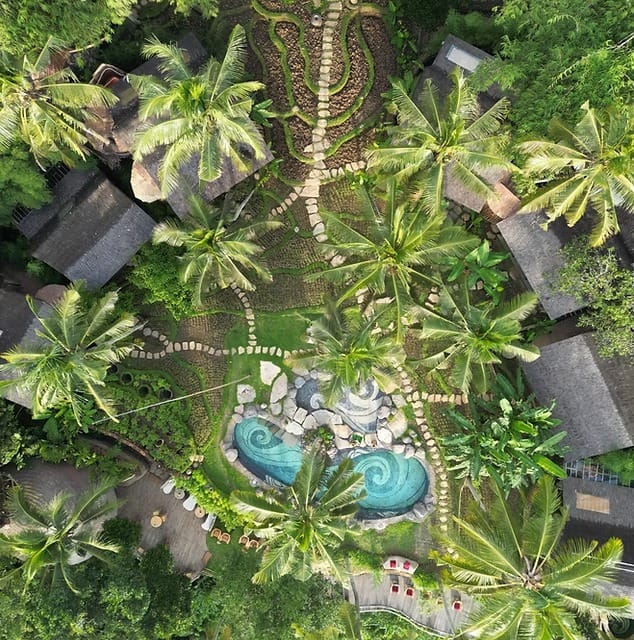
Bali’s most meaningful wellness experiences often happen away from the coast - on foot, through villages, following the logic of water systems and agricultural cycles. Astungkara Way trails return travellers to older routes: rice terraces, irrigation channels, local homes, and shared meals.
This is wellness as cultural proximity: walking at village pace, learning how land stewardship functions, and experiencing ritual life without turning it into spectacle.
How to do it: Choose a day walk if time is limited, or a multi-day route if you want the full rhythm of countryside life. Respectful participation matters here more than fitness level.
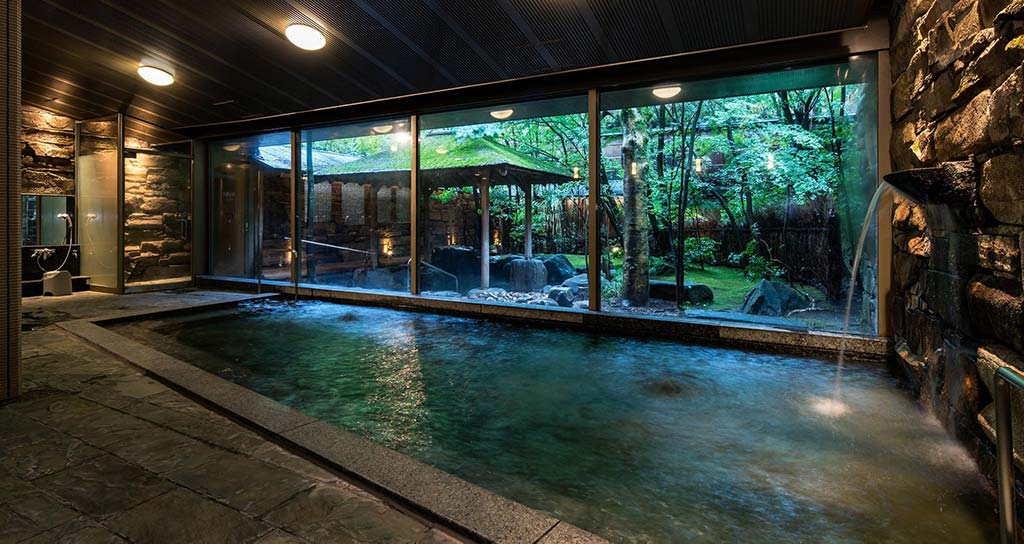
Kinosaki Onsen offers wellness through form: seven public bathhouses, a walkable town, and an etiquette-driven ritual that turns bathing into a disciplined practice rather than a quick indulgence. The sequence - soak, cool, walk, repeat - creates an unusually effective mental reset.
How to do it: Stay in a ryokan that provides access passes. Move slowly between bathhouses; the point is rhythm, not completion.
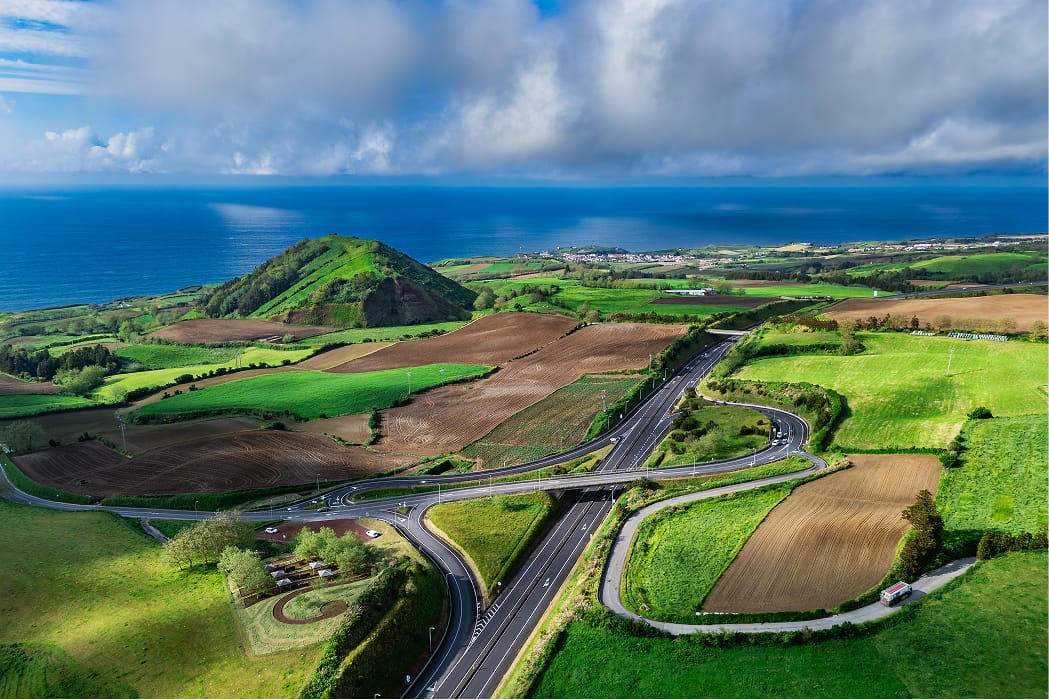
The Azores reset the nervous system through geology and isolation. Volcanic landscapes, thermal springs, and constant proximity to the Atlantic create a form of wellness that feels elemental rather than therapeutic. Life here moves according to weather, tides, and terrain.
Wellness experiences revolve around hot springs, coastal walks, whale watching, and time spent in silence. There is little visual noise, few crowds, and a strong sense of being at the edge of Europe - geographically and mentally. Restoration happens without instruction.
How to do it: Base yourself on São Miguel or Pico. Focus on geothermal bathing, hiking, and unstructured days shaped by nature rather than schedules.
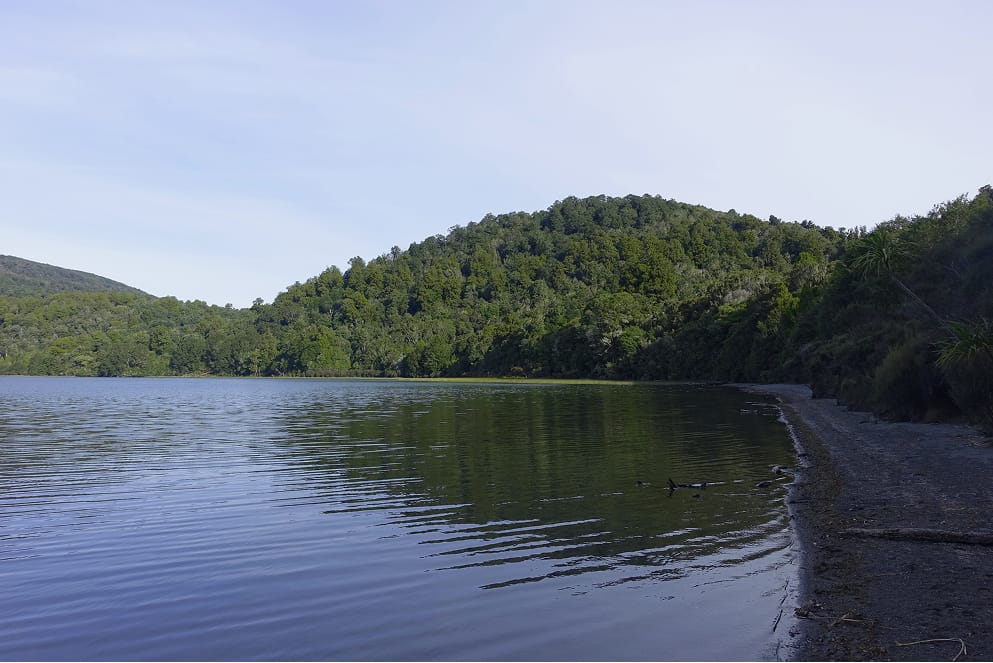
Te Waipounamu offers wellness through scale, ancestry, and slowness. Mountains, glacial lakes, and vast open spaces create an environment where mental noise drops away naturally. Māori-led experiences frame wellbeing as balance - between people, land, and time.
Wellness here is embedded in movement and storytelling: guided walks, water rituals, shared meals, and moments of stillness rooted in indigenous knowledge. The effect is grounding rather than escapist, leaving visitors with a recalibrated sense of pace.
How to do it: Travel with Māori-owned or Māori-led operators. Prioritize regions such as Fiordland, Otago, or West Coast, and allow time for distance and silence to do the work.
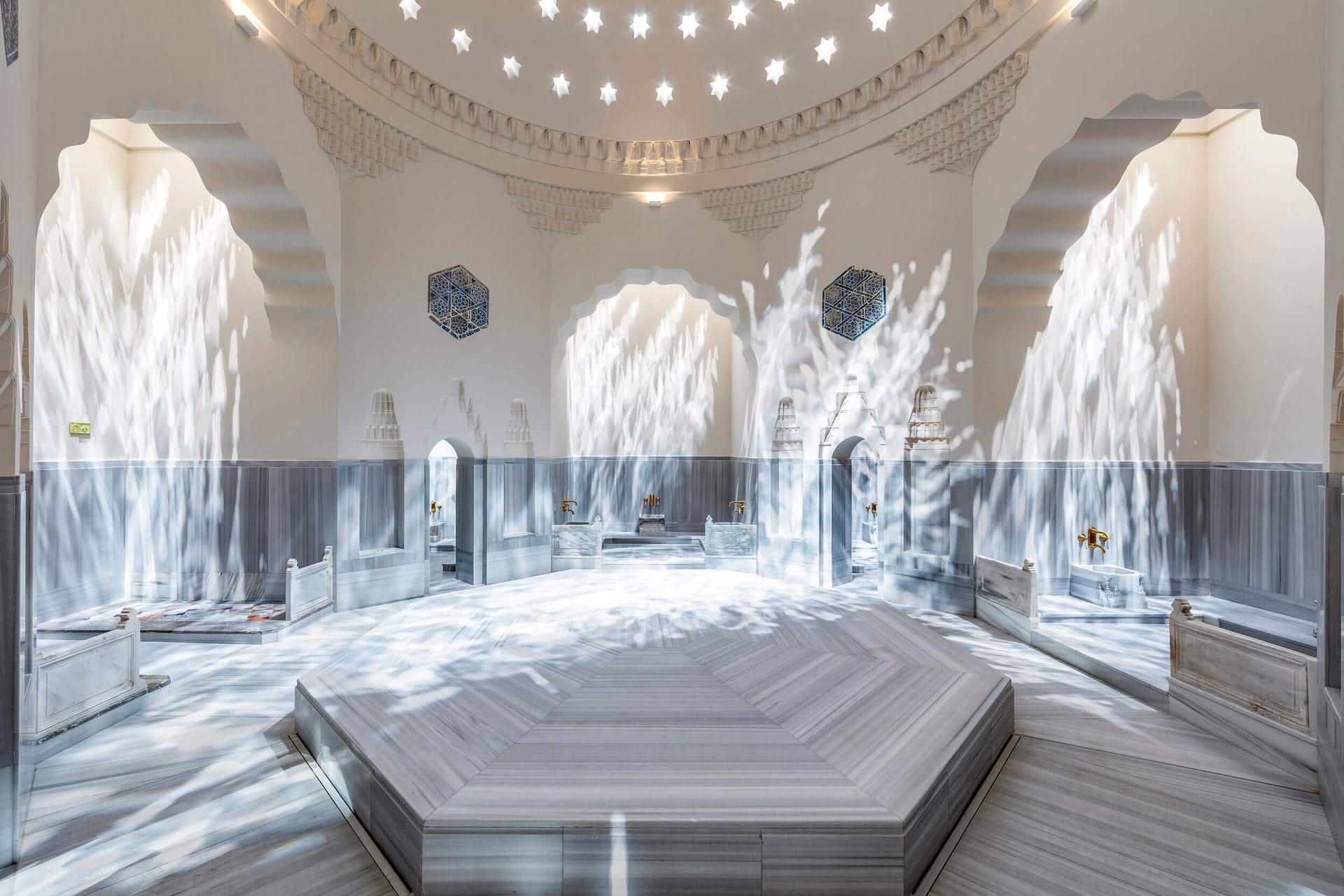
A hammam is often reduced to a spa ritual. Zeyrek Çinili Hamam restores the form to its original complexity: architecture, history, and bodily practice in one place. Built in the 16th century, the hammam reopened after a long restoration, and its cultural weight is felt immediately - domes, marble, steam, and a sense of continuity that modern wellness spaces rarely achieve.
The sequence is simple and disciplined: heat, water, exfoliation, foam, massage. The result is physical clarity, but also a kind of temporal shift - an ancient practice still functioning without needing reinvention.
How to do it: Book treatments online in advance (gender-specific sessions). Choose a shorter traditional format if you want the core ritual, or a longer version if you prefer extended massage and recovery time.
The best wellness experiences of 2026 share a quiet principle: they do not promise transformation. They create a setting - through landscape, tradition, temperature, and pace - where the mind can downshift and the body can recalibrate.
From Namibia’s dark skies to Istanbul’s domes, from Welsh pilgrimage paths to Balinese village trails, wellness emerges not as an escape but as a return: to attention, to breath, to place.