The Face of the New Generation of Opera: Alisa Medvedeva
– 3 min read

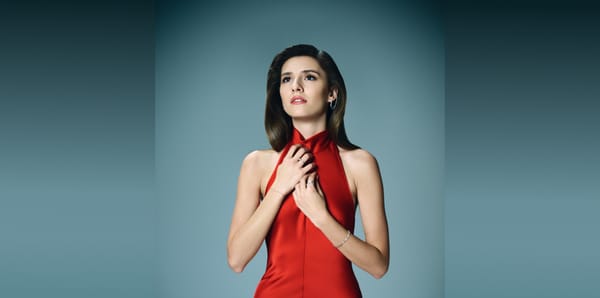
In today’s opera world — where competition is relentless and stages stretch across continents — it takes more than a beautiful voice to stand out. It takes discipline, intelligence, emotional depth and, above all, individuality. Alisa Medvedeva represents a new generation of talented women redefining what it means to build an international music career.
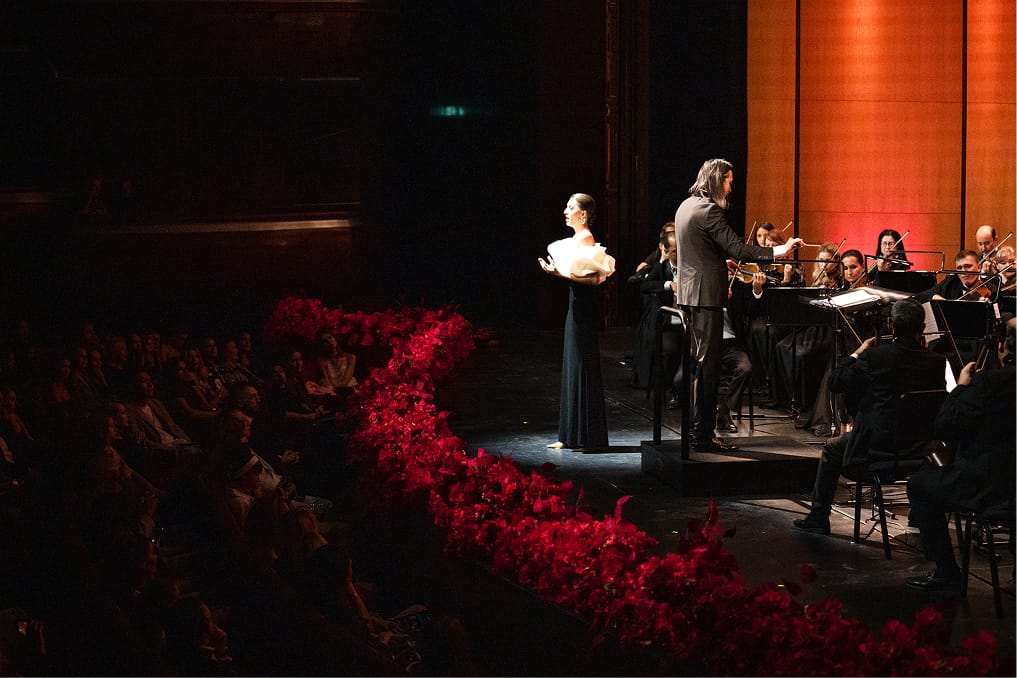
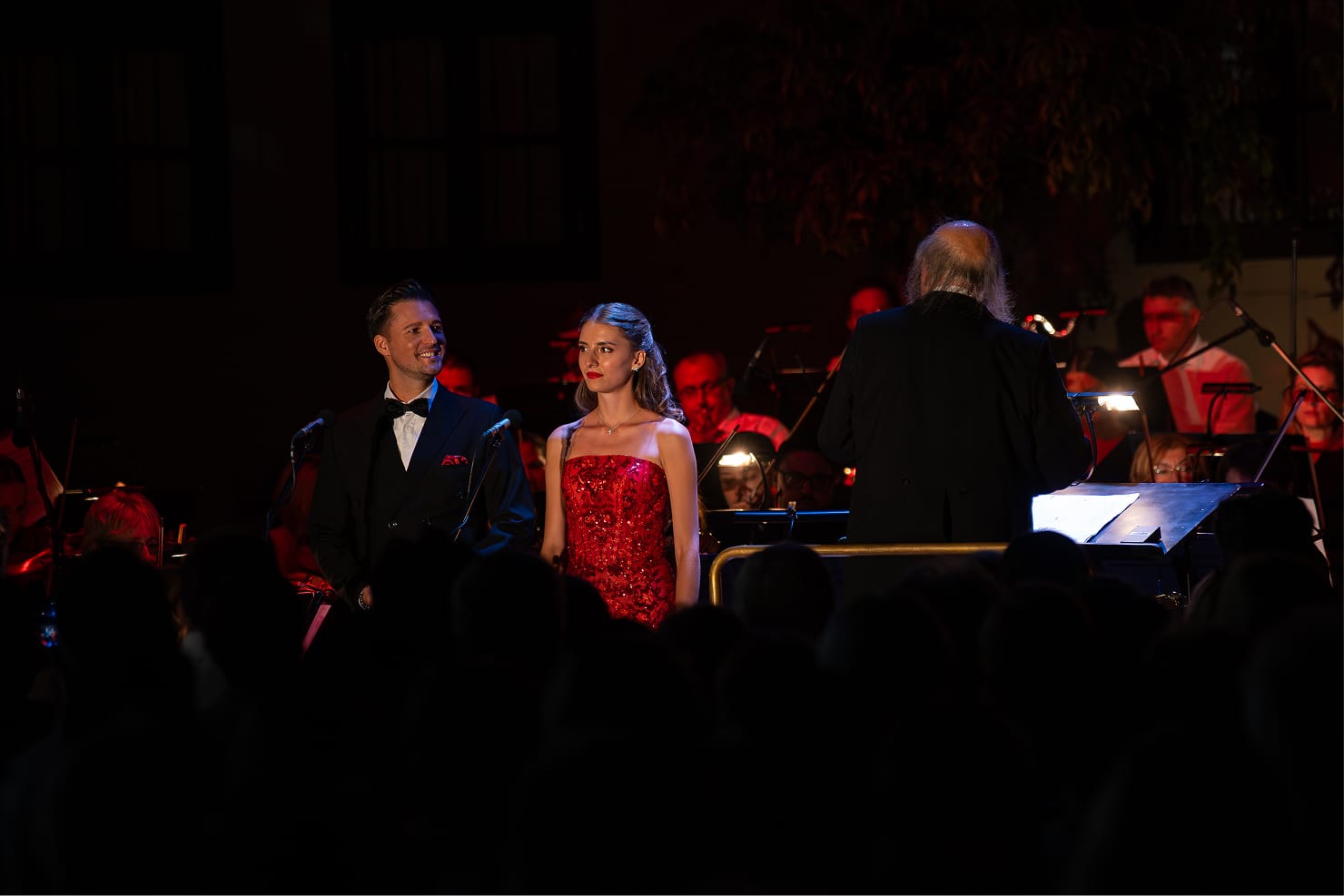
Alisa Medvedeva has performed on several major international stages, including appearances alongside artists such as Andrea Bocelli, Il Divo, Luca Salsi, Vittorio Grigolo.
For IPremium magazine, the real intrigue lies in the inner architecture of her craft, the discipline behind, and the personal convictions that allow her career to evolve.
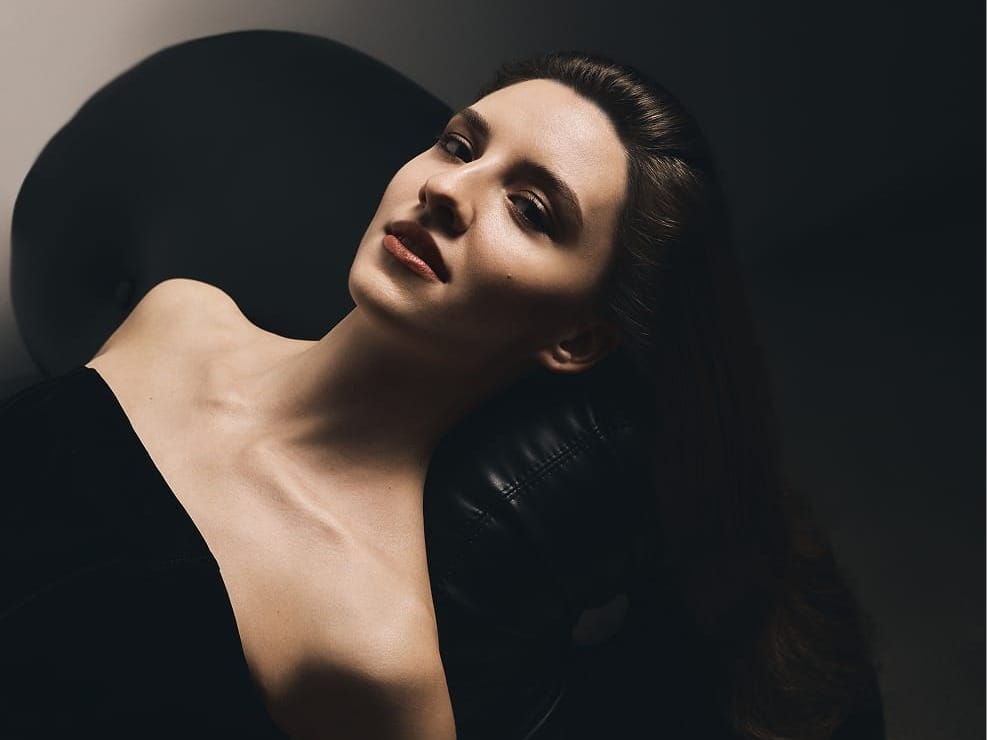
“An international career is built gradually, with patience and consistency.”
You have performed both in grand opera productions and high-profile gala concerts. How do you adapt your vocal and emotional approach between a staged opera role and a concert performance?
Performing in a fully staged opera and singing in a concert are fundamentally different experiences. In opera, you inhabit a character completely — you must understand her psychology, her relationships, and follow her emotional arc from the first entrance to the final scene. It is a continuous dramatic journey shaped by interaction on stage.
In a concert, the emotion is more concentrated. You perform arias or selected excerpts where the story must unfold within a few minutes. The communication with the audience becomes more direct and immediate, and the focus shifts more toward musical interpretation than theatrical development.
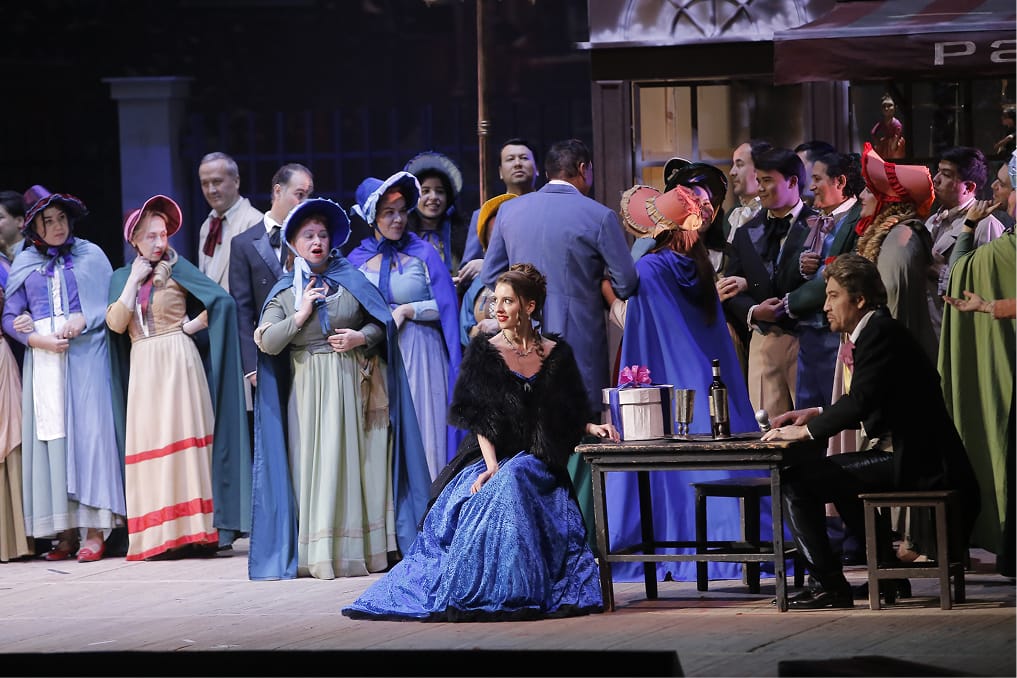
“Opera is storytelling through music, and without understanding text and character, the voice alone is not enough”
Many young singers focus primarily on vocal technique in the early stages of their careers. In your experience, how important are acting skills, languages, and musical interpretation in shaping a complete opera artist?
For me, all of these elements are essential. Vocal technique and emotional expression remain the foundation — technique allows you to sing freely and sustainably, while emotion gives meaning to every phrase. But acting, languages, and interpretation are equally important. Opera is storytelling through music, and without understanding text and character, the voice alone is not enough. Artistic growth is a lifelong process.
You have already performed in prestigious venues and alongside renowned artists. What has been the most memorable moment of your career so far?
Every performance is important because each one brings new experience. However, my debut at the State Opera Theatre in Uzbekistan remains especially memorable. Performing Musetta and Zerlina there marked a significant milestone for me. The warmth of the audience and the scale of the occasion made it unforgettable.
Opera demands not only vocal excellence but also psychological resilience. What strategies help you manage pressure, maintain confidence, and protect your voice during intense periods?
Sleep helps me the most. I try to get a full nine hours whenever possible — it truly makes a difference. I also practice Pilates, which keeps me physically balanced and focused. Most importantly, I rely on the support of my family and close friends. Their encouragement gives me confidence and strength during demanding periods.
Looking ahead, what artistic direction do you envision for yourself over the next few years — and what advice would you give to emerging sopranos?
My goal is to continue growing and refining my artistry. I want to approach new roles carefully and develop them step by step. I believe it is essential to believe in yourself, but also to accept criticism constructively and learn from every experience. An international career is built gradually, with patience and consistency.
What helps you remain authentic as your career continues to grow internationally?
My family. After every performance, after the stage lights and the formal gowns, I return home and simply become myself again. Being surrounded by people who love and support me unconditionally helps me stay grounded and remember who I am beyond the stage.