Safari meets slow living

– 6 min read

Slow travel has become something of a 2026 travel buzzword. Gone are jam-packed itineraries, tick lists and holidays that leave you more tired than when you arrived. But how exactly do you do slow travel on safari, where days are typically well scheduled? Many safaris promise serenity but deliver something closer to low-level anxiety. Early wakeups, fixed mealtimes, and the unspoken pressure to see everything can turn game drives into a competitive exercise. Vehicles rush between radio-called sightings. Expectations are set by the language of “once-in-a-lifetime,” and suddenly you’re not relaxing, you’re anxious about what you might be missing.
Early morning school runs replaced with pre-dawn game drives, late afternoon rush hour swapped for another type of traffic jam, perhaps waiting for a herd of elephants to cross the road. On paper, it sounds luxurious. In reality, it can be quietly stressful. But the truth is that the bush does not respond to schedules. And staying somewhere that truly understands that changes the experience entirely.
Madikwe Game Reserve lends itself to a slower type of safari, though it requires something many of us, myself very much included, are not particularly good at. Releasing control. Certainly not an easy thing for my A-list personality to comprehend.
It's South Africa’s fifth-largest game reserve and spans an area of over 75,000 hectares (that's almost the same size as Singapore). Yet it is home only to private lodges with no self-driving permitted, which helps remove much of the external noise that defines busier parks.
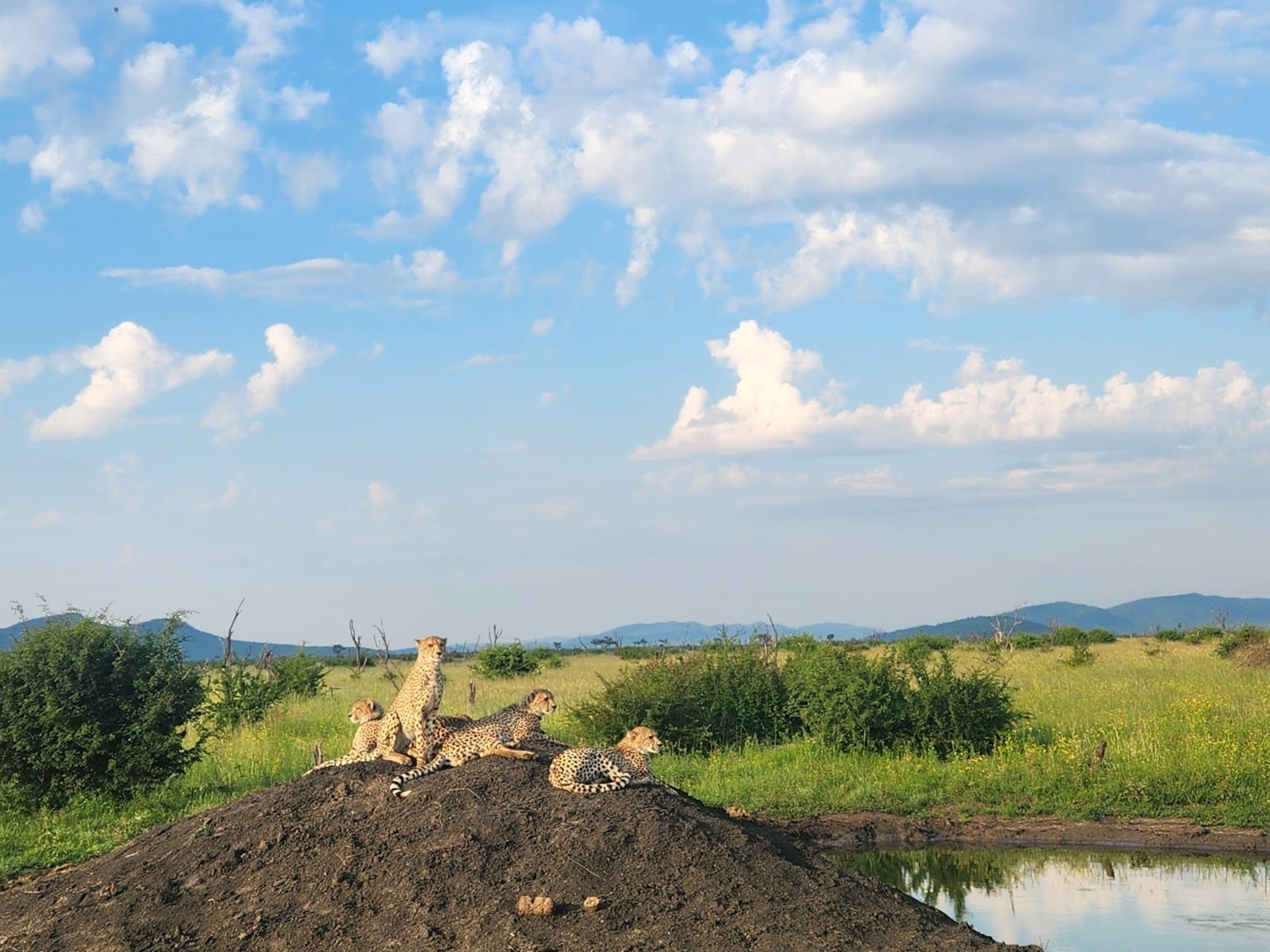
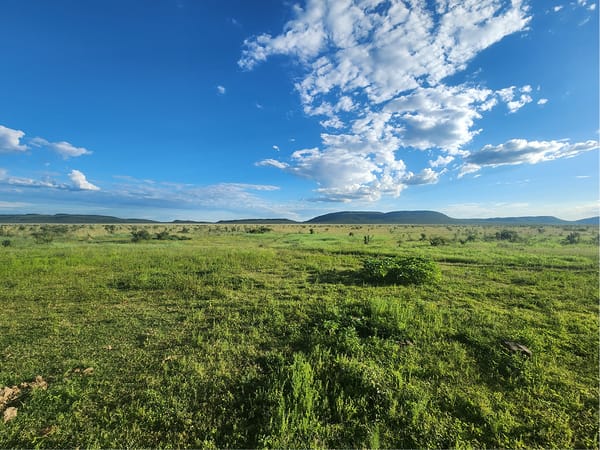
There is scale here. Think vast, varied landscapes that shift from open plains to wooded hills. Sightings are frequent and impressive (during our stay we saw four of the Big Five, as well as wild dog and cheetah), but the focus isn’t on ticking boxes. Guides spend time explaining what they’re reading in the environment rather than steering toward guaranteed outcomes. You learn why they slow down, why they wait, why they sometimes turn around entirely. The experience becomes less predictable, but more absorbing.
Without the expectation of constant reward, your attention changes. You start to notice tracks crossing the road, the sudden quiet that suggests a predator nearby, the way antelope reposition when the wind shifts. That attentiveness doesn’t end when the vehicle comes to a stop.
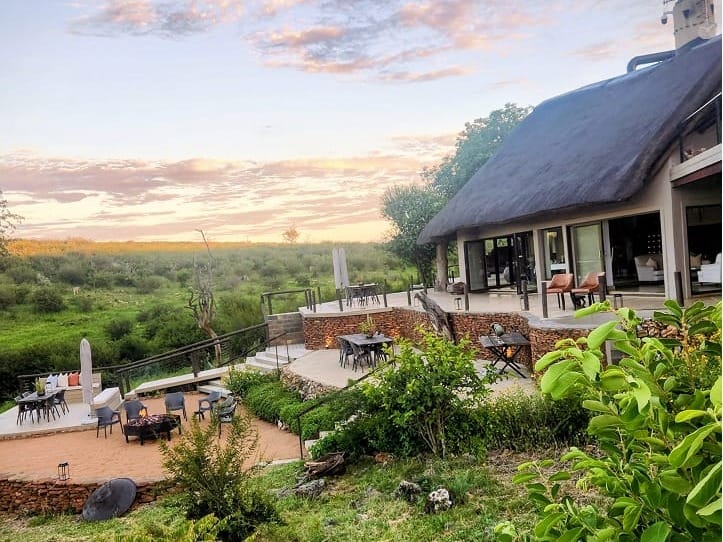
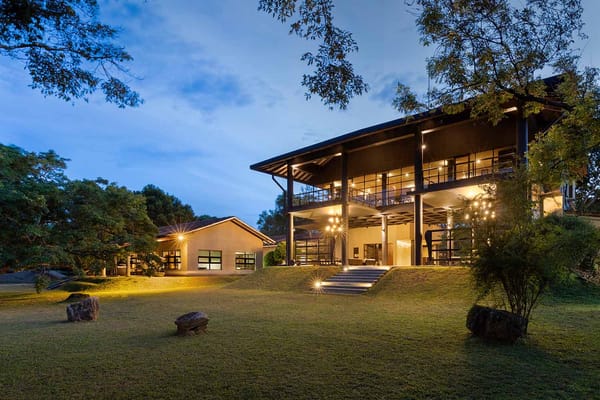
At the right safari lodge, for instance a place like Royal Madikwe which only accepts small guest numbers housed in lavish private villas, the slow pace is not only allowed, but invited, encouraged even, to continue. Meals stretch. Conversation becomes less fragmented, no longer competing with to-do lists. You might find yourself taking a long, indulgent bath in the middle of the day, helped along by the fact that zebras linger just beyond the window.
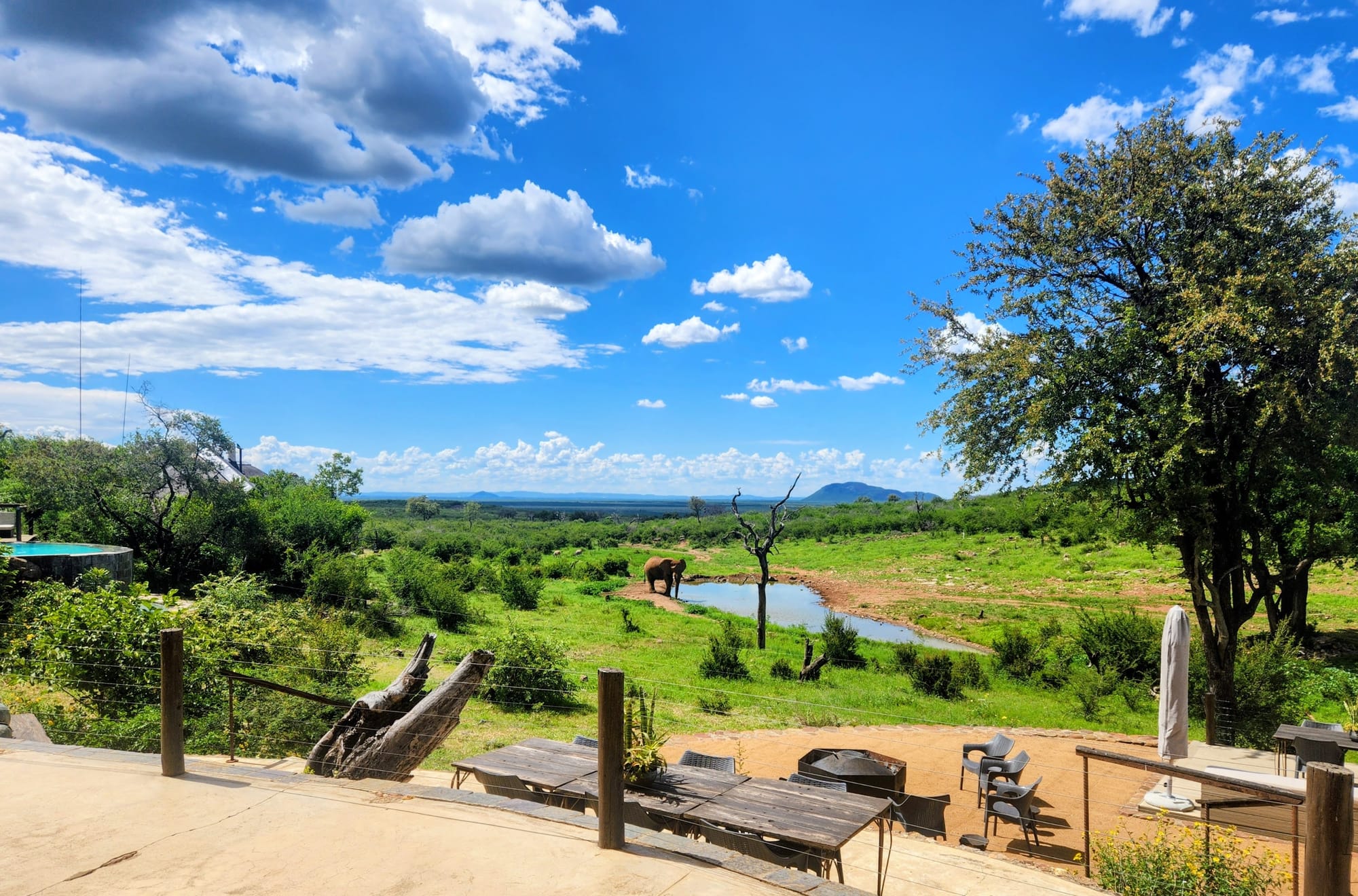
The decision to leave camp is based on you and your family, not a fixed departure time. Drives stretch longer when there’s reason to, perhaps a slow loop to the river in search of hippos, or a drive toward the mountains where wild dogs are known to move. They shorten when the heat builds or when legs grow restless, and watching elephants at the waterhole from the pool feels like the better option.
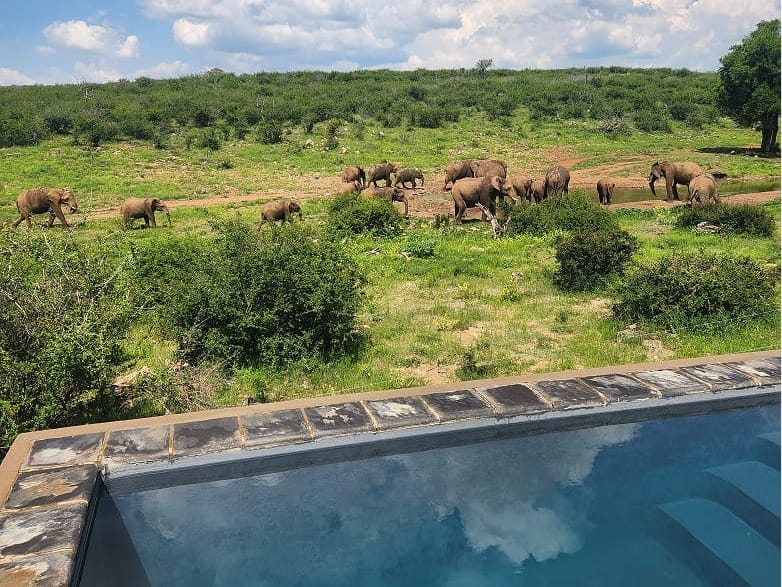
Back at your villa, there is no sense of filling time between activities. Time simply passes, spent lazily between the pool at the main area or the small, heated plunge pool in front of your villa. Or perhaps in savouring the plushness of white linens under fairytale-like mosquito nets, or indulging in a crisp, cold glass of chardonnay from your own private wine cellar.
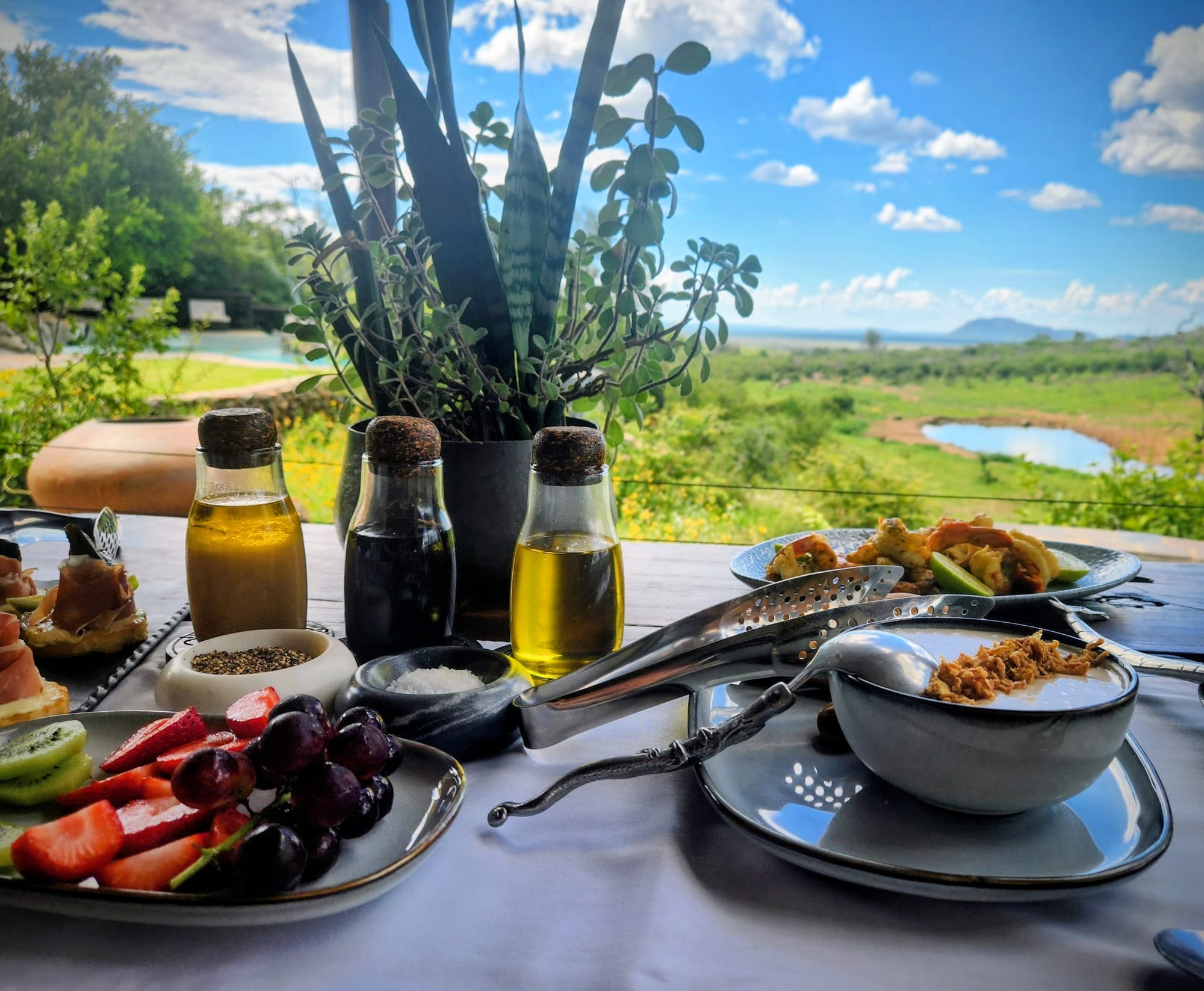
Meals follow the same logic. Breakfast appears when drives end, not when a clock dictates. Lunch is unhurried and practical, designed around the heat of the day and the likelihood of afternoon rest. Salads, skewers and bagels that could be eaten poolside, or even out under the shade of a Jackalberry tree if a drive does linger longer. Dinners are indulgent but restrained, set to the tone of the staff's drumming or with a distant electric storm providing the entertainment. Phones appear occasionally, mostly for photos, then disappear again. Signal is limited enough to remove temptation, yet with good enough WiFi to keep you reassuringly connected to the outside world.
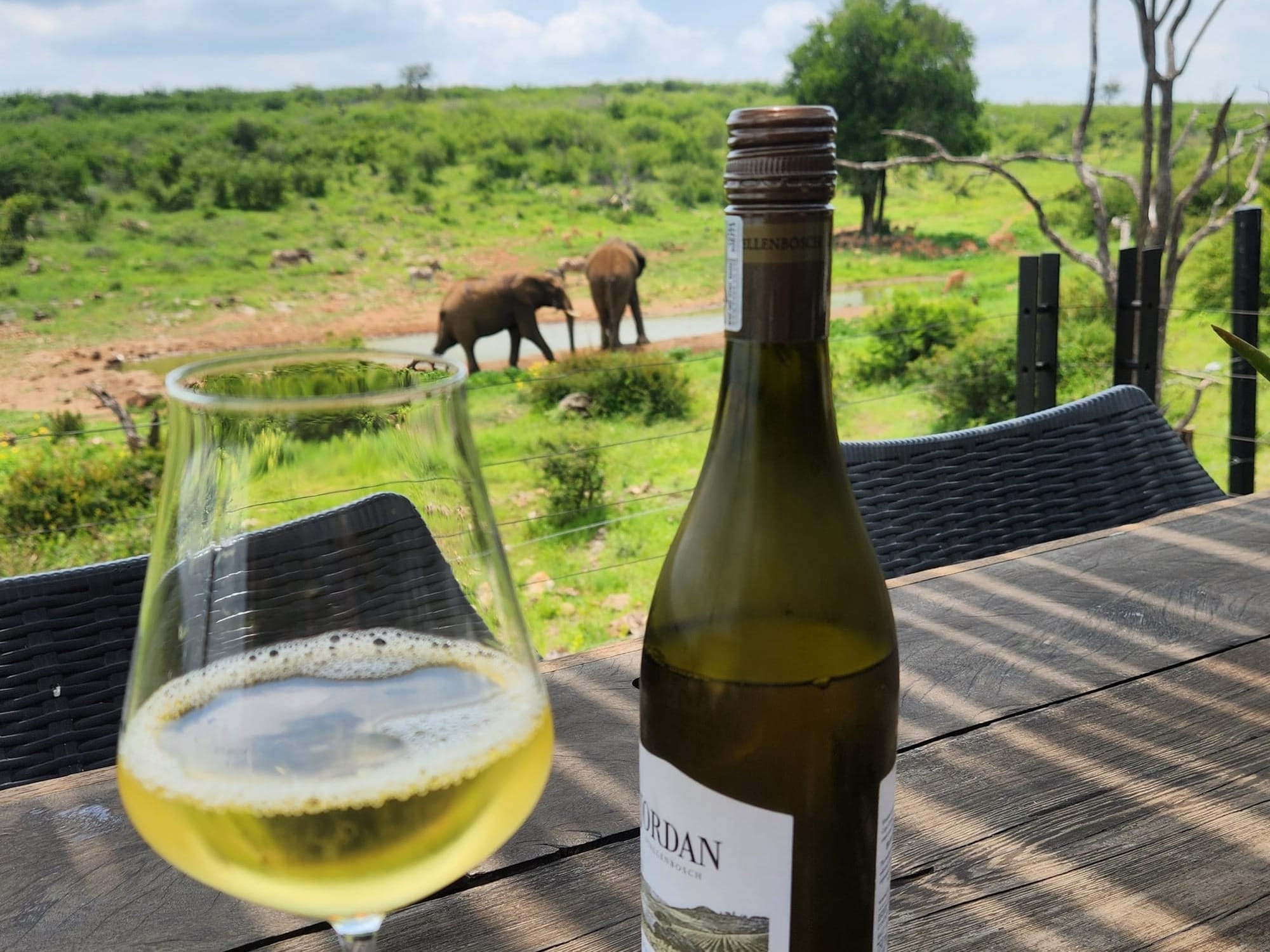
One afternoon, back from an early drive, I sat on the deck watching elephants move through below. They seemed to gallop in. Drink and then wait. One came closer, feeding without visible concern for where she was meant to be next. Almost upon the deck she gave a low rumble and was joined by a line of her family members. It was almost as if she has told them that it was safe to come, that there was no one need be concerned about the human spying on them from the deck. Watching them, unhurried and unbothered, felt like the quiet thesis of the entire stay.
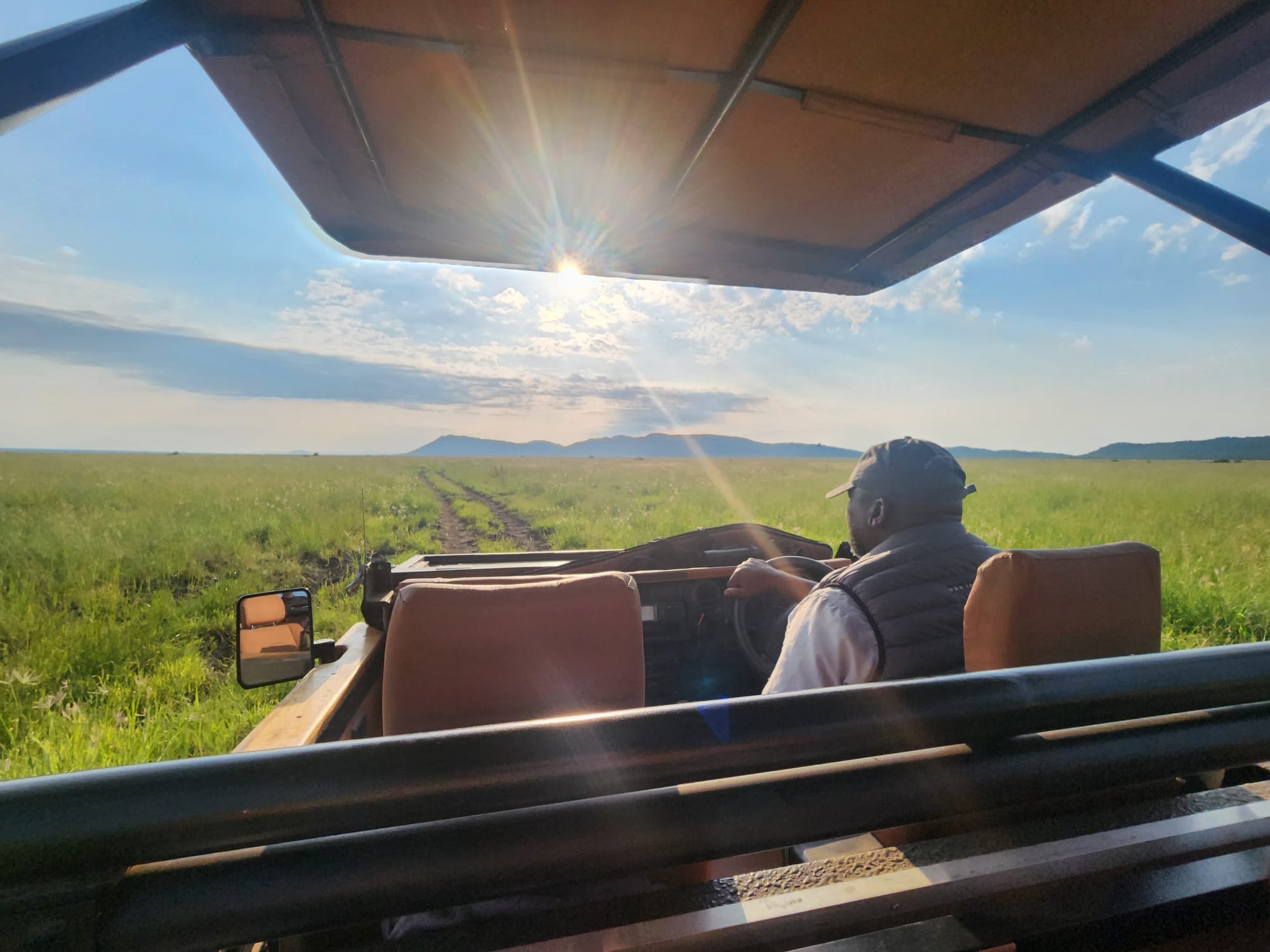
Madikwe Game Reserve lies in South Africa’s North West Province, near the Botswana border, and is easily reached in little over three hours by car from Johannesburg. It is malaria-free and home to an impressive diversity of wildlife, including the Big Five, wild dog, cheetah, brown and spotted hyena, and over 300 bird species.
But what sets Madikwe apart is its exclusivity by design. With no public access and only privately operated lodges, vehicle numbers are limited and sightings feel unpressured. There are over 30 all-inclusive lodge options to choose from in the reserve with Royal Madikwe being one of the most exclusive, due to its private villas.
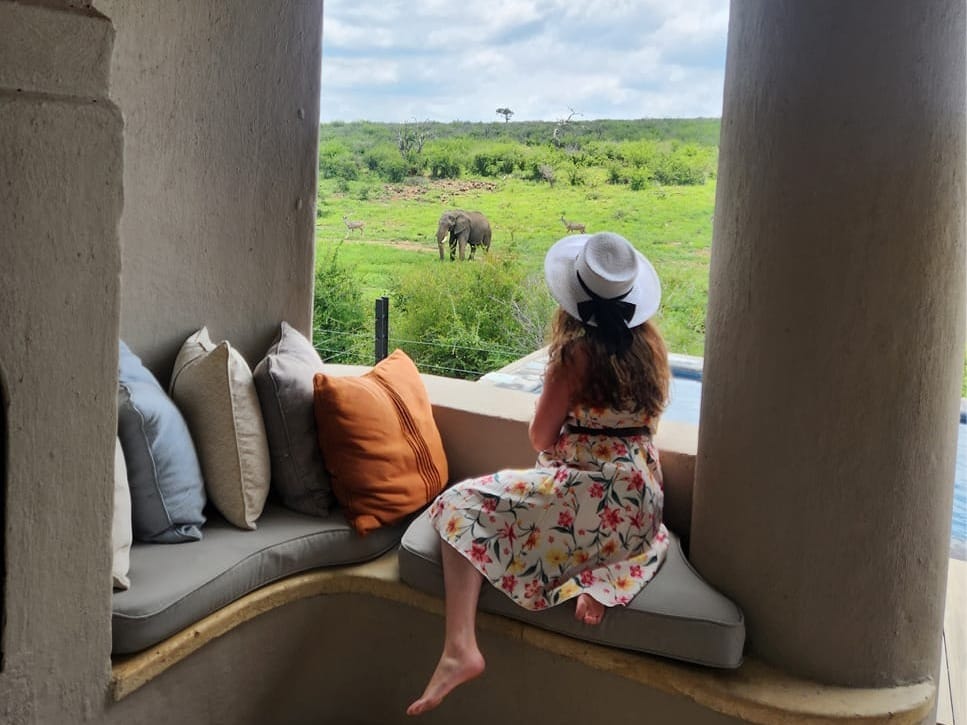
Each one is positioned for privacy, with views that focus on a central waterhole, and if you're lucky, like we were, you may just be the only people there. When I had done my research as to where I went to go on safari, I wasn't looking for a transformation or reset. But at Royal Madikwe I had found it. Wellness elements here aren't what you would expect. They aren't branded or booked. They are built into the way space is used, time is treated, and expectations are quietly dismantled.
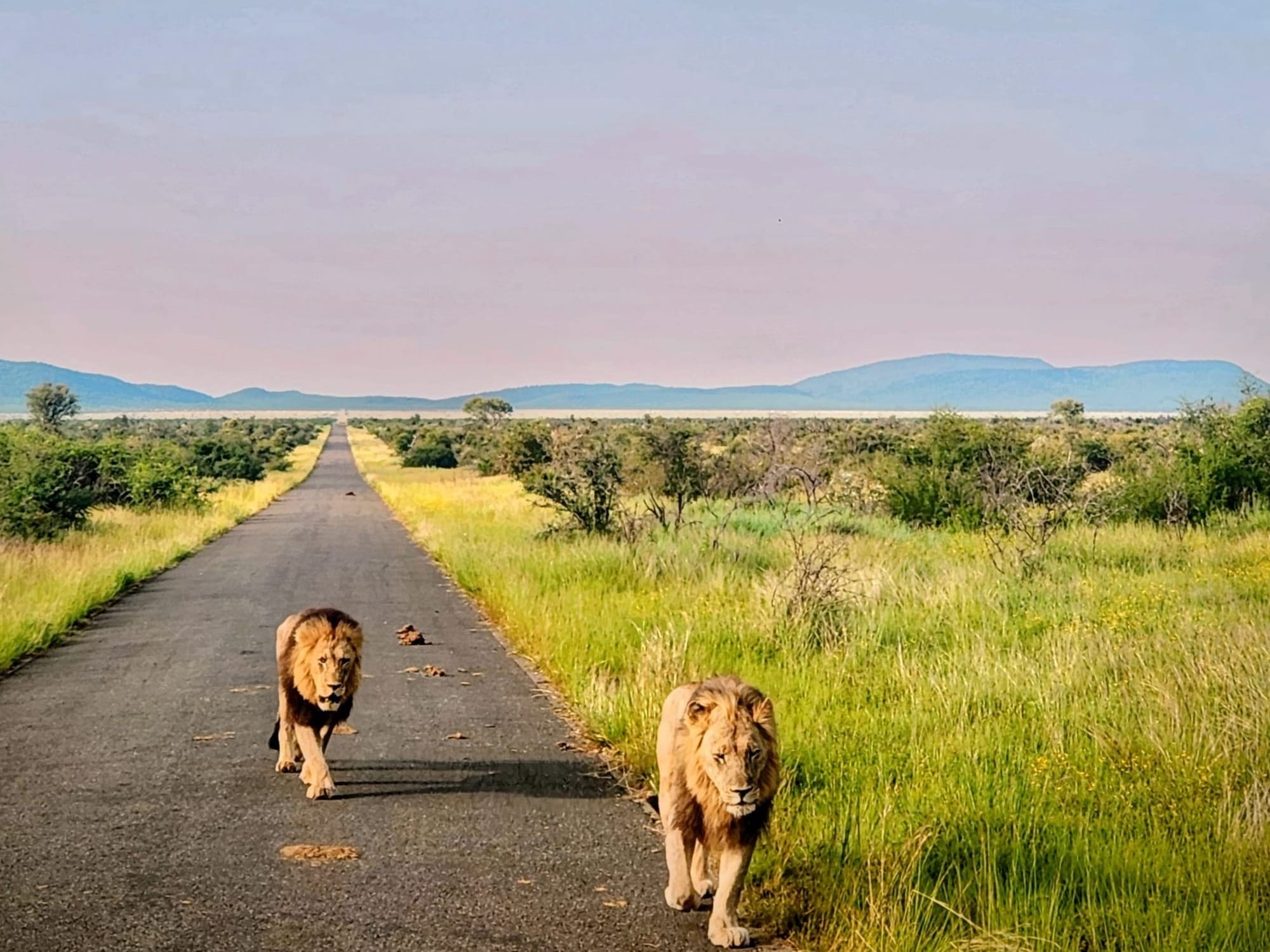
And despite the uber luxury of our own private guide and vehicle, a chef who would bow to our every whim, and staff quietly and discreetly on hand for whatever we needed, it felt relaxed, easy. Staying in a private villa I was concerned that it would feel grandiose, awkward, perhaps even absurd. Too many people, too much attention. But without shared corridors, fixed dining times, or the needs of other guests to consider, it felt remarkably easy. Service was discreet, responsive, and never rushed. There was joy in resting without explanation, without interruption, without the need to self-edit. All these people to dote on me, offering a level of luxury that felt more forced than freedom. There was a joy to be found in simply being. And while there's something to be said to making new friends around the campfire at the end of a typical safari, here there was no background performance necessary without the presence of strangers.
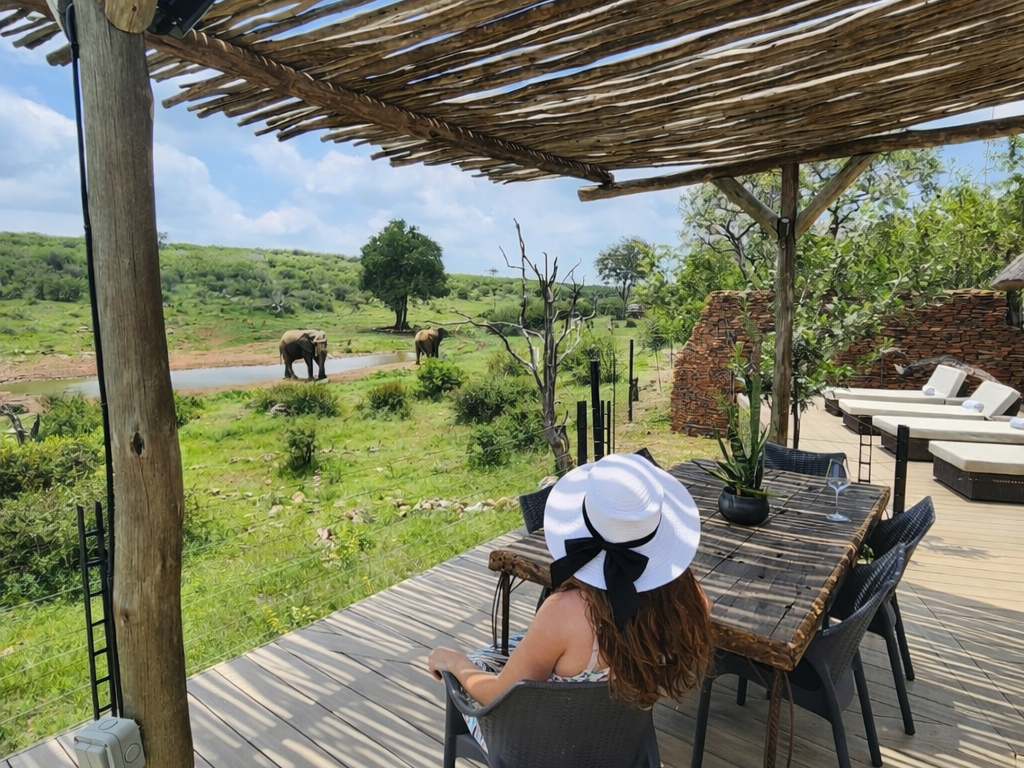
It's withdrawal without disengagement. I could read while my husband watched the landscape from the deck. With time to just be oneself, free of the expectation of a communal atmosphere. The day began and ended wherever we were or wanted to be. There was no resetting of social energy, and in that a real homecoming to nature. Reinforcing the same principles that govern the bush itself.
Leaving Madikwe after a few days of this bliss, the contrast was immediate. Phones reappeared. Notifications stacked up. Speed returned. But the memory that stayed with me was not of a particular sighting or moment. It was of time stretching. Of paying attention. And the reminder that sometimes, the most luxurious thing you can do on safari is simply stop trying to control it.