Quiet Luxury Is Not a Trend. It Is a Filter
Quiet luxury is not defined by appearance. It operates through selection, discretion and time. This essay examines why visibility lost value — and what replaced it.

– 4 min read

Quiet luxury is not defined by appearance. It operates through selection, discretion and time. This essay examines why visibility lost value — and what replaced it.
“Elegance is not about being noticed, it’s about being remembered.” — Giorgio Armani
Quiet luxury is often described as an aesthetic. In reality, it functions more like a filter — one that removes excess, explanation and public signalling. What remains is not minimalism, nor restraint for its own sake, but a different relationship with value.
For decades, luxury relied on visibility. Logos, recognisable silhouettes and immediate legibility served a clear purpose: they translated wealth into a public language. That system is losing relevance. Not because wealth has disappeared, but because its audience has changed. Today, the most influential consumers no longer require validation through recognition. Their choices are legible only to those with similar reference points.

This shift explains why quiet luxury cannot be reduced to neutral colours or understated design. Those are surface outcomes, not causes. The deeper change lies in how status is communicated. Loud signals once worked in environments defined by scarcity of access. Digital culture reversed that logic. Visibility became abundant, exposure constant. In that context, discretion regained value.
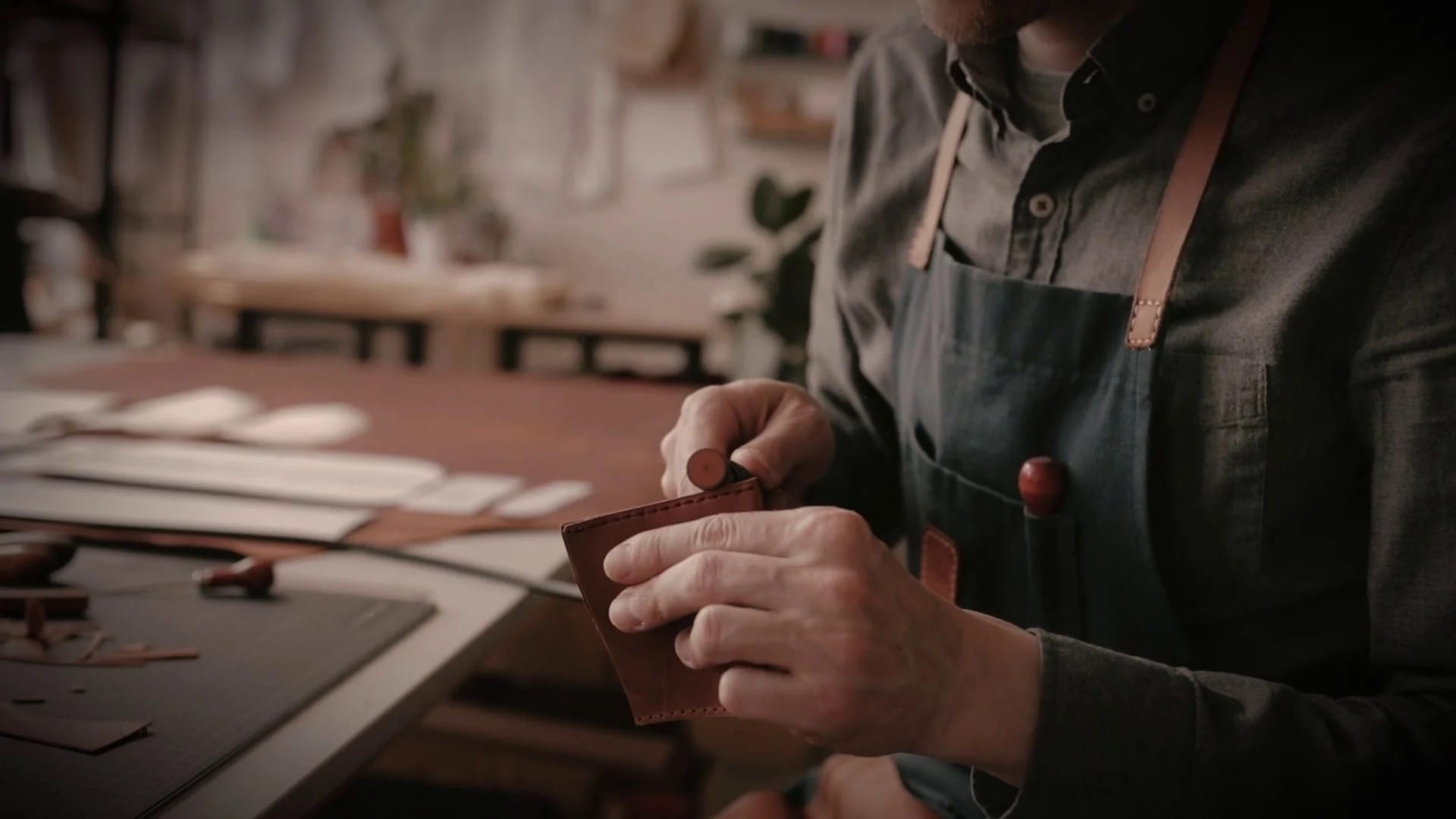
Taste plays a central role here, but not as preference. Taste is often misunderstood as personal opinion. In practice, it is cumulative. It develops through time, repetition and refusal. It requires the ability to discard options rather than accumulate them. Quiet luxury depends on this discipline. Without it, restraint becomes imitation.
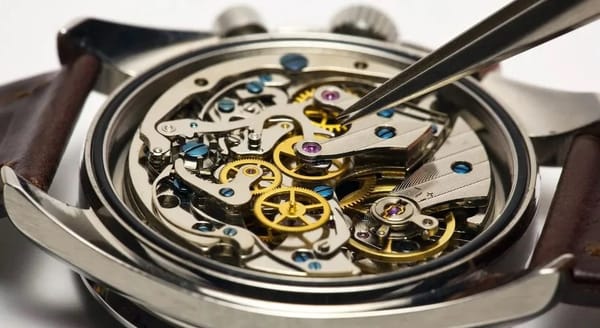
This also explains why the current conversation around logos misses the point. Removing a logo does not automatically remove signalling. It simply shifts it. Materials, construction, proportion and even absence function as markers. The difference is that these markers are slower. They resist instant recognition. They reward familiarity rather than attention.
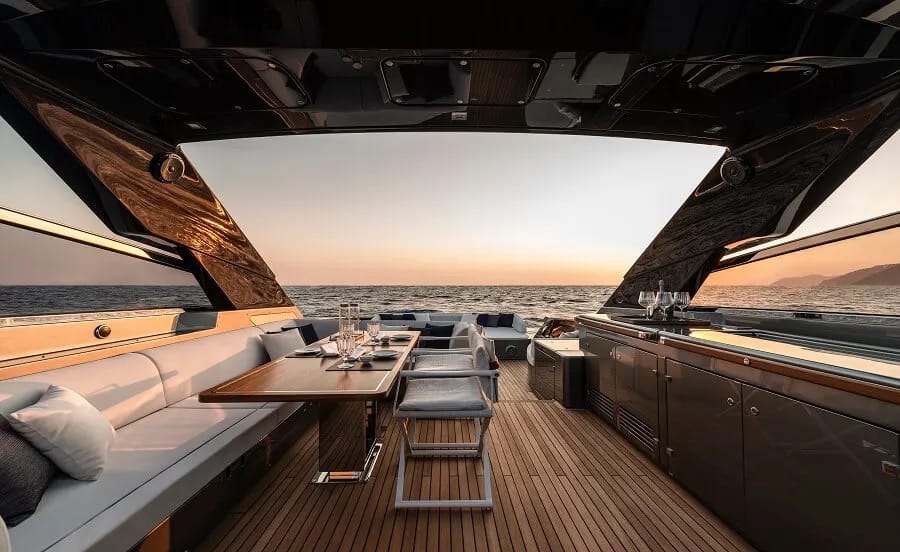
Time itself has become a decisive factor. Not as leisure, but as control. The ability to wait, to choose longevity over immediacy, to avoid constant renewal — these behaviours now signal stability more effectively than novelty. Silence operates in a similar way. In a saturated environment, silence reads as autonomy.
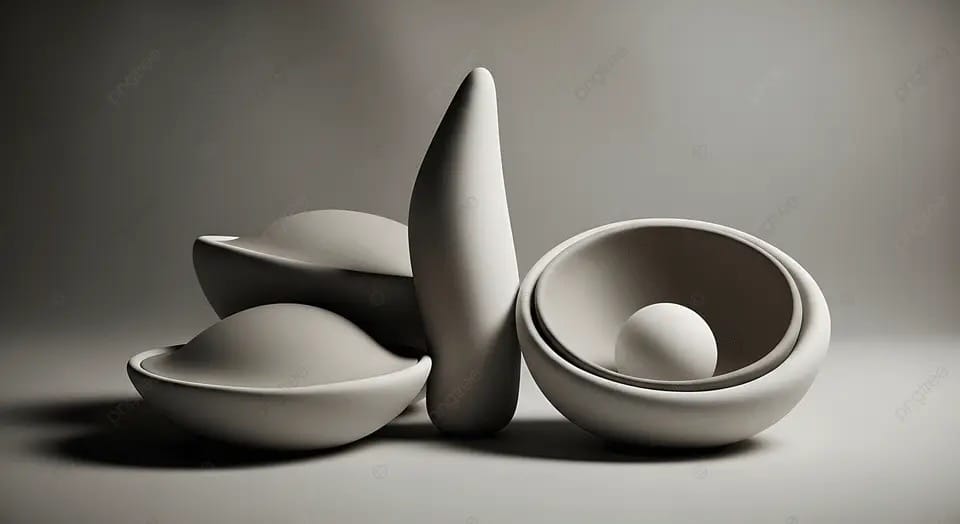
Quiet luxury also reflects a broader movement away from consumption toward curation. Ownership has become less important than selection. Fewer objects, fewer commitments, fewer narratives attached to each choice. This does not suggest austerity. It suggests responsibility. Every addition carries weight because it cannot be hidden within excess.
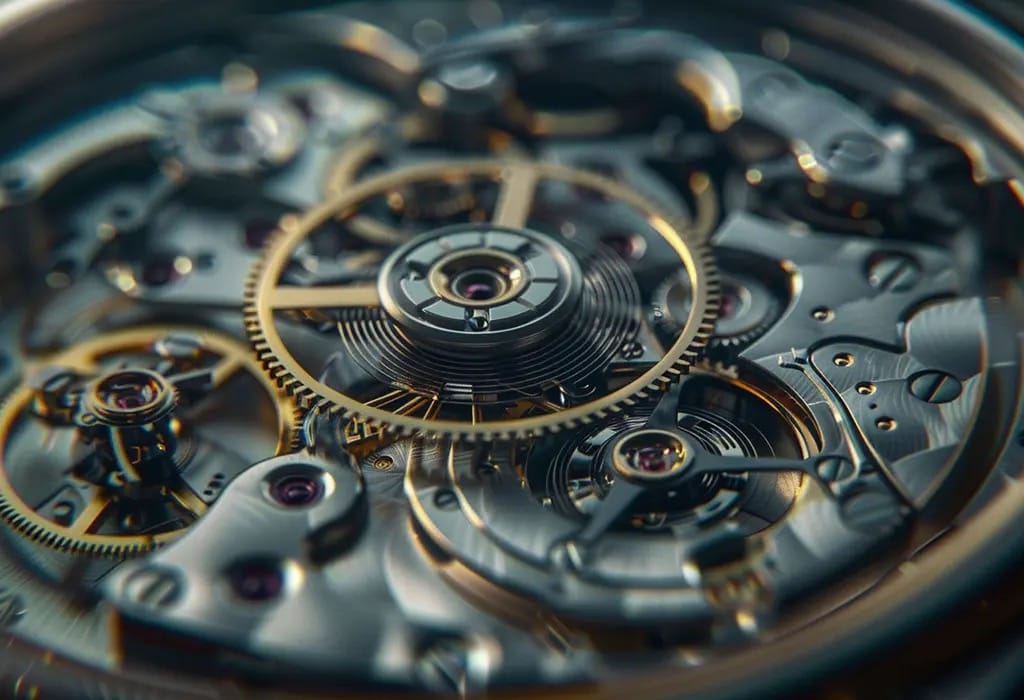
Technology accelerates this contrast. Artificial intelligence can replicate patterns, predict preferences and scale aesthetics. What it cannot do is refuse convincingly. Taste depends on refusal. It requires context, memory and the willingness to disappoint expectations. This is why editorial judgment has regained importance. Curation, whether cultural or material, relies on exclusion.
Quiet luxury therefore resists clear definition. It is not democratic, nor performative. It does not ask to be understood. It operates privately, often inconsistently, shaped by individual thresholds rather than collective agreement.
As a result, quiet luxury should not be read as a trend cycle approaching saturation. Its visible expressions may change. Its logic will remain. Not as a style to follow, but as a method of choosing.
What is quiet luxury?
Quiet luxury refers to a cultural approach to value where quality, material integrity and personal judgment matter more than visibility. It is defined less by appearance and more by how choices are made, maintained and understood over time.
Is quiet luxury a trend or a long-term shift?
Quiet luxury is not a seasonal trend. It reflects a long-term shift in how status, taste and credibility are communicated, particularly among high-net-worth individuals who no longer rely on public recognition to validate their choices.
How is quiet luxury different from minimalism?
Minimalism focuses on reduction and form. Quiet luxury focuses on selection, materials and longevity. A quiet luxury environment may appear minimal, but its value lies in construction, context and use rather than visual simplicity.
Does quiet luxury mean no logos at all?
Not necessarily. Quiet luxury does not reject logos by principle. It prioritises proportion, material and function over visibility. In many cases, branding becomes secondary rather than absent.
Why has quiet luxury become more relevant today?
In a culture shaped by constant exposure and digital visibility, discretion has regained value. Quiet luxury aligns with a preference for control over attention, time and personal boundaries rather than external signalling.
Who is quiet luxury for?
Quiet luxury resonates most with individuals who prioritise longevity, consistency and autonomy in their decisions. It is less about income level and more about how choices are filtered and maintained.
Can quiet luxury apply beyond fashion?
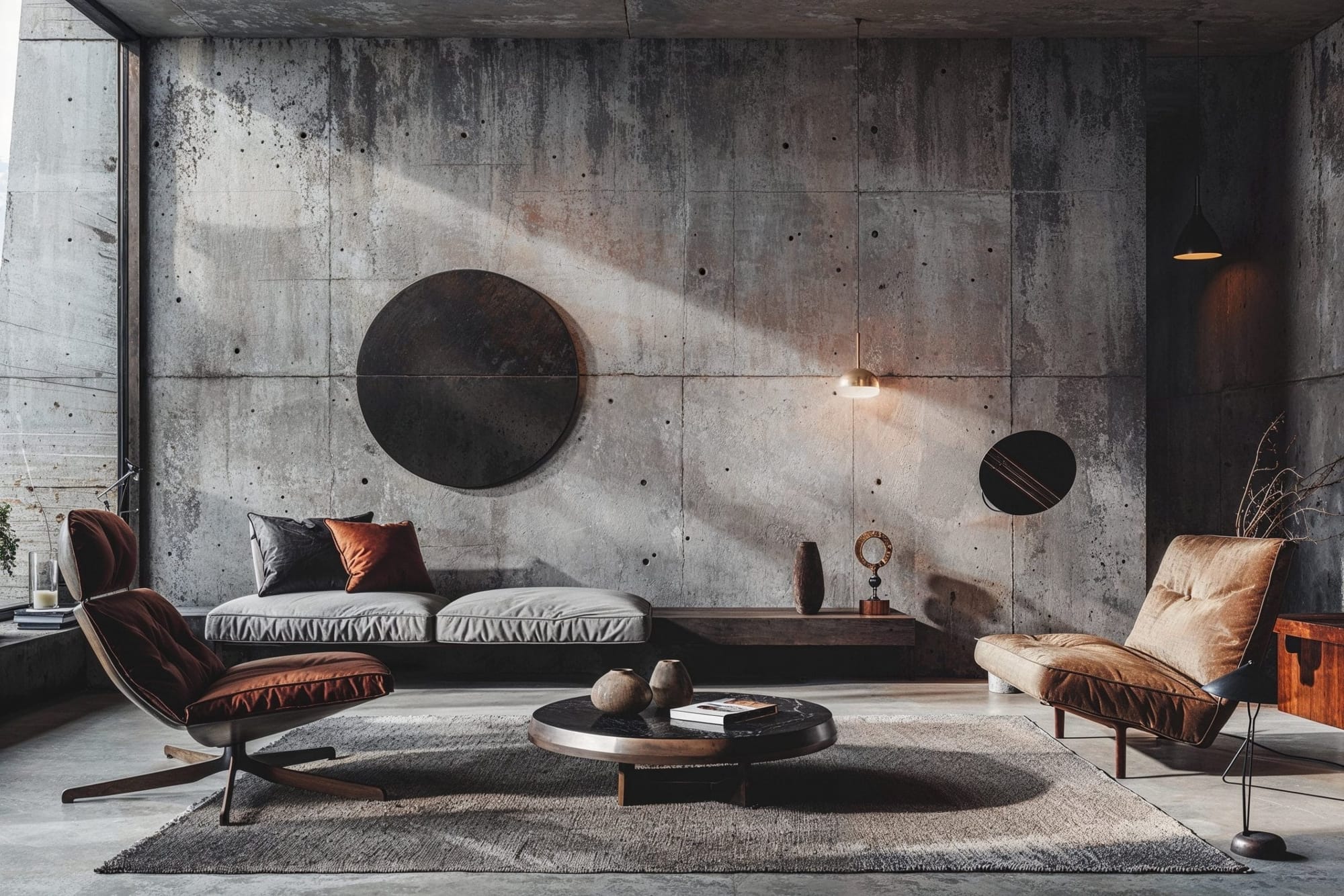
Yes. Quiet luxury applies to architecture, interiors, automotive design, hospitality and even editorial media. In each case, the focus shifts from spectacle to structure, from novelty to continuity.
Is quiet luxury more expensive?
Not always. While many quiet luxury objects involve high-quality materials and skilled production, the defining factor is not price but durability, relevance and long-term use.
Why do many luxury brands struggle with quiet luxury?
Quiet luxury reduces the role of immediate recognition, which historically supported brand-driven pricing and scale. This creates tension between long-term credibility and short-term visibility.
Can artificial intelligence replicate quiet luxury taste?
Artificial intelligence can analyse patterns and predict preferences, but quiet luxury depends on refusal, context and judgment developed over time. These elements remain difficult to automate convincingly.