Pushkarskaya Sloboda: Inside Suzdal’s Living Landscape
– 4 min read

“Russia cannot be understood with the mind alone.” — Fyodor Tyutchev
You do not arrive in Suzdal by accident. This is not a place one visits in passing or treats as a backdrop. Suzdal demands time, attention, and a certain inner stillness. For that reason, accommodation here is never a secondary decision. Where you stay becomes part of how the city reveals itself.
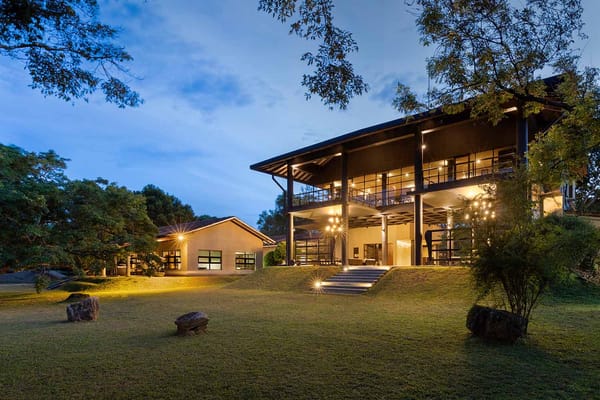
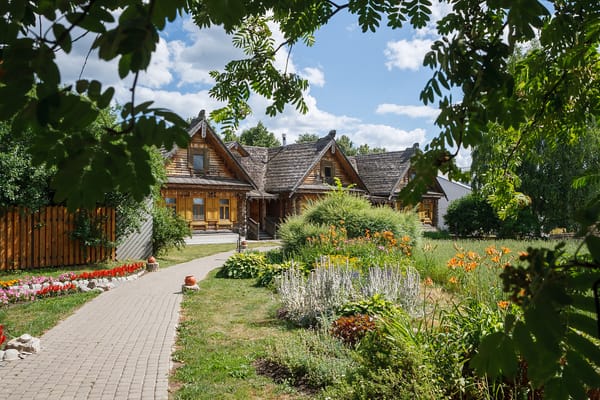
Pushkarskaya Sloboda feels less like a hotel and more like an extension of Suzdal’s living fabric. Located close to the historic centre yet operating at its own unhurried pace, the complex unfolds as a small settlement in itself: restored 19th-century buildings, wooden houses inspired by traditional Russian izbas, inner courtyards, pathways, and gardens. Nothing here imitates history; it simply continues it.
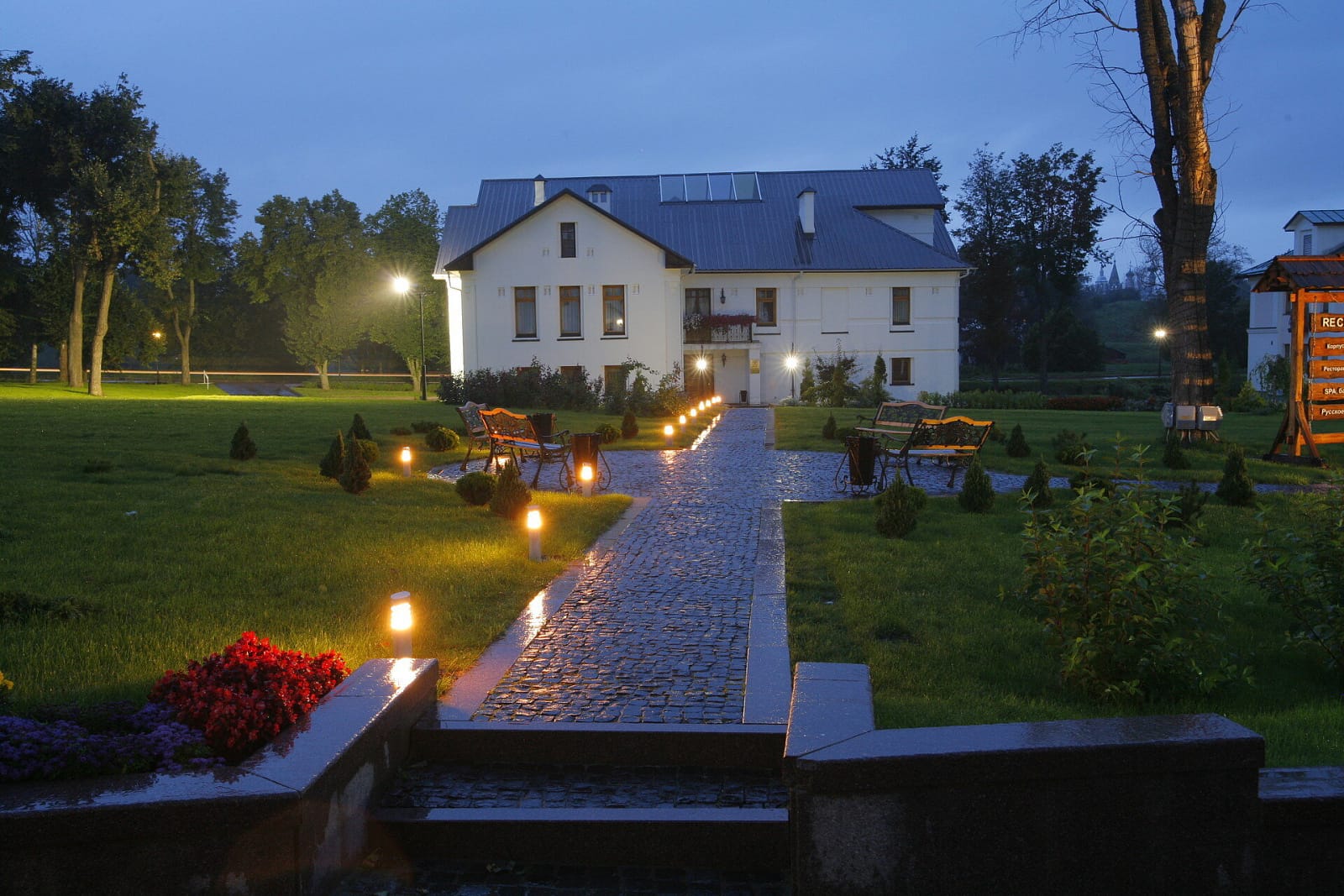
Suzdal does not tolerate artifice. Its atmosphere is too dense, too authentic to support staged nostalgia. Pushkarskaya Sloboda seems acutely aware of this. The architecture does not attempt to impress. Stone, wood, proportion, restraint — everything is calibrated to sit quietly within the city’s scale. There is no ornamental luxury, no theatrical recreation of the past. Instead, the place is built on respect — for material, for rhythm, for context.
The city around it moves to a different measure of time. Church bells mark the hours. Morning mist drifts over the Kamenka River. Houses remain low, the skyline uninterrupted. In winter, there is the smell of wood smoke; in summer, warm grass and river air. Pushkarskaya Sloboda does not interrupt this cadence — it aligns with it.
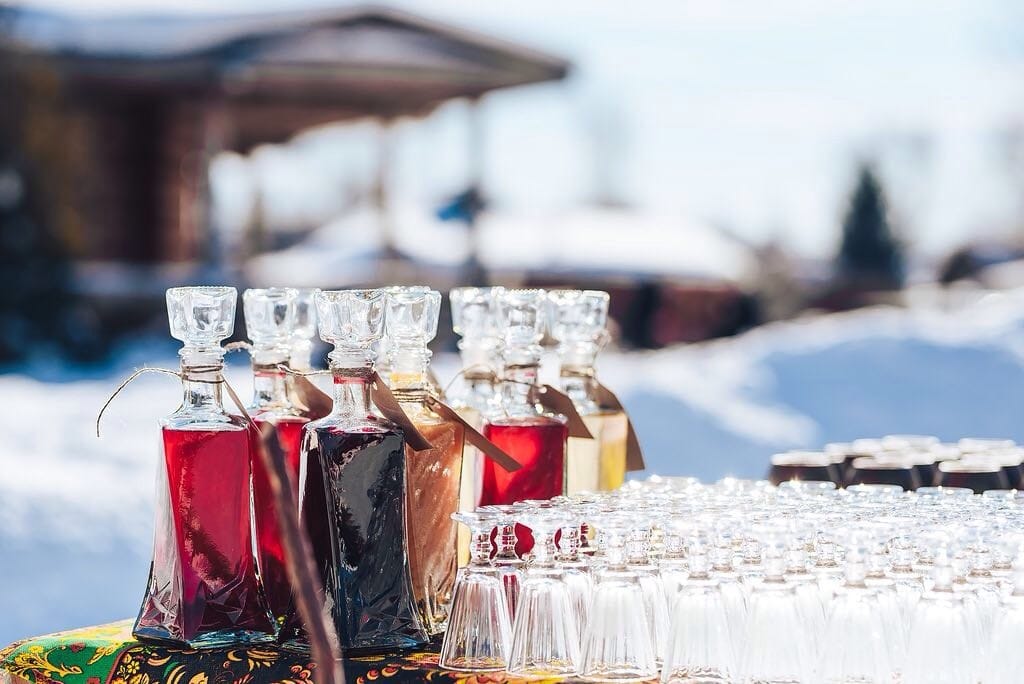
Gastronomy is where the hotel’s role in Suzdal becomes particularly evident. This is not a case of restaurants serving hotel guests alone. People come here to dine deliberately — from other hotels, from neighbouring towns, sometimes planning an entire trip around an evening at the table. In a region rich with dining options, such consistency of local loyalty is telling.
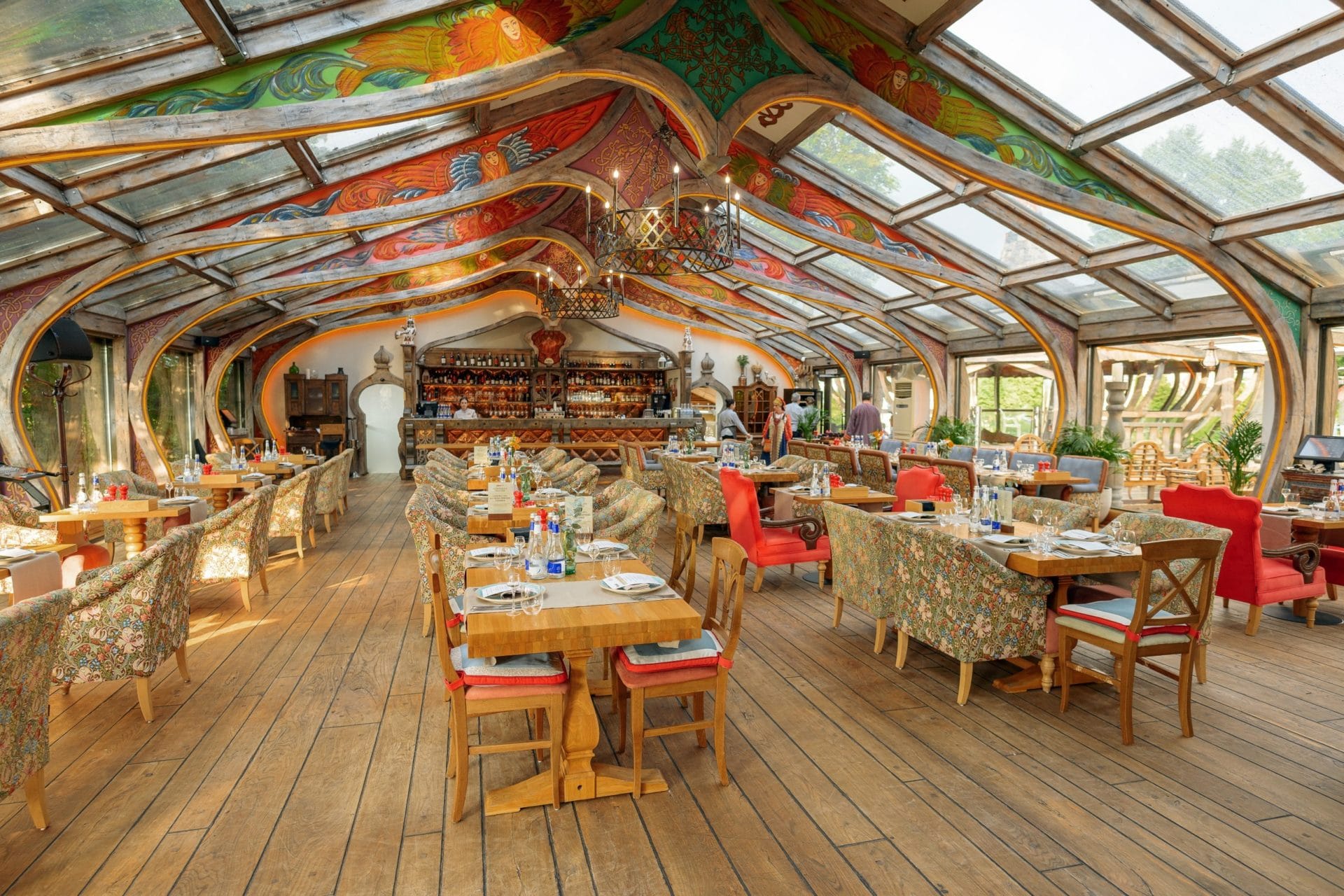
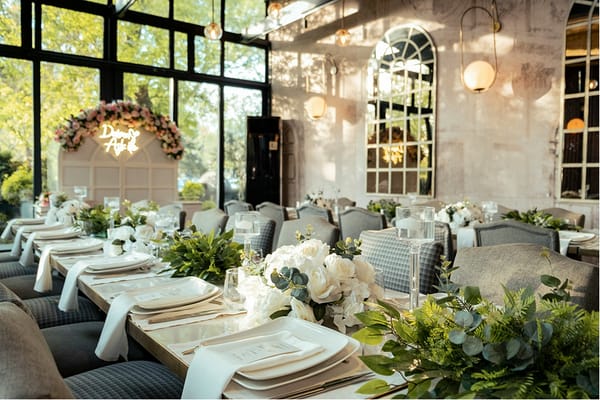
The flagship restaurant, Lepota, overlooks the Kamenka River and is widely considered one of Suzdal’s gastronomic landmarks. Its interiors are expressive yet controlled, referencing Russian decorative traditions without excess. The cuisine is confident, grounded, and remarkably clear in intent. Rather than relying on spectacle, it focuses on product, seasonality, and balance.
The philosophy of brand chef Kirill Sinichkin is evident throughout: preserve the original character of ingredients, avoid unnecessary intervention, allow flavour to speak for itself. This approach creates a sense of trust — the kind that turns a restaurant into a place of return rather than novelty.
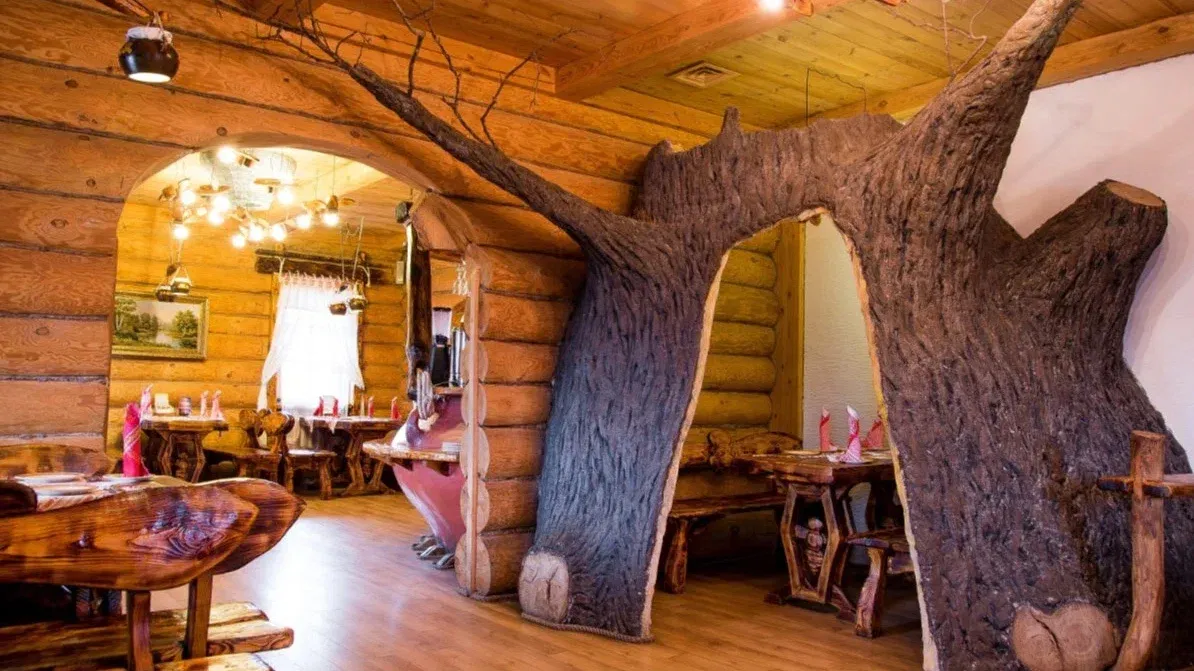
Other dining spaces across the complex offer complementary perspectives. Uley centres on traditional Russian cuisine, prepared with care and precision. Na Pinaikhe functions as a more event-oriented venue, suited to celebrations and gatherings. Vinaigrette operates as a lighter, daytime space — part café, part local pantry — with breakfasts based on regional produce. Together, they form a cohesive culinary ecosystem rather than competing concepts.
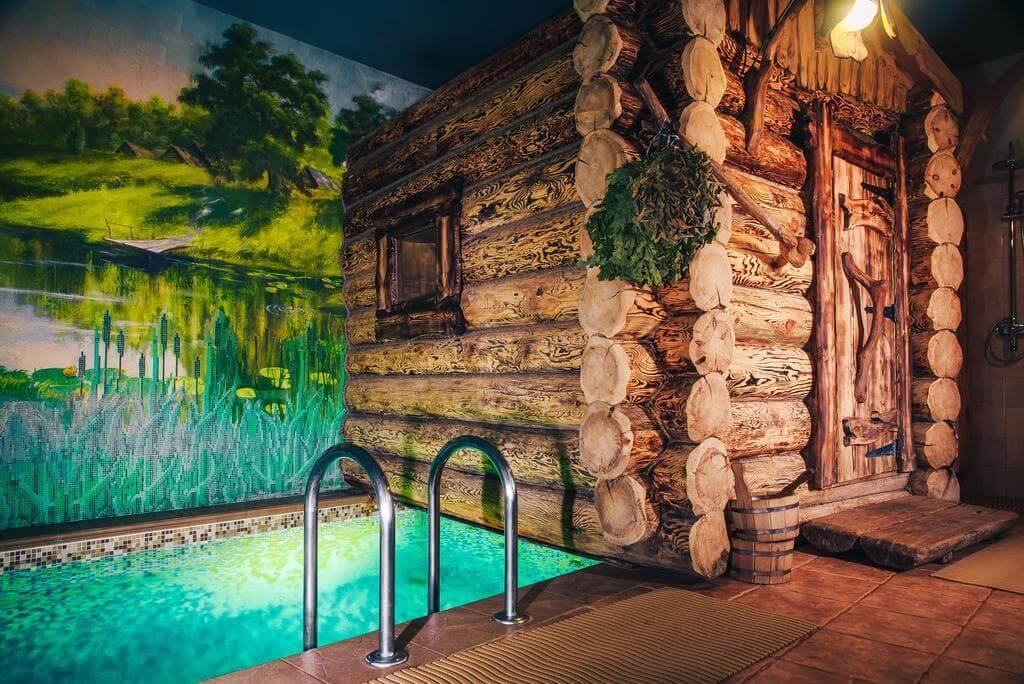
Wellness at Pushkarskaya Sloboda follows a similar philosophy. The spa and bath complex draws directly from Russian bathing traditions: steam, heat, cold water, rest. There is no abstract notion of wellness here — only practices rooted in climate, history, and ritual. For guests, access to the relaxation zone is included, reinforcing the idea that rest is integral rather than optional.
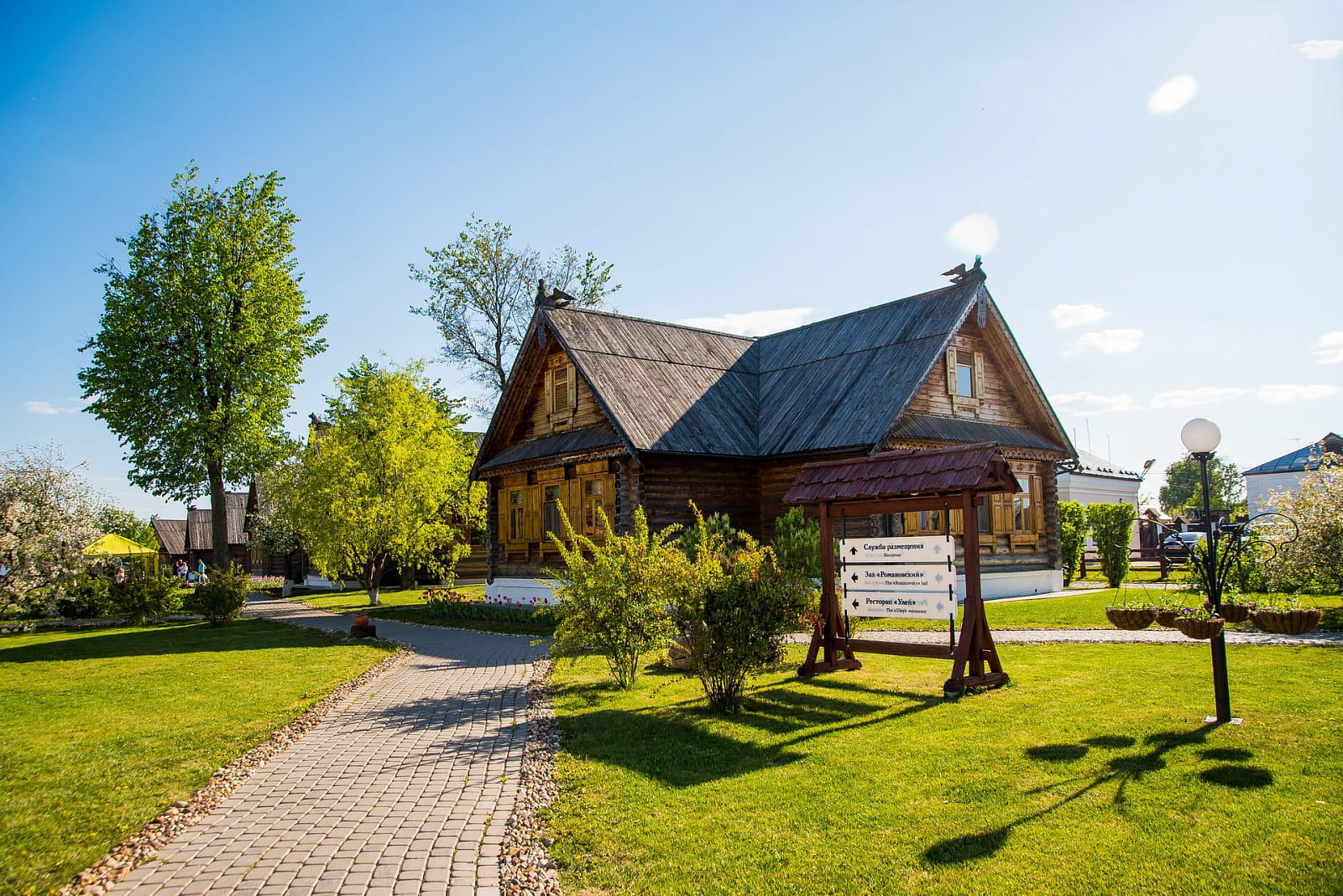
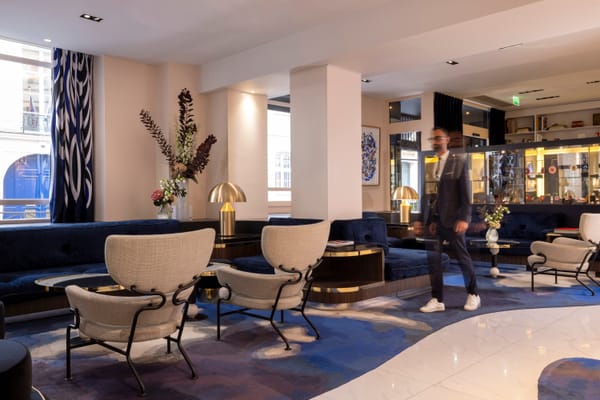
Accommodation is spread across different buildings, offering varied atmospheres. Some rooms occupy historic structures with high ceilings and parquet floors; others are located within the wooden houses of the Russian courtyard, where privacy and quiet feel particularly pronounced. Interiors are calm and functional, avoiding overt stylisation while remaining comfortable and considered.
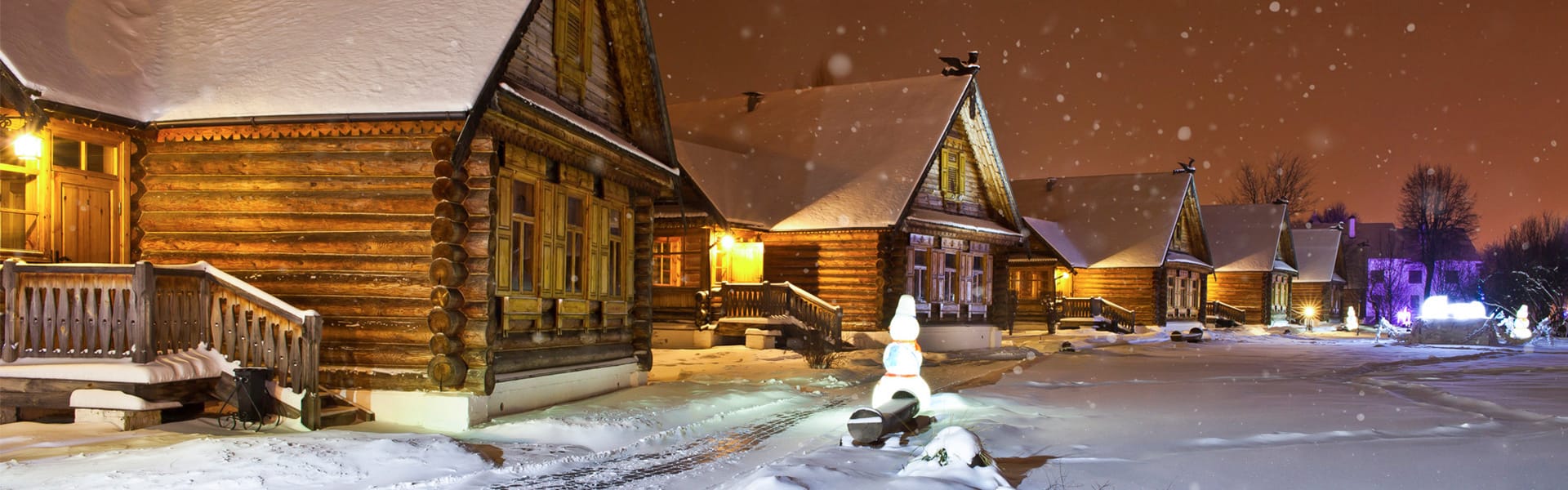
During national and religious holidays — Maslenitsa, Christmas, Trinity — Suzdal transforms into a living stage. Pushkarskaya Sloboda becomes one of the centres of these celebrations, hosting events, performances, and festive dining. Folk traditions appear naturally in décor, cuisine, and programming, not as performance, but as continuity.
Over time, it becomes clear that Pushkarskaya Sloboda is not about retreating from Suzdal, but about inhabiting it more fully. It offers proximity without intrusion, comfort without separation.
In a place where time feels layered rather than linear, the hotel’s strength lies in its steadiness. It does not chase trends or attempt reinvention. Instead, it holds its position — as a place where Suzdal does not pause for visitors, but quietly allows them in.