PR Agencies in London: How Luxury Hotels and Travel Brands Choose the Right Partner

– 7 min read


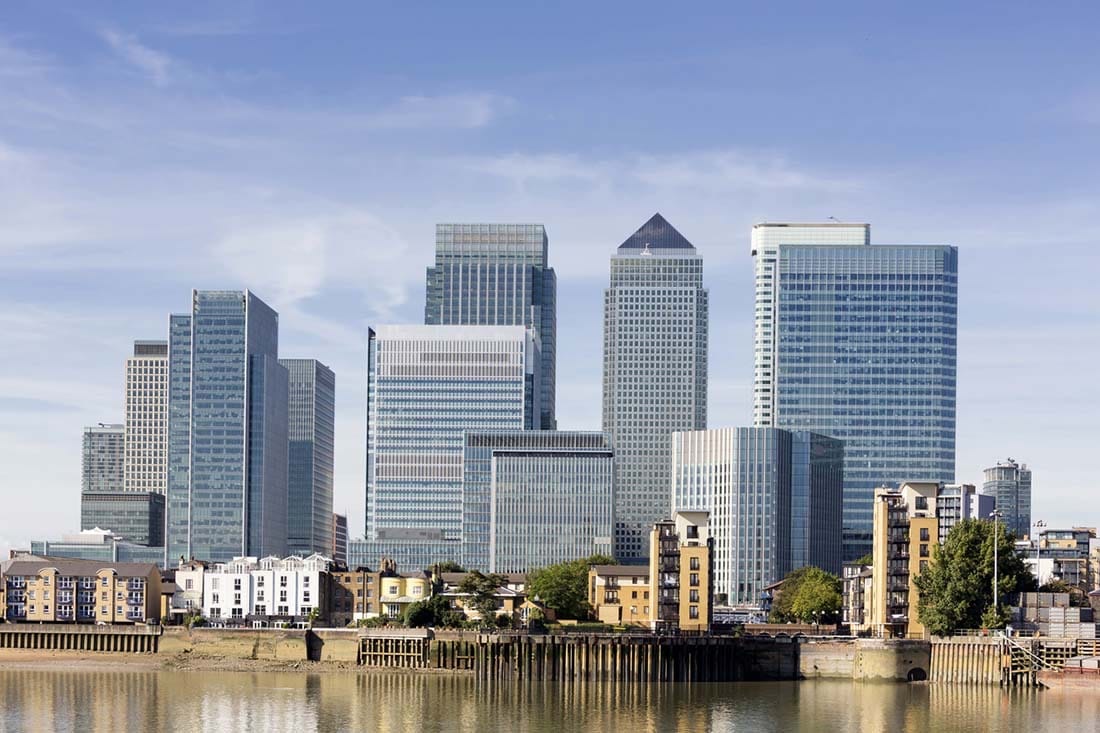
London remains one of the most influential PR markets for travel and hospitality because it combines three advantages: a dense media ecosystem, international brand access, and agency teams experienced in multi-market campaigns. As a result, many global hotel groups and destination brands build their European communications strategy around London-based agencies.

London is one of the most concentrated communications markets in the world. It hosts hundreds of international media outlets, regional headquarters of global corporations, and a dense network of specialised PR agencies operating across travel, hospitality, fashion, finance, and culture.
For global brands, London functions less as a local market and more as a strategic coordination hub. Campaigns managed from London are often designed for multi-country distribution, influencing visibility not only in the UK, but across Europe, the Middle East, and English-speaking markets worldwide.
This is reflected in consistent search demand for terms such as PR agencies London and best PR agencies in London. Brands search here because London offers three structural advantages:
For luxury hotels and high-end travel brands in particular, London-based PR agencies often act as long-term partners responsible for positioning, reputation, and sustained editorial presence.
For luxury hotels, PR in London typically covers five operational areas:
The strongest agencies do not focus on volume. They prioritise relevance, credibility, and repeatable visibility.

Luxury clients tend to shortlist agencies using criteria that look more like due diligence than marketing:

Below is a broader list that includes London specialists plus global agencies with a confirmed London presence.
In London, the relationship between a luxury brand and a PR agency is typically structured as a long-term collaboration, not a project-based service.
The process usually follows several stages:
In practice, brands work most successfully with agencies that operate as advisors, not distributors of press releases.
PR agency fees in London vary widely depending on sector, scope, and level of specialisation. Luxury travel and hospitality sit at the upper end of the market, due to the complexity and selectivity involved.
Most London PR agencies work on a monthly retainer basis rather than one-off projects.
Common ranges (indicative, not fixed):
Additional costs may include:
These are usually scoped separately.
Luxury brands are not paying for volume or guaranteed coverage. They are paying for:
In many cases, a single well-placed feature in a credible publication delivers more long-term value than dozens of short mentions.
Retainers allow agencies to build long-term media trust, which is essential in luxury sectors. Editors and journalists are far more responsive to agencies that represent brands consistently and selectively over time.
For this reason, luxury PR is rarely effective when approached as a short-term or transactional service.
In the luxury sector, PR results are rarely immediate. Initial visibility may appear within the first three to six months, but consistent editorial presence and clear brand positioning usually require a longer timeframe.
This is because luxury PR depends on editorial trust, not volume. Journalists and editors respond to agencies that demonstrate long-term understanding of a brand rather than short-term promotional intent. For hotels and premium travel brands, the most valuable outcomes often emerge gradually through sustained relationships rather than single placements.
PR remains relevant precisely because it operates differently from social media. While social platforms prioritise immediacy and engagement, PR focuses on third-party credibility, context, and long-form narrative.
For luxury brands, editorial coverage in trusted publications continues to shape perception among decision-makers, investors, and high-value audiences. PR provides the framework within which social media content is interpreted, ensuring that visibility is anchored in credibility rather than transient attention.
Selecting a PR agency in London is rarely a tactical choice. For luxury brands and hotels, it is a strategic investment in visibility, credibility, and narrative control.
The most effective agencies are not necessarily the largest or the most visible. They are the ones that understand sector-specific media, work selectively, and place brands in contexts that reinforce long-term positioning rather than short-term attention.
In a market as competitive as London, success in PR is defined by clarity of focus, editorial judgement, and the ability to operate across markets with discretion. For global luxury brands, this is precisely why London remains the reference point when choosing a communications partner.
PR agencies in London manage media relations, brand positioning, and reputation across UK and international markets. For luxury brands and hotels, this usually includes editorial placement, press office operations, strategic storytelling, and long-term visibility rather than short-term promotion.
London agencies operate within one of the world’s densest media ecosystems, with direct access to international business, travel, and lifestyle press. Many campaigns managed from London are designed for multi-country distribution rather than a single domestic market.
For luxury brands and hotels, London PR agencies are often used as a strategic hub rather than a local supplier. Their value lies in editorial credibility, international media access, and the ability to coordinate campaigns across Europe and the Middle East.
The most relevant agencies tend to specialise in travel, hospitality, and high-end lifestyle sectors, combining press relations with market positioning. “Best” in this context usually refers to sector expertise and media trust rather than agency size.
Luxury hotels typically evaluate agencies based on sector focus, quality of media relationships, writing and editorial judgement, international coordination capability, and experience working with comparable properties.
Success is increasingly measured through quality and longevity of editorial coverage, consistency of brand positioning, visibility in authoritative publications, and presence in AI-generated summaries, rather than reach or impressions alone.