Luxury Real Estate Trends 2025: Where Global Wealth Is Moving
– 4 min read

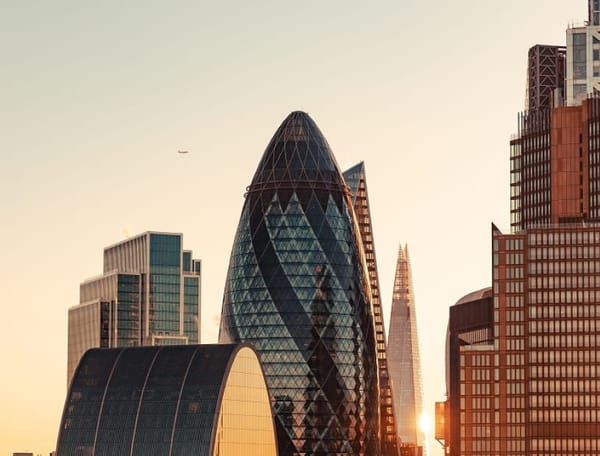
“Real estate cycles change, but the fundamentals of place, scarcity and long-term vision do not.” — Spencer Levy, Global Head of Research, CBRE
After a decade of rapid appreciation and compressed decision cycles, the global luxury residential market has entered a phase of recalibration. This is not a downturn, but a structural adjustment in which liquidity, taxation, operational logic and long-term relevance matter more than headline pricing alone.
For ultra-high-net-worth individuals (UHNWIs), property remains a capital anchor rather than a speculative instrument. What has changed is the geography of demand and the criteria by which value is assessed.
According to recent wealth research, UHNWIs continue to increase real estate allocations despite market volatility. Property offers tangibility, legal clarity and long-term capital preservation. However, acquisition strategies in 2025 reflect higher selectivity, longer holding periods and increased sensitivity to fiscal and regulatory frameworks.
The idea of a single dominant “prime market” has weakened. Demand is now distributed across jurisdictions combining political stability, tax efficiency and functional living standards.
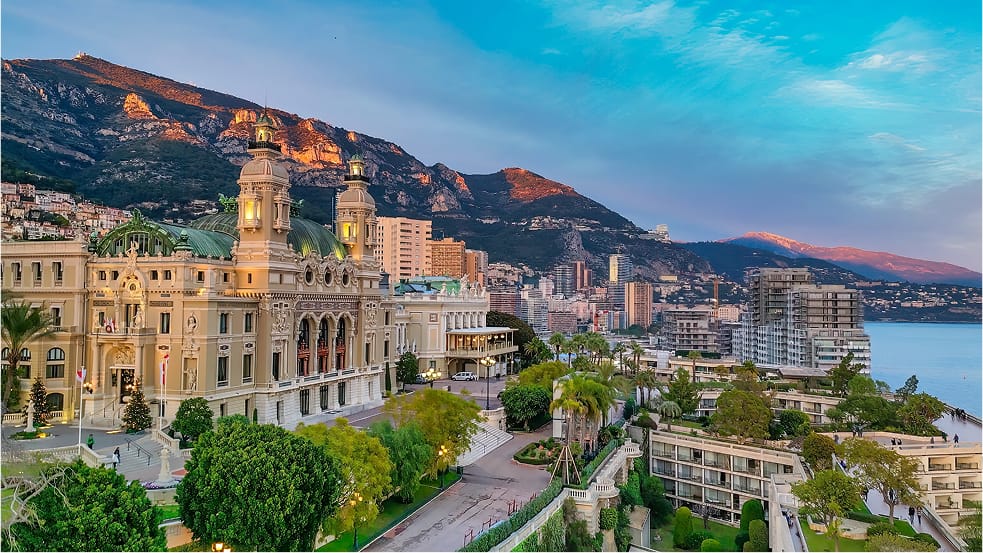
With average residential prices approaching €52,000 per square metre, Monaco remains the world’s most expensive residential market by entry price. This reflects permanent land constraints, limited new supply and persistent international demand.
Price dispersion within the principality is significant. Waterfront properties, newly delivered developments and apartments with long-term sea views trade well above the average, reinforcing Monaco’s role as a scarcity-driven reserve rather than a cyclical market.
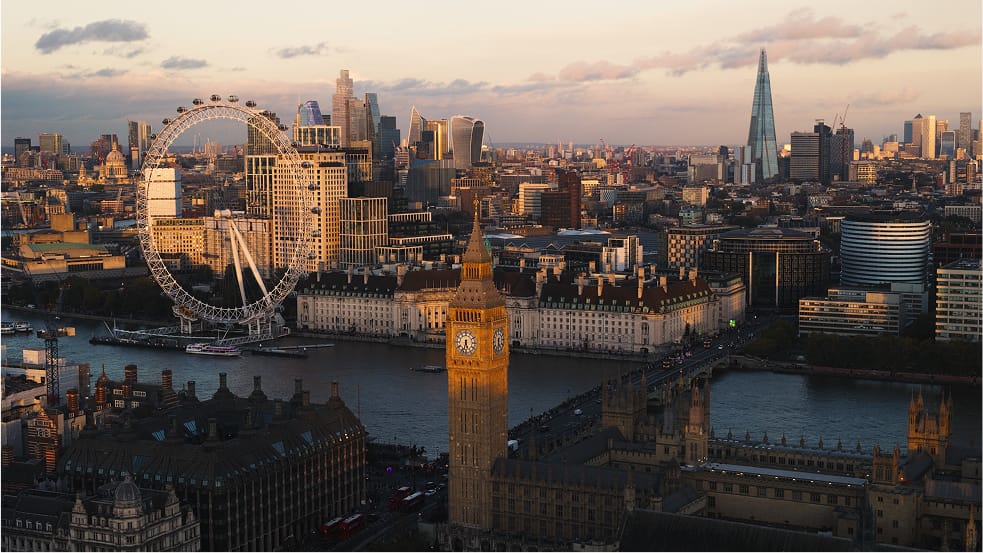
Prime central London has undergone visible repricing following the abolition of the UK’s non-domiciled tax regime in 2025. The change accelerated the exit of some internationally mobile owners, increasing inventory at the top end of the market and restoring negotiation margins.
Several transactions above £15 million closed at moderate discounts to asking prices, reflecting a more selective buyer pool. This adjustment has not weakened London’s long-term fundamentals; rather, it has reintroduced pricing discipline based on location, building quality and operating costs.
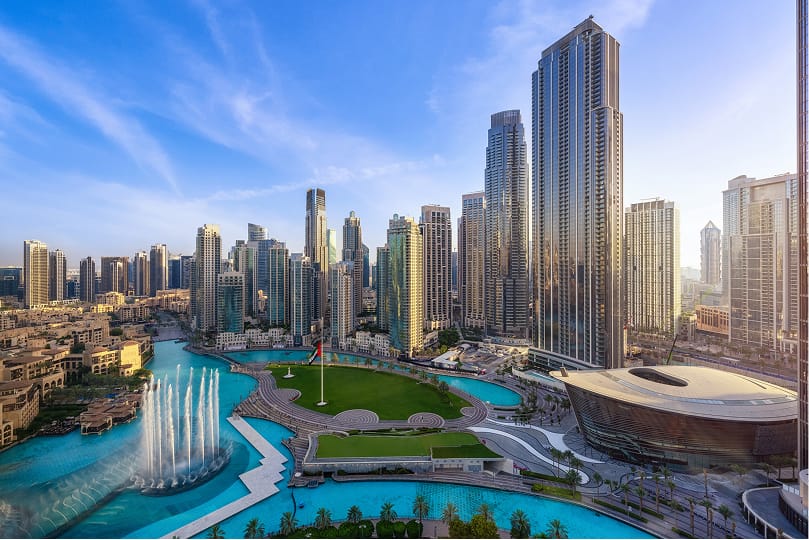
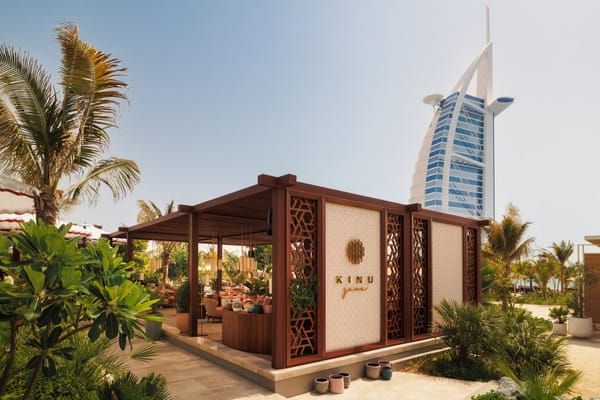
Dubai has consolidated its position as one of the most liquid luxury residential markets globally. In 2024, more than 430 homes priced above $10 million were sold, exceeding the combined total of New York and London (Knight Frank).
The appeal is structural: zero income tax, residency programmes linked to property ownership, and comparatively high rental yields, typically ranging between 5% and 9% (CBRE). Waterfront developments continue to attract capital focused on both lifestyle use and income generation.
At the same time, Fitch Ratings has highlighted the potential for a moderate correction should new supply outpace population growth. The market is shifting from acceleration to consolidation, where asset selection matters more than timing.
Beyond UHNWIs, a growing cohort of equity-rich buyers has entered the lower tier of the luxury segment. In the United States, residential price growth of approximately 47% over five years has created substantial housing equity, enabling move-up purchases.
UBS refers to this group as “Everyday Millionaires”: asset-rich households whose purchasing decisions prioritise turnkey condition, energy performance, integrated technology and predictable operating costs. For these buyers, property represents achieved financial security rather than inherited status.
Average new-build home sizes in mature markets have declined slightly since 2022. This reflects preference rather than constraint. Buyers increasingly favour efficient layouts, lower maintenance requirements and managed services over expansive estates.
Luxury, in this context, is defined by usability and resilience, not scale alone. Portfolio ownership across multiple cities has reduced the appeal of oversized primary residences requiring year-round staffing.
Wellness-oriented design has moved from optional to standard. Circadian lighting systems, advanced air filtration, humidity control and acoustic planning are now baseline expectations in premium developments.
Smart home technology functions as embedded infrastructure. Climate control, lighting, security and energy management systems are expected to operate discreetly, integrated at the architectural stage rather than added retrospectively. According to CBRE, more than half of buyers in developed markets expect advanced automation as standard by 2025.
The concept of a single primary residence continues to erode among globally mobile buyers. Seasonal ownership, supported by residency-by-investment programmes, allows real estate to function as both a physical asset and a legal instrument.
In this framework, property supports mobility, tax planning and lifestyle flexibility, reinforcing its strategic role within diversified portfolios.
The current phase of the luxury real estate cycle rewards discipline. Inventory levels have increased in several markets, restoring buyer choice and reinforcing the importance of fundamentals.
Dubai may experience selective moderation, London is attracting value-driven capital, and Monaco’s scarcity remains structurally intact. Across regions, demand concentrates on assets combining legal clarity, architectural quality and long-term relevance.
1. What defines luxury real estate value in 2025?
Scarcity, legal stability, operational efficiency and long-term liquidity.
2. Why does Monaco remain the most expensive market?
Permanent land constraints and sustained international demand.
3. Is London losing its relevance?
No. It is repricing following tax reform, not structurally weakening.
4. Why is Dubai attracting global capital?
Liquidity, favourable tax conditions and strong rental yields.
5. Are cash purchases still common?
Yes. Roughly one-third of luxury transactions are cash-based.
6. What role does technology play today?
It is expected infrastructure, not a differentiator.
7. Does sustainability affect pricing?
Increasingly so, as energy efficiency and operating costs influence long-term value.