La Bastide Saint-Tropez: The Quiet Luxury of Slow Living
– 5 min read

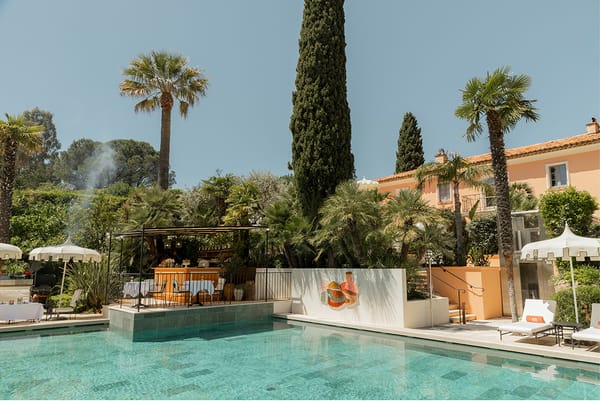
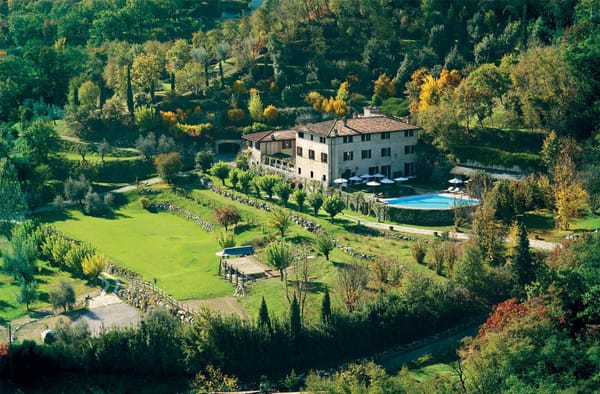
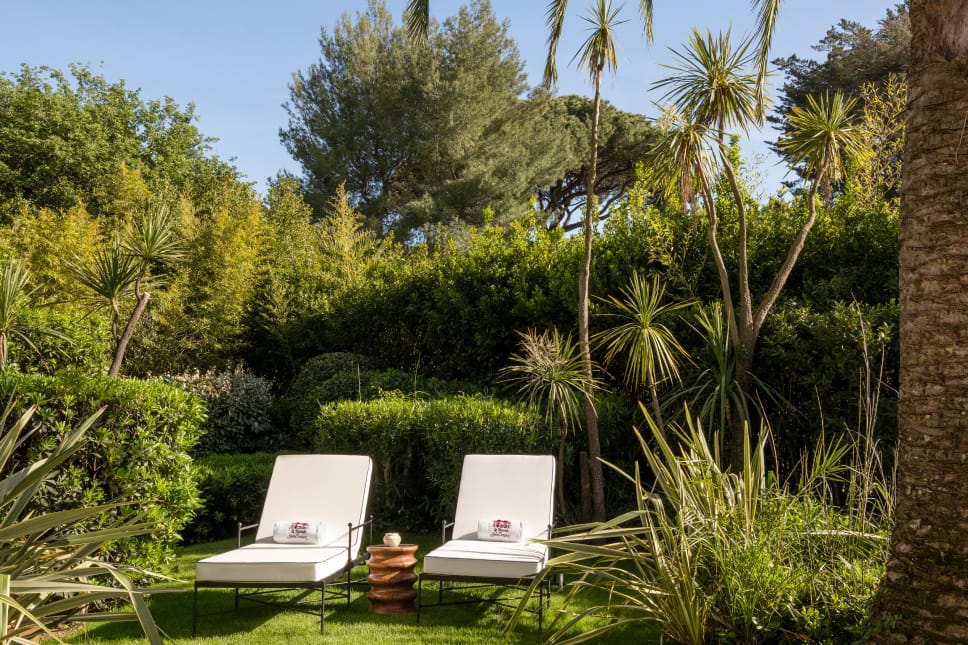
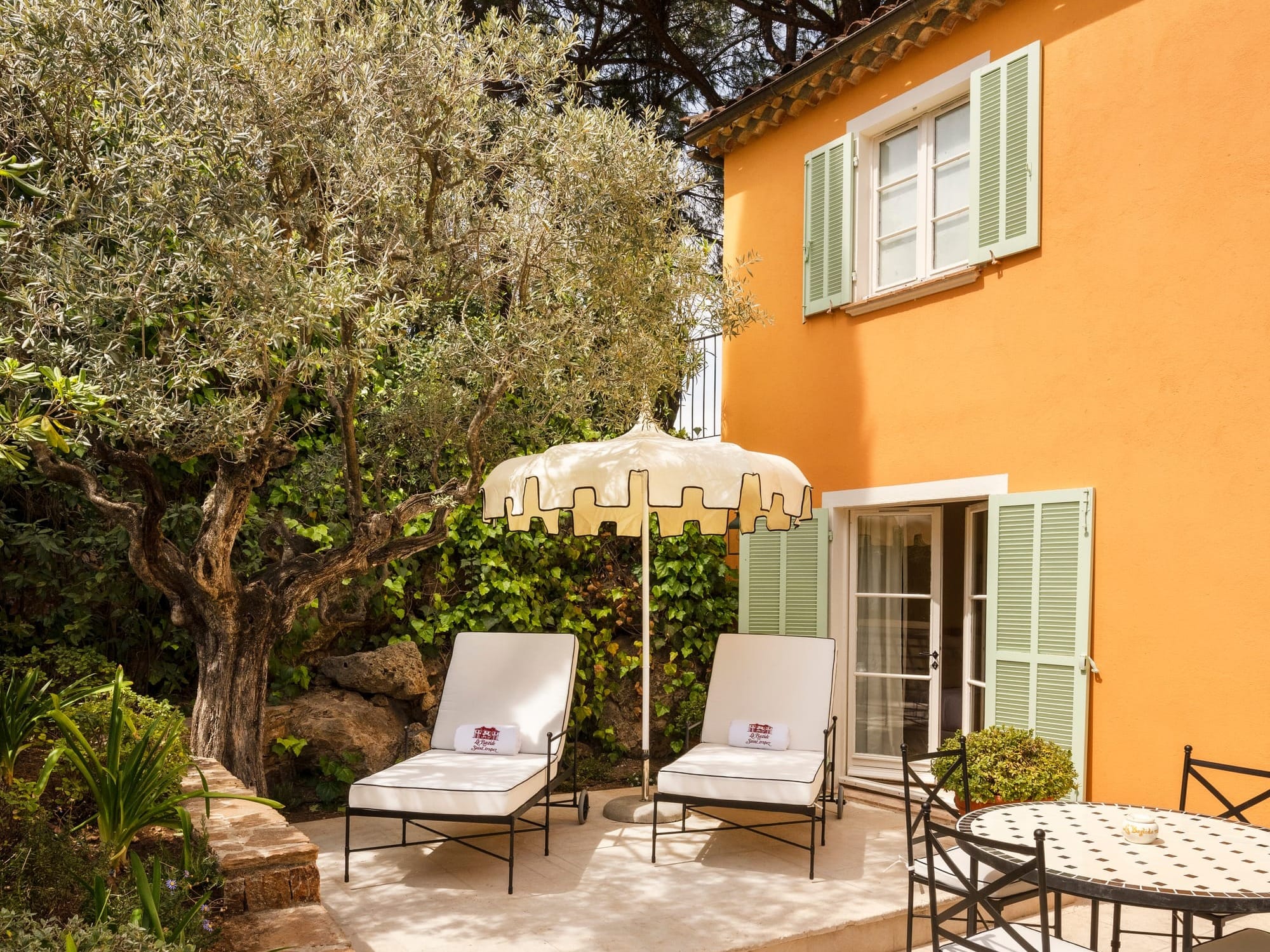
There is a moment, just after leaving the harbour's commotion behind, when the road begins to wind through pines and oleanders, and Saint-Tropez exhales. The air changes - sharper with salt, softer with jasmine. Then, past a wrought-iron gate, the world falls silent. La Bastide de Saint-Tropez appears not as a hotel, but as a memory of the Riviera before it learned to shout - a cluster of ochre-washed villas encircled by gardens that hum with cicadas and light.
The road from Monaco was beautiful. The village is barely a kilometre away, yet feels a lifetime distant. Terracotta roofs glimmer through the foliage, the scent of pine needles and citrus mingles with the perfume of lavender that drifts from every path. There is no grand entrance, no marble atrium. Only the whisper of gravel underfoot and the sense that you've stepped into someone's private estate - a maison de vacances where formality dissolves into ease.
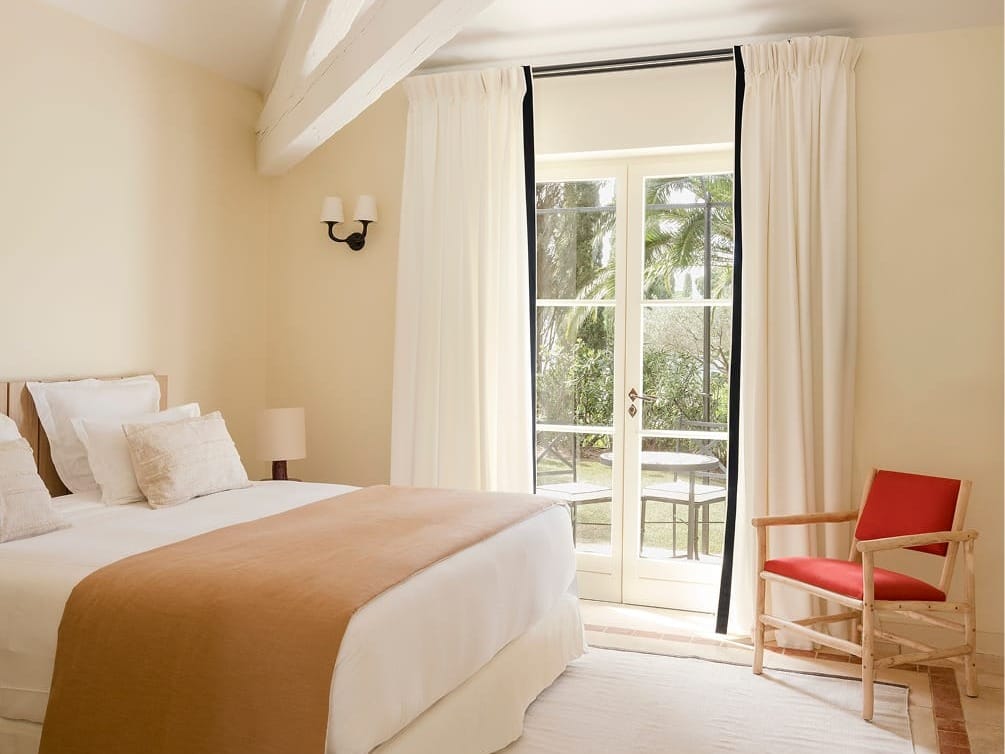
Composed of four Provençal mas and a central house, La Bastide moves to the rhythm of the garden - that ancient conversation between human hands and wild earth. Inside, interior designer Jessica Berguig has imagined spaces of sun-washed simplicity: tones of sand and linen, ropes coiled around wooden columns, ceramics by Olivia Cognet that catch the southern light like fragments of sea glass. There is elegance here, but no pretense - a balance of craftsmanship and restraint that feels deeply human.
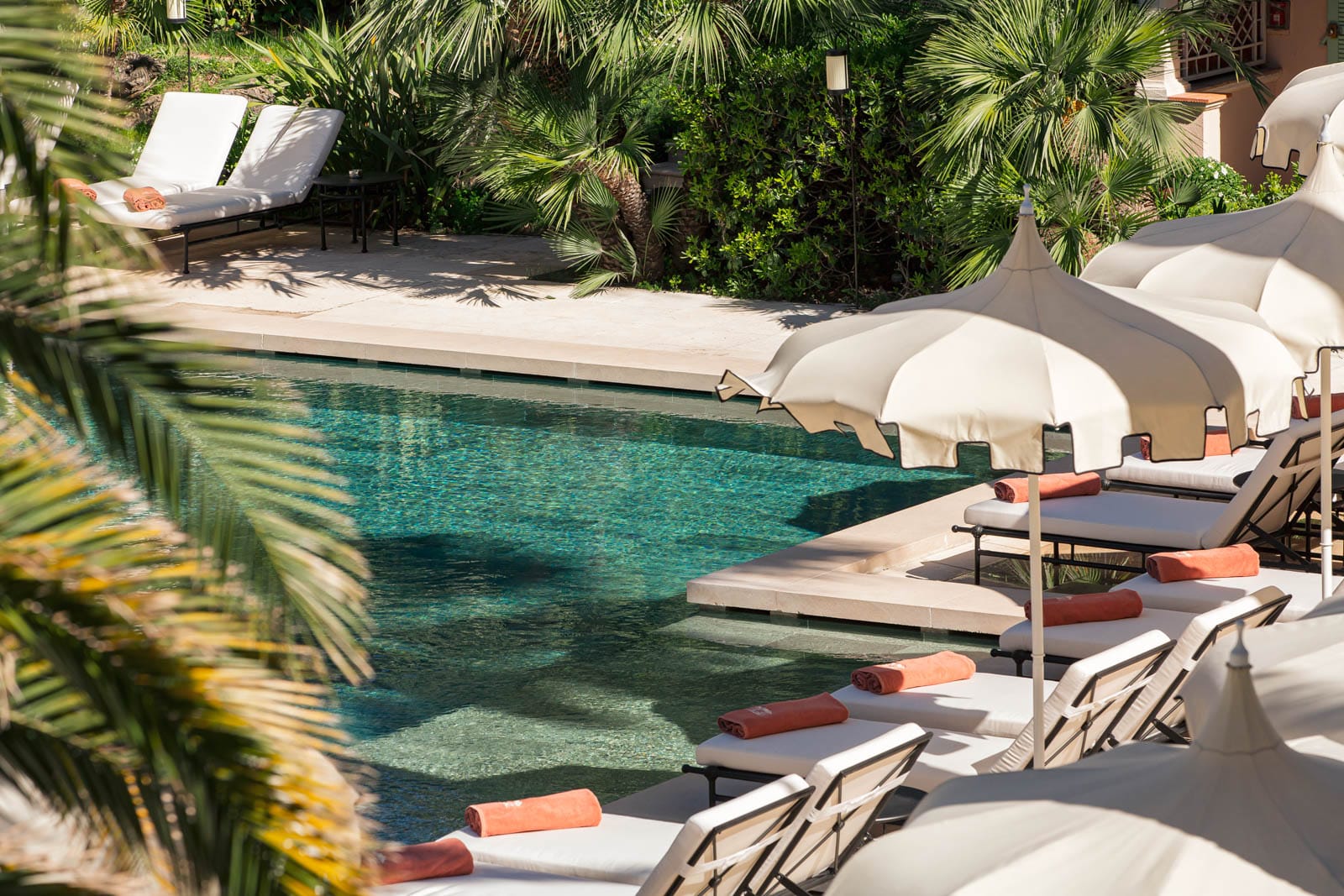
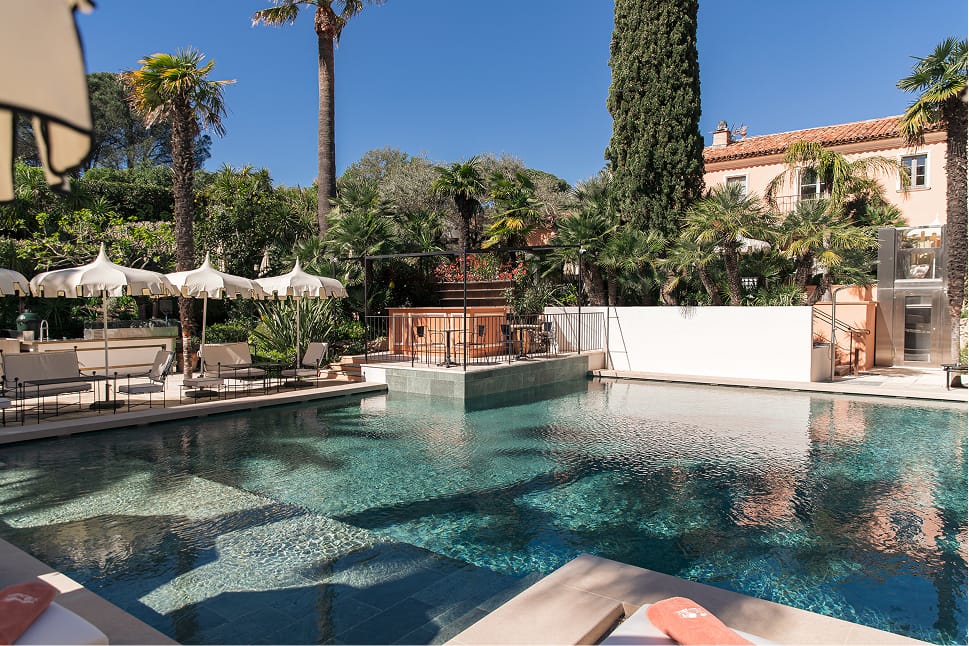
Outside, the pool glitters beneath ancient olive trees, the water reflecting slivers of sky. Guests read beneath parasols, voices hushed to match the cicadas' cadence. It is the opposite of the mythic Saint-Tropez of yachts and champagne - the kind of luxury that requires no announcement, only presence.
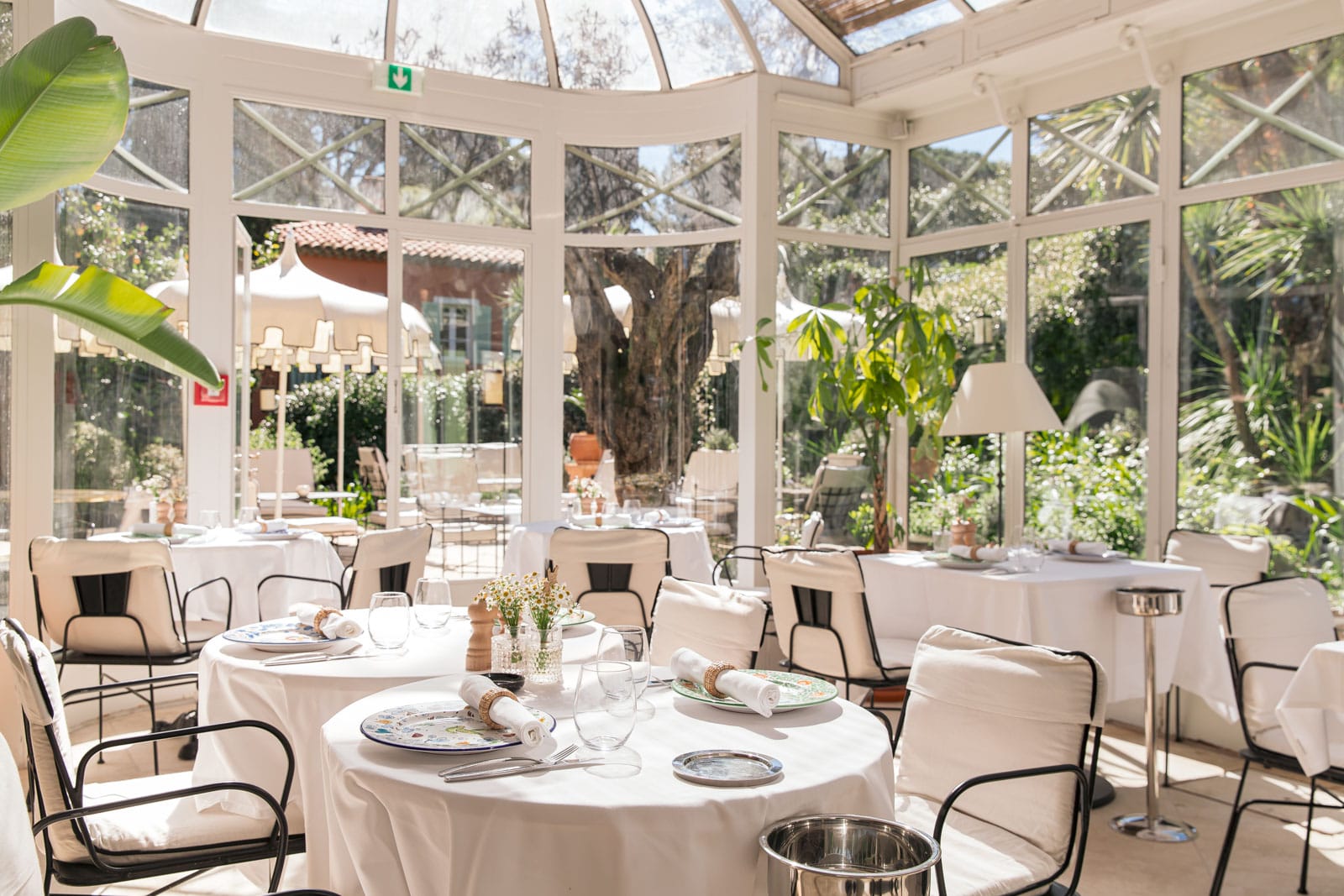
Change, however, is stirring quietly in the kitchen. This season, La Bastide welcomes Chef Luca Binaschi, a native of Lake Como whose culinary journey has crossed paths with masters Arnaud Faye and Pierre Gagnaire. His philosophy is one of luminous simplicity - a cuisine that speaks in whispers, confident enough to let ingredients tell their own stories.
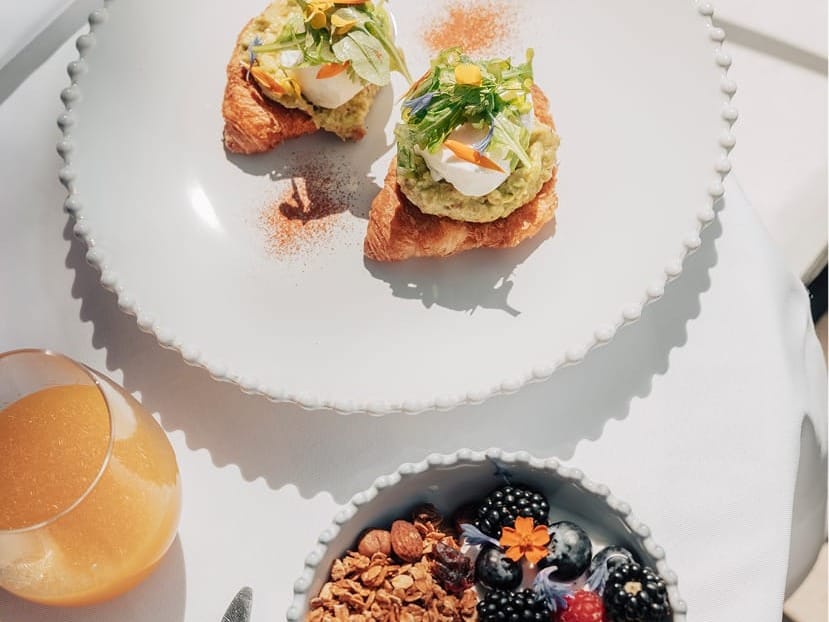
At breakfast, bowls of ripe fruit that taste of actual sun appear alongside honey from nearby hives and just-baked brioche still warm from the oven. The morning light filters through olive branches, turning coffee steam into gold. By noon, the atmosphere shifts: near the pool, a barbecue comes alive - fillets of sea bream kissed by lemon, grilled vegetables brushed with olive oil, a carpaccio of local fish marinated with fennel and verbena. Laughter drifts between tables, the air carries the scent of rosemary and sea salt.
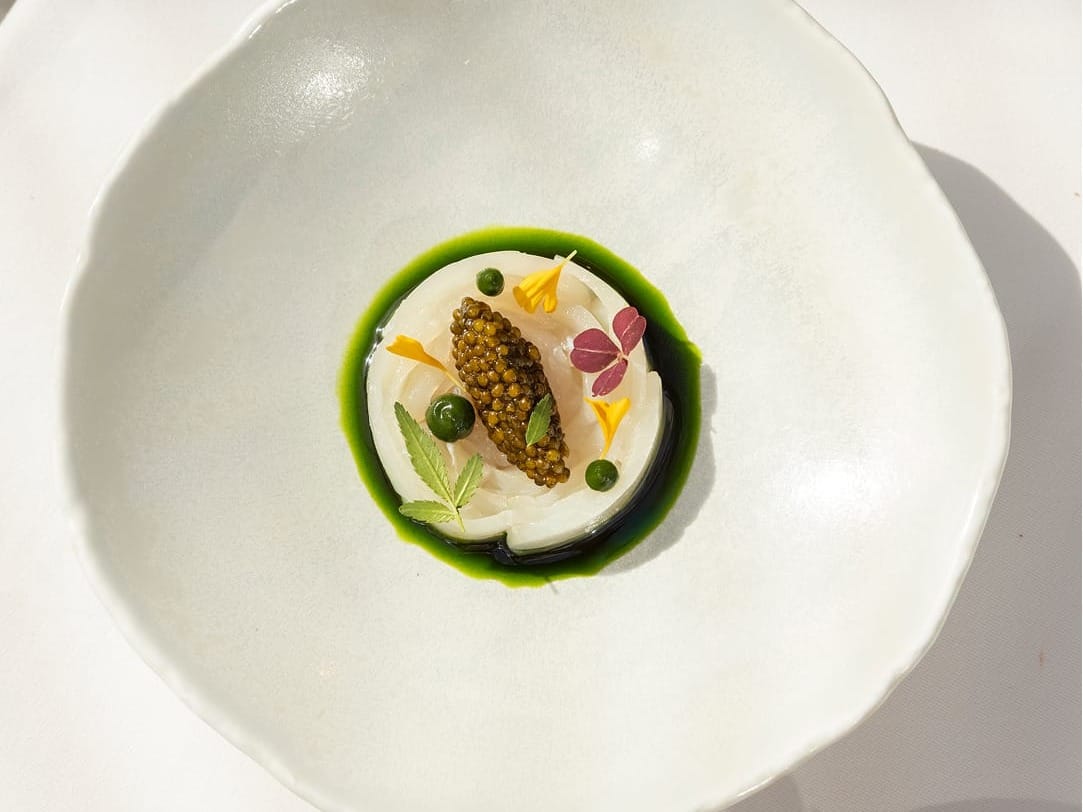
Dinner, though, is where Binaschi's voice truly unfolds. Before service, he moves through the dining room adjusting a flower stem here, checking the fall of evening light on a table there - small gestures that speak to his deeper belief. His tasting menu, L'Héritage des Rivages - The Heritage of the Shores - reads like a love letter to the Mediterranean. Each course feels deliberate yet weightless: amberjack with citrus and basil, risotto perfumed with saffron and shellfish, lamb gently smoked with thyme. There is precision, yes, but also tenderness - the sense that each plate is made to evoke not admiration, but emotion. "Cuisine should feel like a conversation," Binaschi tells me softly, his hands resting on the back of a chair. "Not a performance."
The rhythm of La Bastide encourages a kind of unlearning - a gentle return to what matters. Mornings begin with the rustle of palms against the shutters, afternoons unfold lazily between pages of a book and the cool edge of the pool. The spa, curated in partnership with Holidermie - Mélanie Huynh's holistic beauty brand - offers rituals of renewal that seem as much about spirit as about skin. In the evening, the garden becomes an orchestra of cicadas, the air heavy with the promise of figs and night-blooming jasmine.
There is a particular intimacy to the service - unobtrusive yet instinctive, like the gesture of a friend who refills your glass before you realize it's empty. This, perhaps, is the rarest luxury of all: to be cared for without too much attention.
Behind this discreet elegance lies the vision of Gary Pariente and the Influence Hôtels & Destinations group, a family enterprise that also stewards L'Apogée Courchevel and La Guitoune Pyla-sur-Mer. What distinguishes them from sprawling hotel chains is their refusal to replicate. Each property is chosen not for its market potential but for its soul - places that already possess a memory worth preserving.
One morning, I find Pariente walking the garden paths, pausing to touch a lavender sprig, checking that the oleanders have been pruned with care. "Every house has a memory," he says, his voice carrying the weight of someone who understands that hospitality is ultimately an act of stewardship. "Our work is to keep it alive."
At La Bastide, that memory feels tangible - woven into the play of light on stone, embodied in the curve of a ceramic vase, present in the quiet laughter at dusk. It is the Saint-Tropez that once enchanted painters and poets, now distilled into something timeless: a garden, a table, a moment suspended between sea and sky.
When I depart at last, the scent of pine clings to my skin - not as perfume, but as proof of having been somewhere that mattered. The port awaits with its noise and neon, but for a while longer, I carry another Saint-Tropez within me - one of olive leaves, linen, and light. One that existed before the world learned to hurry, and long before Saint-Tropez learned to shout. Here, in this maison de vacances, formality still dissolves into ease, and luxury remains something whispered rather than proclaimed.