Krasota Dubai: Art as Culinary Theatre
– 4 min read

Beauty can unite and change the world.
This phrase, at the heart of Krasota’s philosophy, stays with you after the evening ends. It is not presented as a slogan, but as a statement of intent. And one dinner here invites you to consider it seriously.
I’ll admit it — I was one of those who kept Dubai at arm’s length. The synthetic city, the manufactured luxury, the glitter without depth. Fair enough. But that evening, stepping back into the night, I found myself reconsidering. Dubai functions as a testing ground where ambitious ideas are realised at scale, and concepts that might struggle elsewhere find room to unfold. Krasota is a clear example of that.
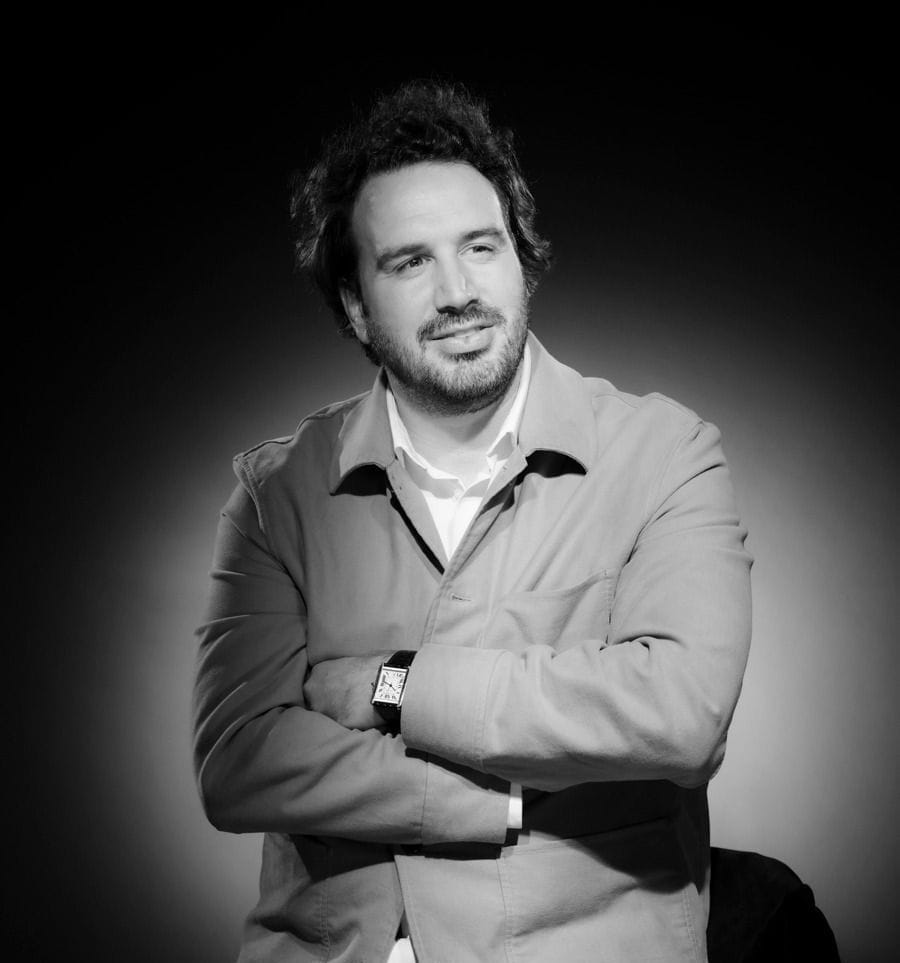
Krasota — “beauty” in Russian — was created by chef Vladimir Mukhin, film director and co-owner Anton Nenashev, and Boris Zarkov, founder of White Rabbit Family, a restaurant group with more than twenty-five projects internationally. The concept originated in Moscow before being introduced to the Emirates, where it has taken on a new dimension.
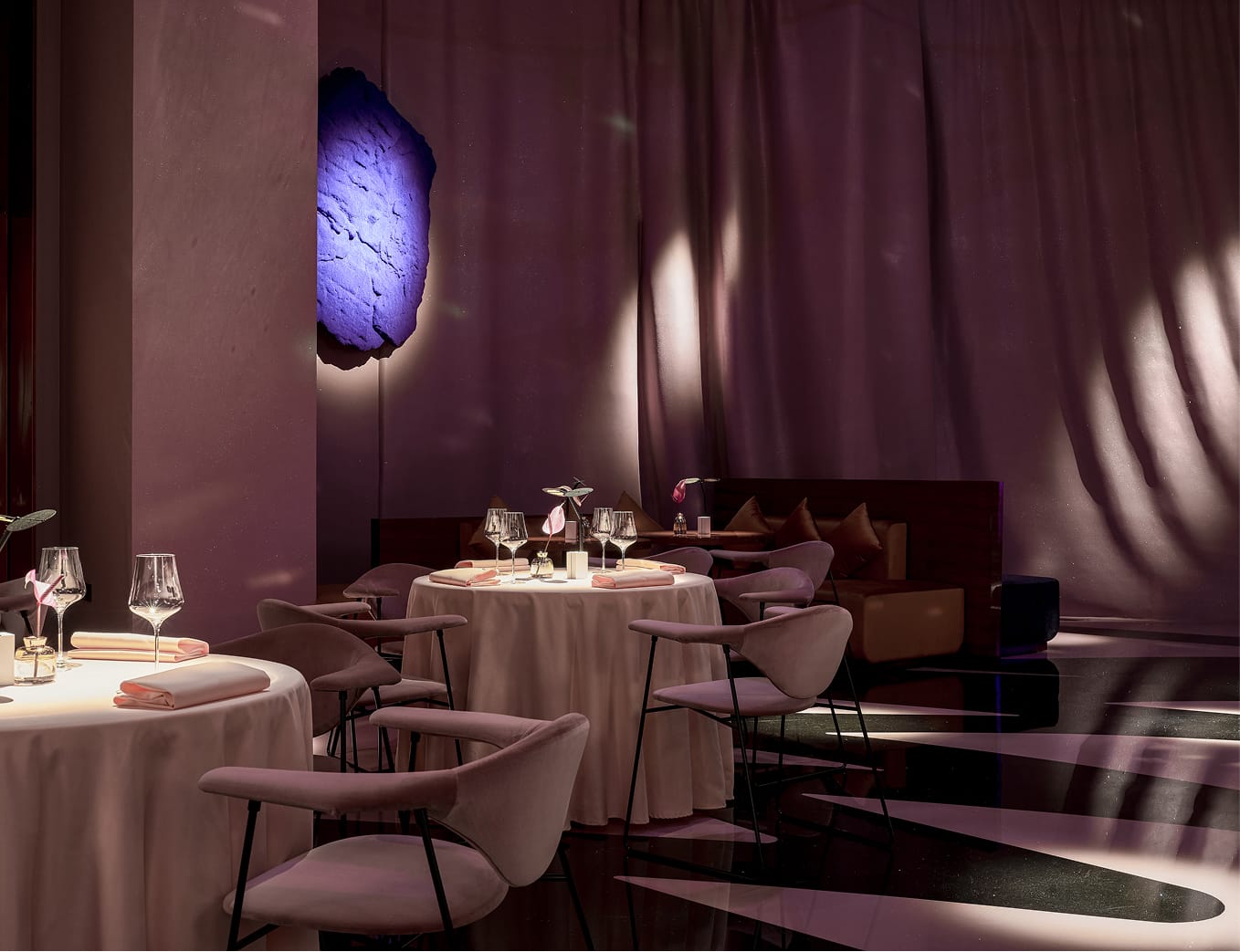
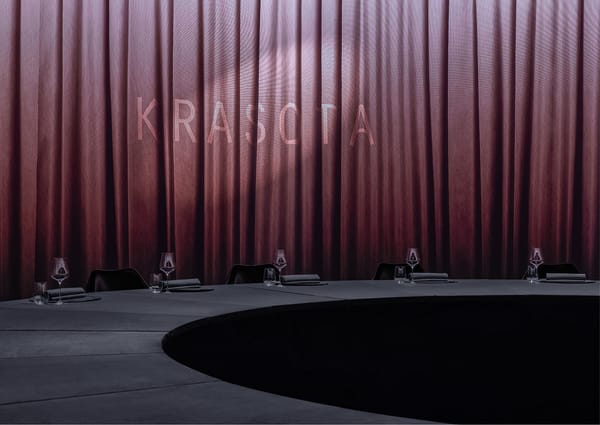
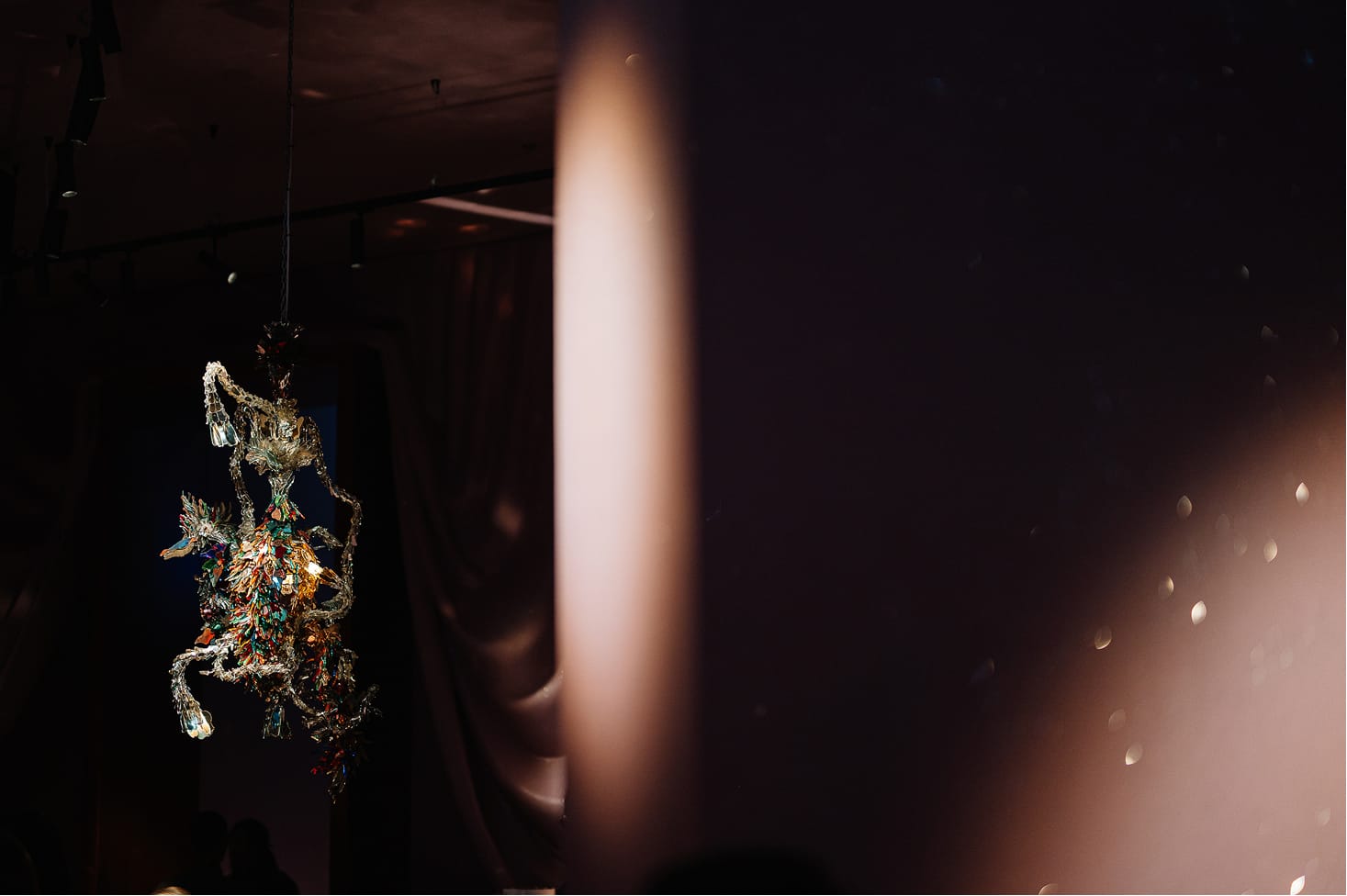
Located on the ground floor of the Address Downtown Hotel, steps from the Burj Khalifa, Krasota welcomes only twenty guests per seating. The limited number defines the rhythm of the evening. It creates intimacy and focus. From the first moments — amuse-bouches on arrival, a welcome drink, lighting that gradually shifts — it becomes clear that this is not a conventional restaurant format. Krasota operates as a staged dinner. A structured performance built around cuisine.
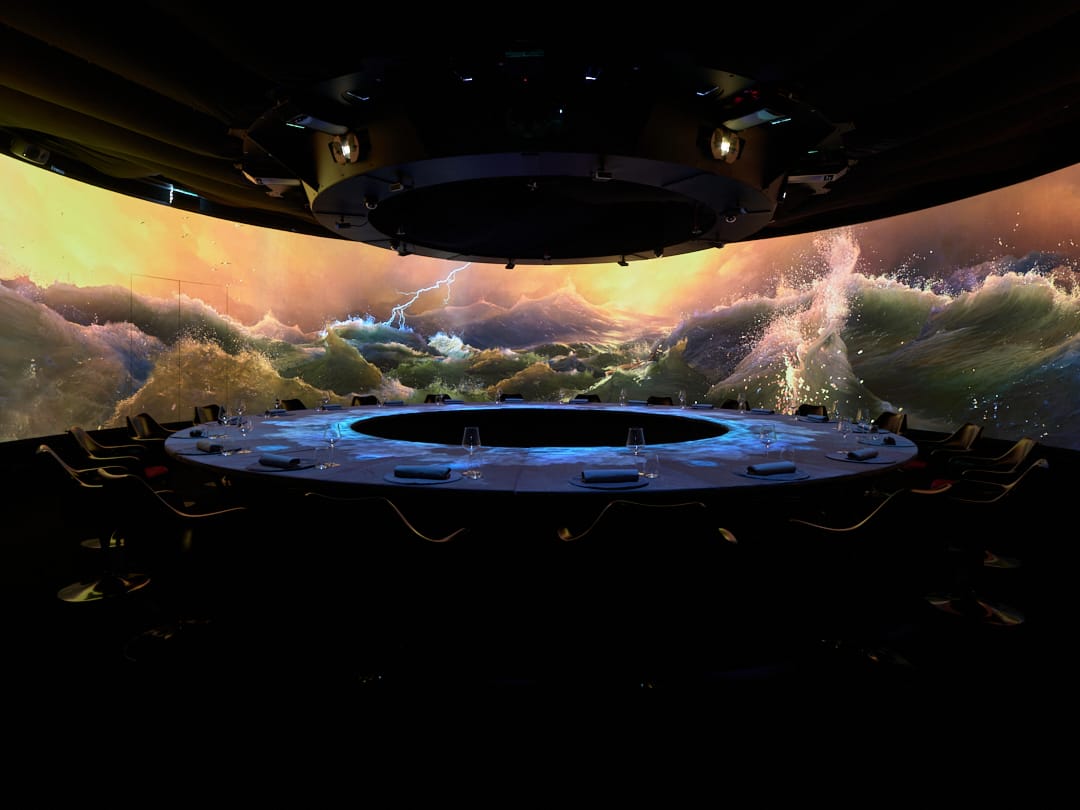
Tonight’s programme is titled Imaginary Art. Each course is dedicated to a Russian painter. Their works — Aleksandr Deyneka, Kuzma Petrov-Vodkin, Ilya Repin, Mikhail Vrubel, Marc Chagall, Nicholas Roerich, Ivan Aivazovsky and Kazimir Malevich — unfold across the circular walls as their culinary counterparts are served. The room darkens. The walls begin to move.
Digital projections extend across the circular space, not as decoration but as atmosphere — colour fields, fragments of composition, gestures in motion. The dish arrives quietly, almost secondary at first glance, until the connection becomes evident. The dialogue between projection and plate is subtle, built on mood rather than imitation.
The opening courses feel restrained — acidity, mineral notes, clean textures. Peach sashimi with pickled blackcurrant buds carries a quiet sharpness. Tuna with red currant and rhubarb milk plays with contrast — bright, precise, almost architectural.
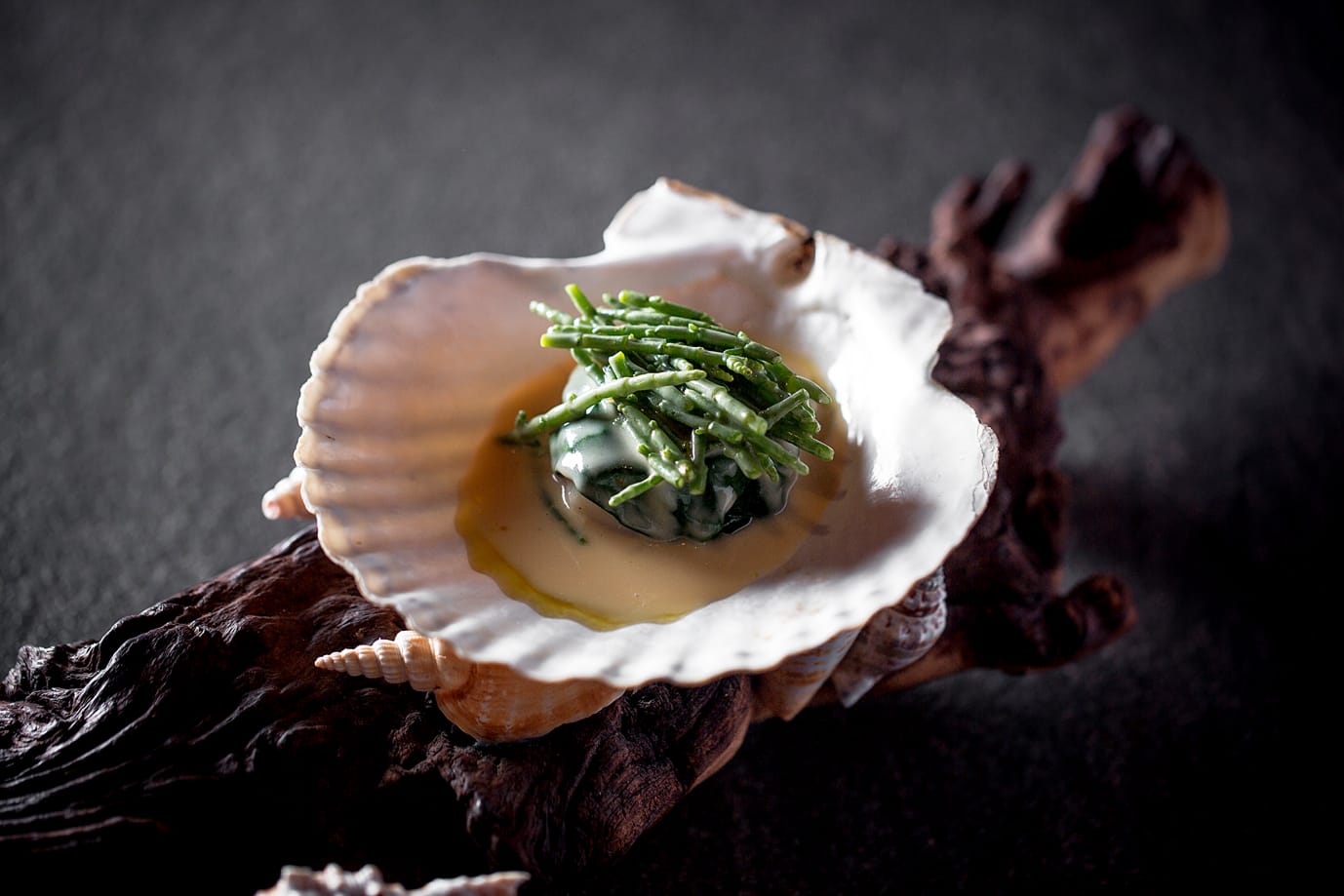
As the sequence progresses, flavours deepen. Crab with limoo amani introduces tension; baked potato with sea urchin and black caviar moves toward salinity and earth; artichoke curry with coconut rice shifts the temperature of the room, warming the palate without excess.
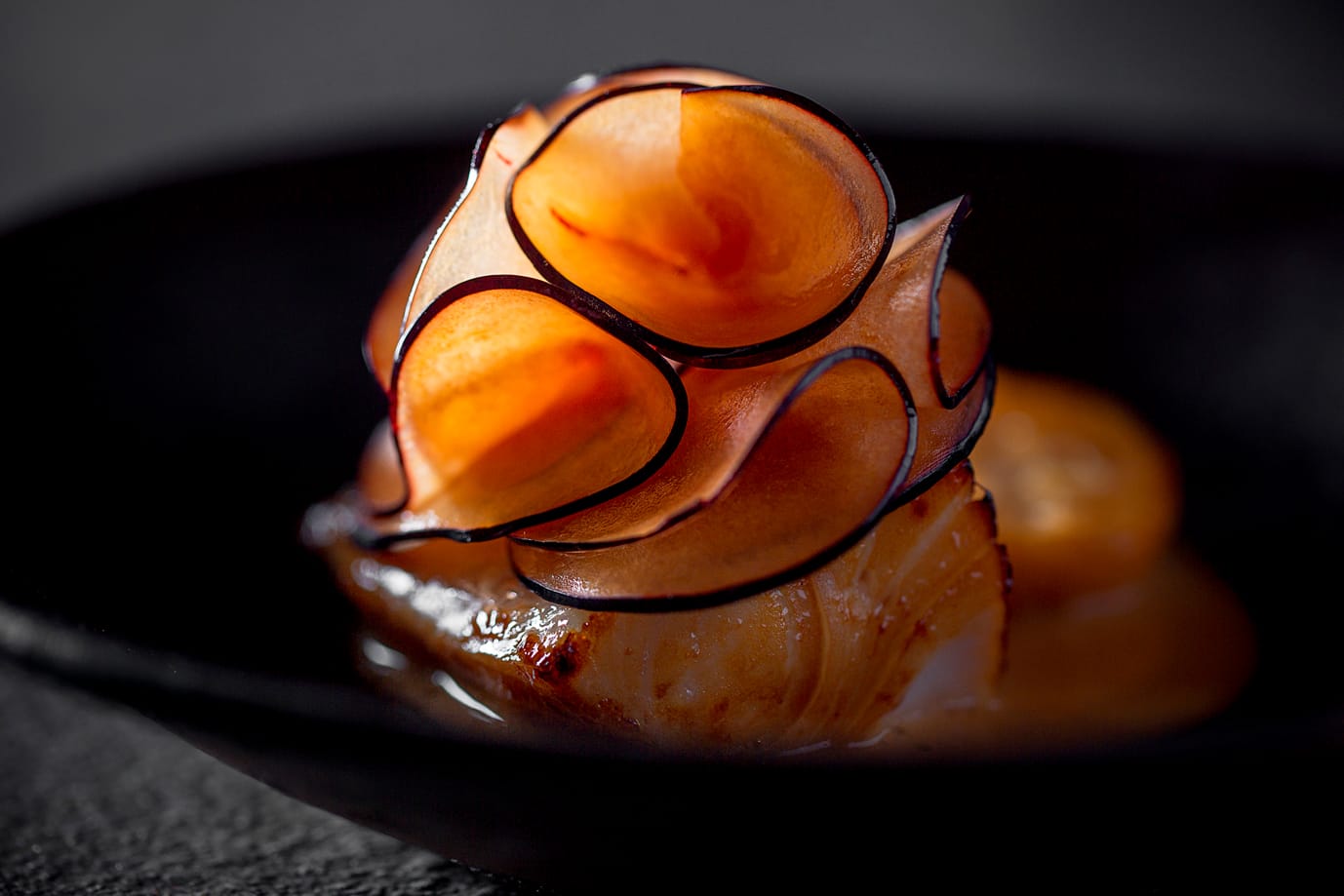
There is a noticeable change when black cod with date syrup and plum appears — sweetness layered over depth, richness controlled rather than amplified. The flavours linger longer than expected.
The Malevich chapter simplifies the language again. Yuzu cheesecake with mango and sea buckthorn is lighter than the visual drama surrounding it, almost reductive in tone — a pause before the closing gesture.
The meal concludes with Five Senses — five mignardises dedicated to taste, scent, texture and perception: sea buckthorn bon bon, limoo amani perfume, mango mochi, matcha date and almond desert rose. A composed finale that reinforces the conceptual framework of the evening.
What remains striking is the composition of the room itself. Twenty guests. Multiple continents represented at one table. A Russian artistic narrative presented in Dubai to an international audience.
There is coherence in that setting. Dubai’s cultural landscape allows projects rooted in a specific identity to be presented without dilution. Krasota does not soften its references. It stages them as they are.
Gastronomy has long functioned as a gateway to culture. Krasota extends that premise by aligning cuisine with visual narrative and scenography. The result is not spectacle alone, but a structured interplay between art, food and audience.
Beauty can unite and change the world. Whether one takes that statement literally or not, the evening offers a compelling argument in its favour.