Kinugawa Dubai Review: Japanese-French Dining at Jumeirah Marsa Al Arab
– 4 min read

Dubai’s Japanese dining scene is established and competitive. Kinugawa Dubai enters the landscape with a different advantage — location and alignment.
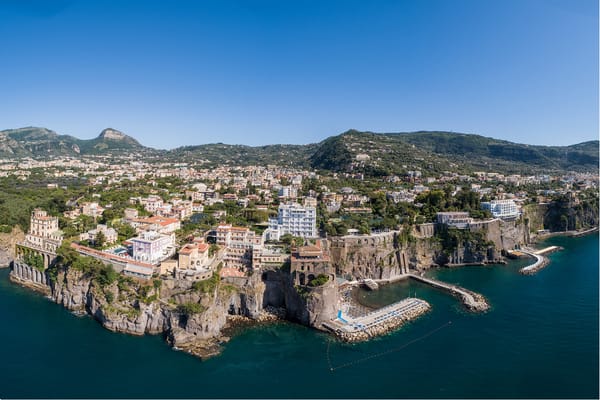
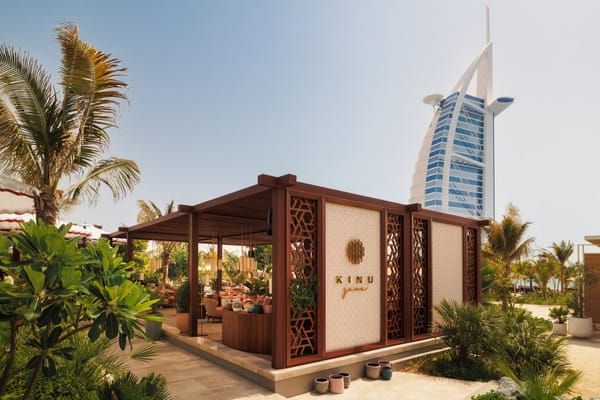
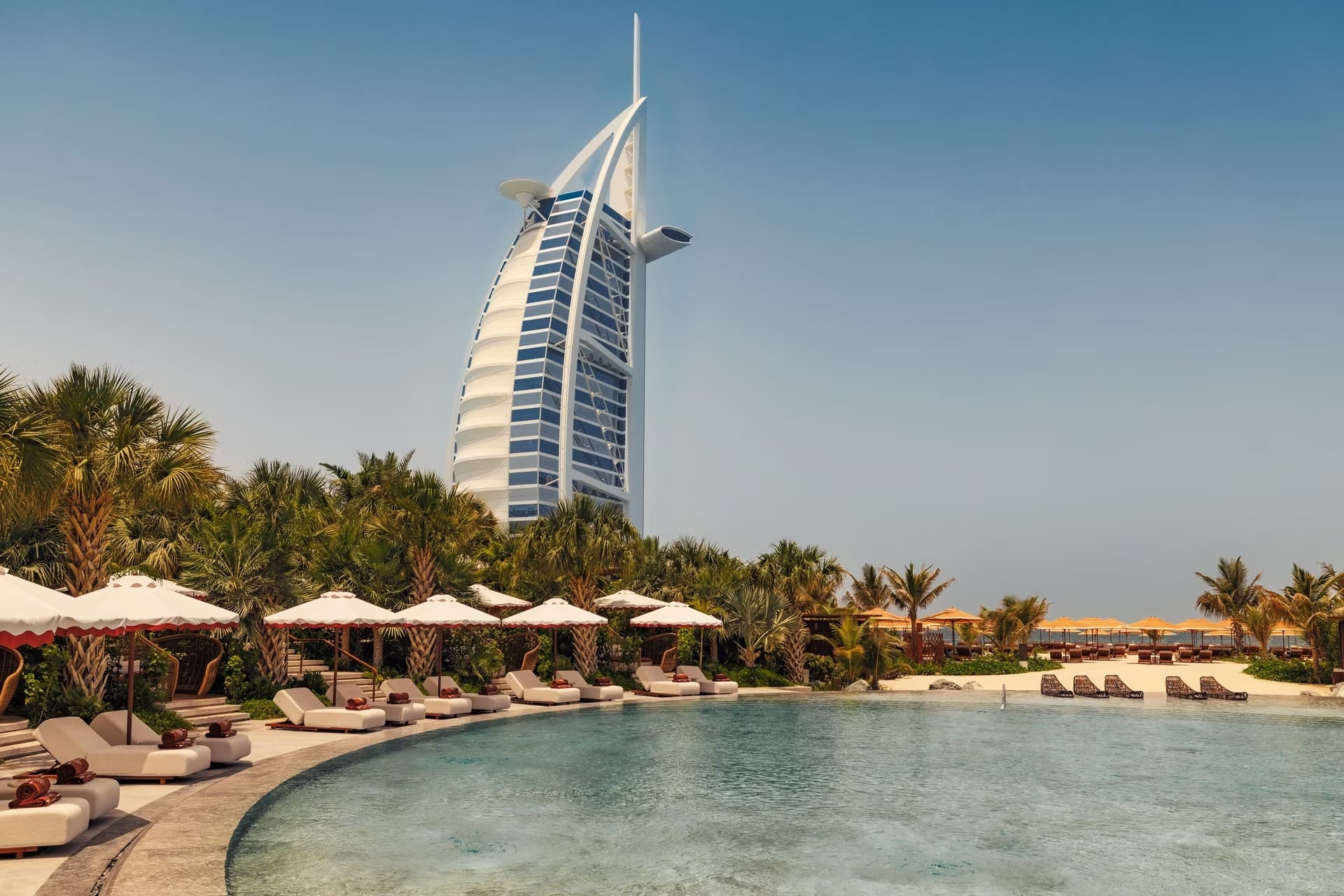
Situated within Jumeirah Marsa Al Arab, directly facing the Burj Al Arab, Kinugawa Dubai combines Japanese culinary precision with French refinement in a beachfront setting. It is not positioned as a high-rise spectacle or a corporate dining room. Instead, it operates as a waterfront Japanese restaurant designed around light, space and coastal rhythm.
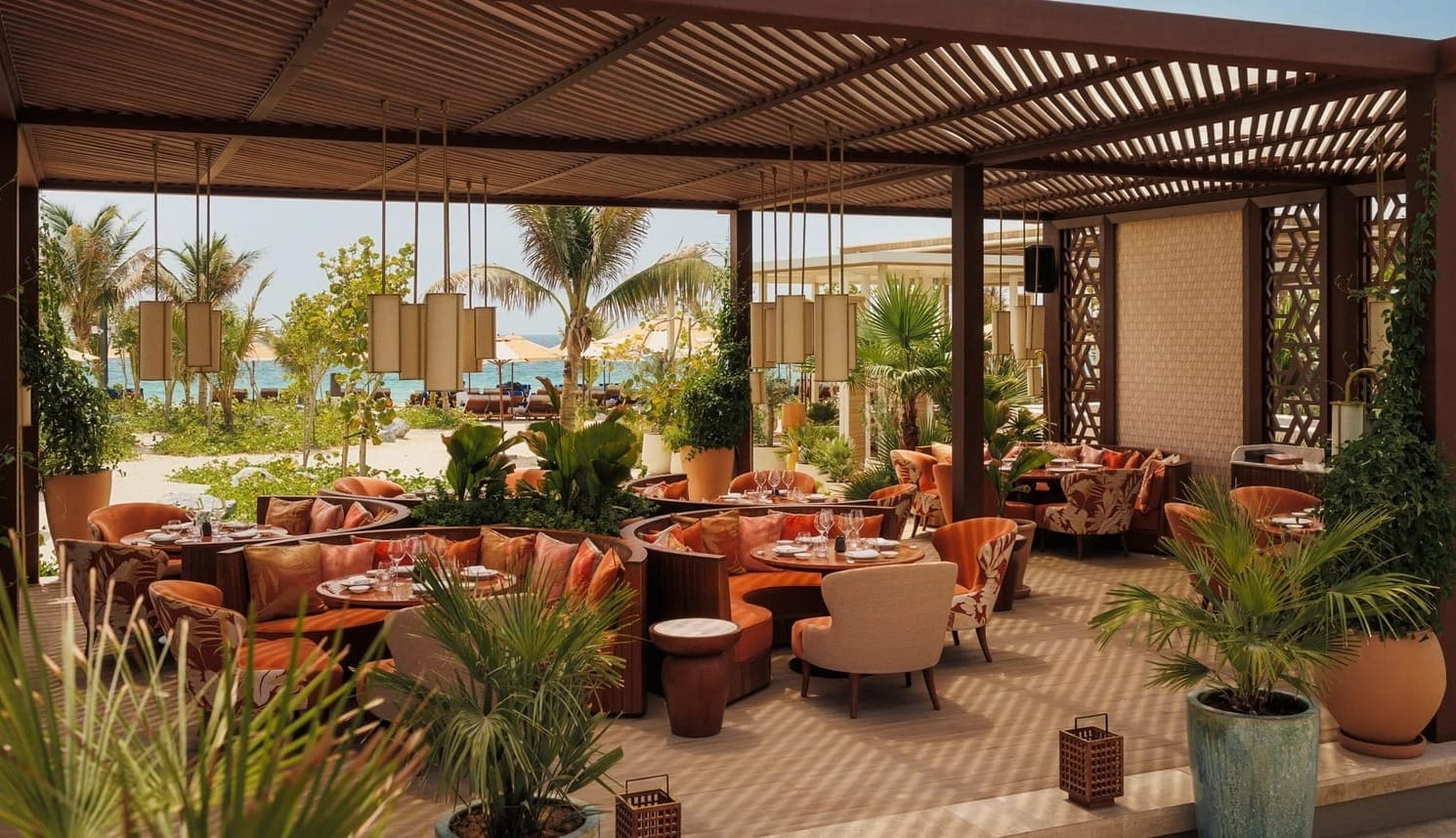
One of Kinugawa Dubai’s defining strengths is its setting. The restaurant overlooks the Arabian Gulf with uninterrupted views of the Burj Al Arab. The beach is accessible, the water clear, and the terrace integrates seamlessly with the resort’s circular pool.
Large cabanas offer privacy without isolation, making the space suitable for both intimate lunches and social dinners. As daylight softens, the skyline changes tone and the terrace becomes visually central to the experience.
Unlike many Japanese restaurants in DIFC or Downtown Dubai, Kinugawa benefits from proximity to the sea — a factor that shapes both atmosphere and tempo.
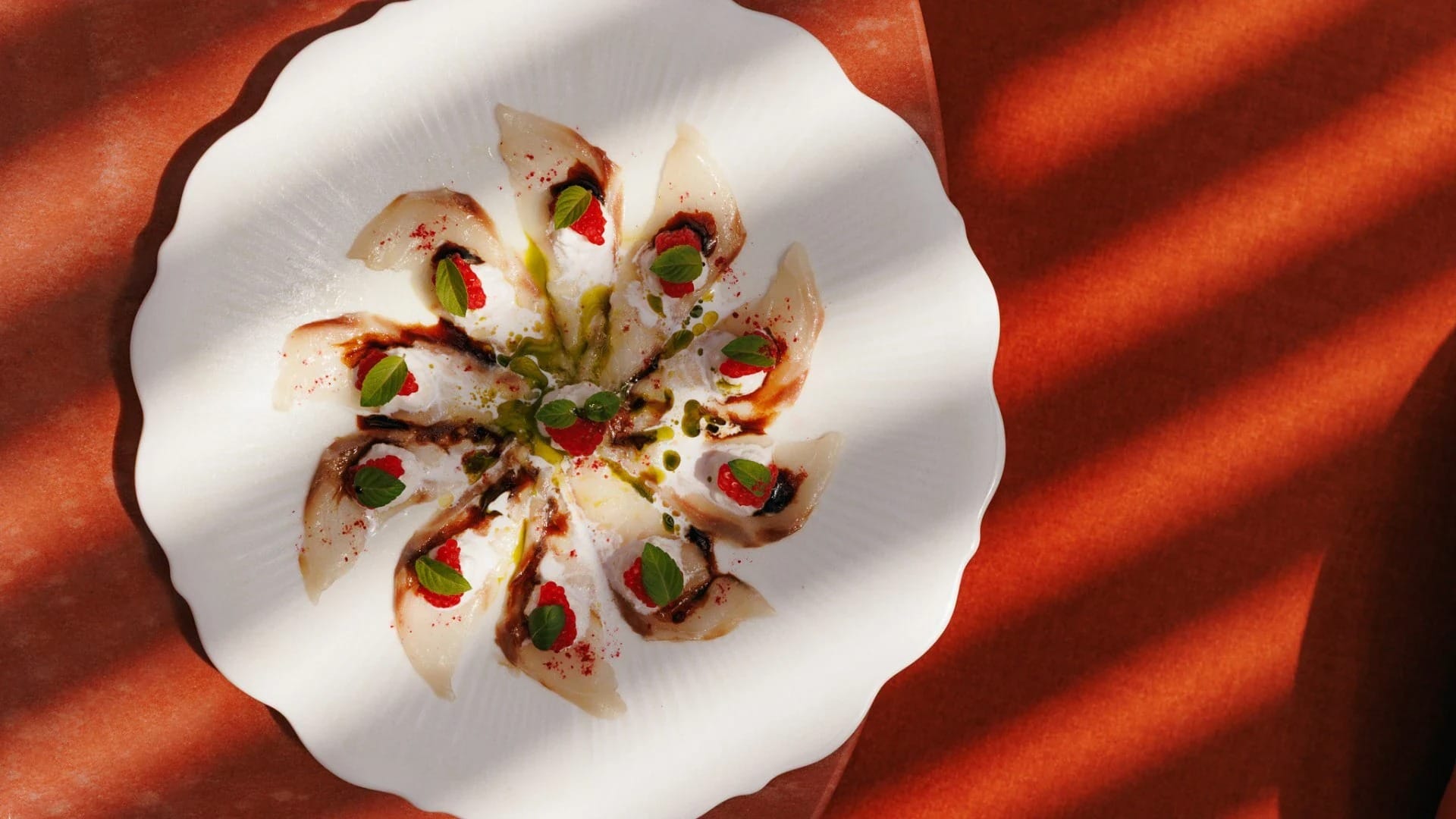
Kinugawa’s brand originated in Paris, and this heritage remains visible in Dubai. The menu reflects a structured Japanese foundation layered with subtle European influence.
Recommended dishes include:
For mains, the Wagyu A5 Sirloin and Chilean Sea Bass with yuzu shiso dressing demonstrate control and clarity. Sharing options such as Black Angus rib or whole grilled wild seabass reinforce the restaurant’s suitability for group dining.
Desserts remain balanced rather than excessive. The Lava Cake with black sesame ice cream provides a composed finish.
The kitchen does not rely on theatrics. It relies on technique and ingredient quality.

Kinugawa Dubai functions particularly well as a lunch destination. The pace is measured, the service attentive, and the cocktail programme citrus-driven and clean.
Guests typically include international residents, hotel visitors and business diners seeking a Japanese restaurant in Dubai with a more relaxed, resort-based setting.
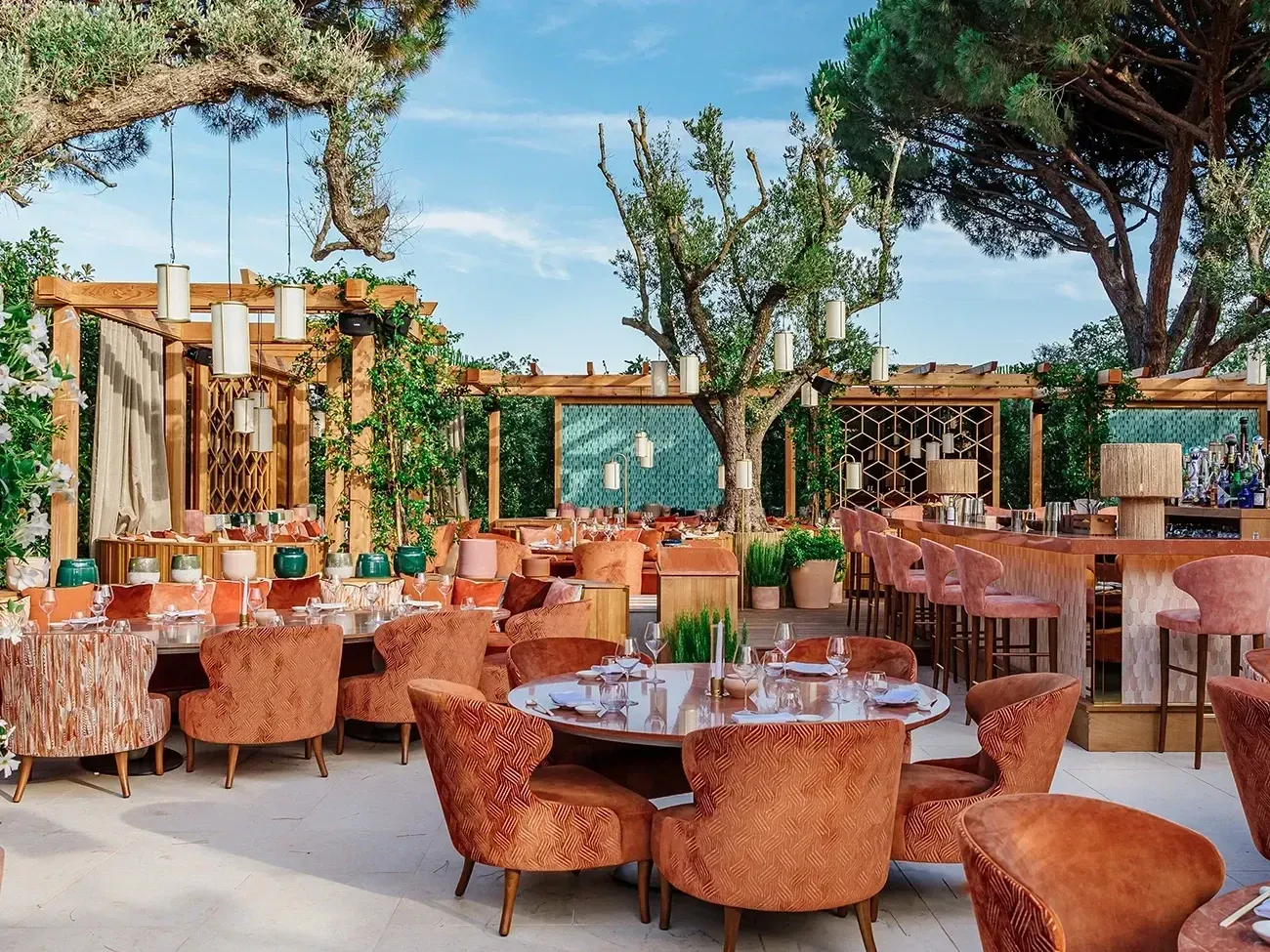
By dinner, Kinugawa transitions into a more stylised environment. The crowd becomes fashion-forward and international. A DJ-led soundtrack introduces energy without overpowering conversation, positioning the restaurant as a dinner-to-lounge hybrid rather than a nightlife venue.
The terrace, illuminated against the Burj Al Arab backdrop, becomes part of the visual narrative.
In comparison to Zuma’s corporate strength or high-rise Japanese concepts in Downtown, Kinugawa Dubai differentiates itself through coastal proximity and spatial composition.
It is not designed as a high-intensity dinner venue. Instead, it offers Japanese-French dining within a beachfront luxury resort context.
For guests seeking a Japanese restaurant in Dubai with sea views, privacy, and refined cuisine, Kinugawa Dubai aligns concept, location and culinary direction with consistency.
Knowing Kinugawa well in Saint-Tropez, I was curious to see how the concept would translate to Dubai. I chose to visit with a certain expectation — and left genuinely surprised. It did not simply replicate the original. It evolved.
I did not expect Kinugawa to stay with me after lunch. And yet it did.
Perhaps it was the way the light moved across the water, or the quiet confidence of the kitchen, or the sense that the room was breathing at the same rhythm as the sea. There is something subtle here — not loud, not performative — but composed.
I remember looking up from the table and noticing how the Burj Al Arab had shifted tone again. The horizon was changing colour, and no one rushed to leave. Conversations stretched. Glasses were refilled. Time felt less structured.
Dubai is often described through scale and spectacle. But what I found here was proportion — flavours that know when to stop, music that knows when to soften, a setting that does not compete with itself.
That balance is rare. And it is what makes Kinugawa linger long after the last course.
— Editor, iPremium