ILTM Cannes 2025 Insights
– 7 min read

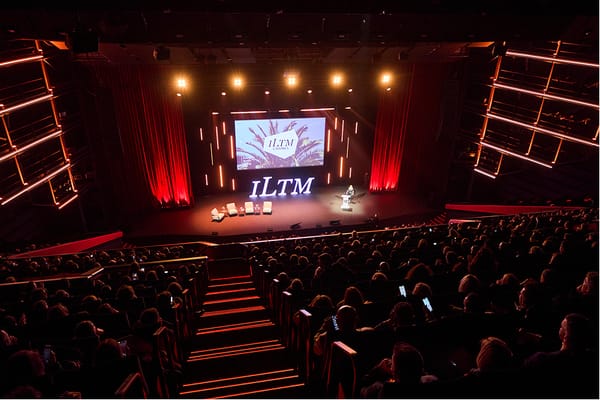
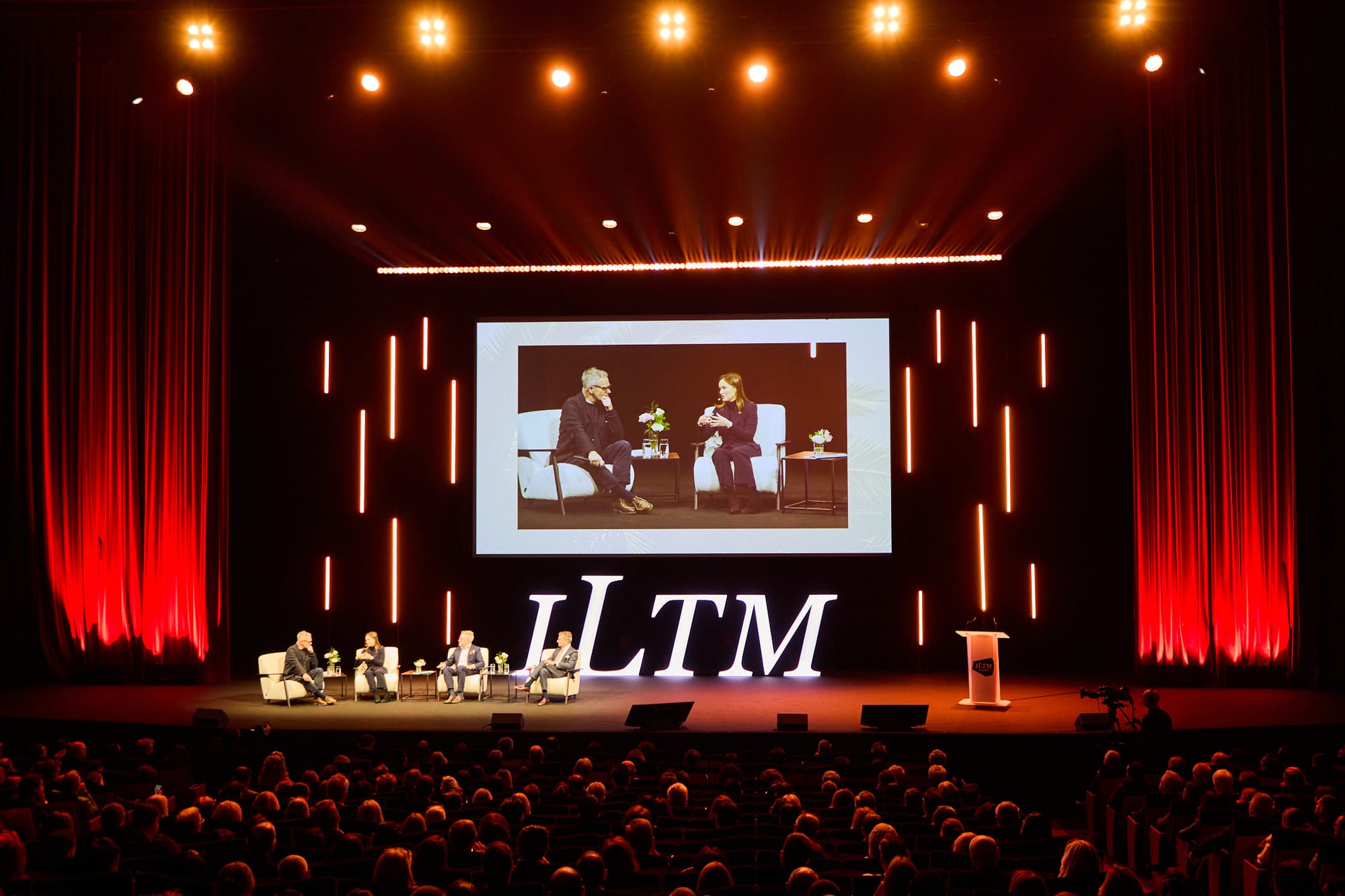

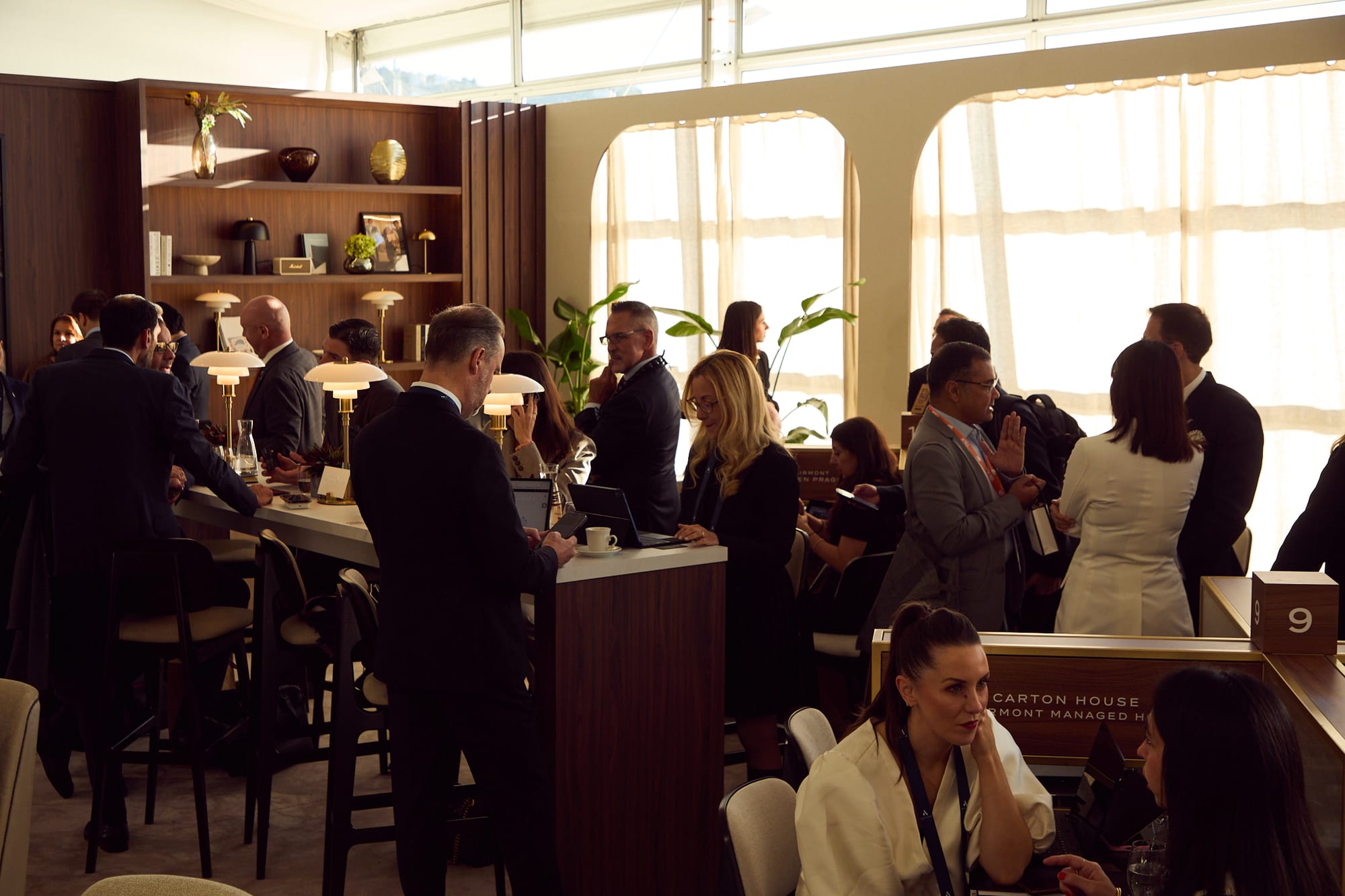
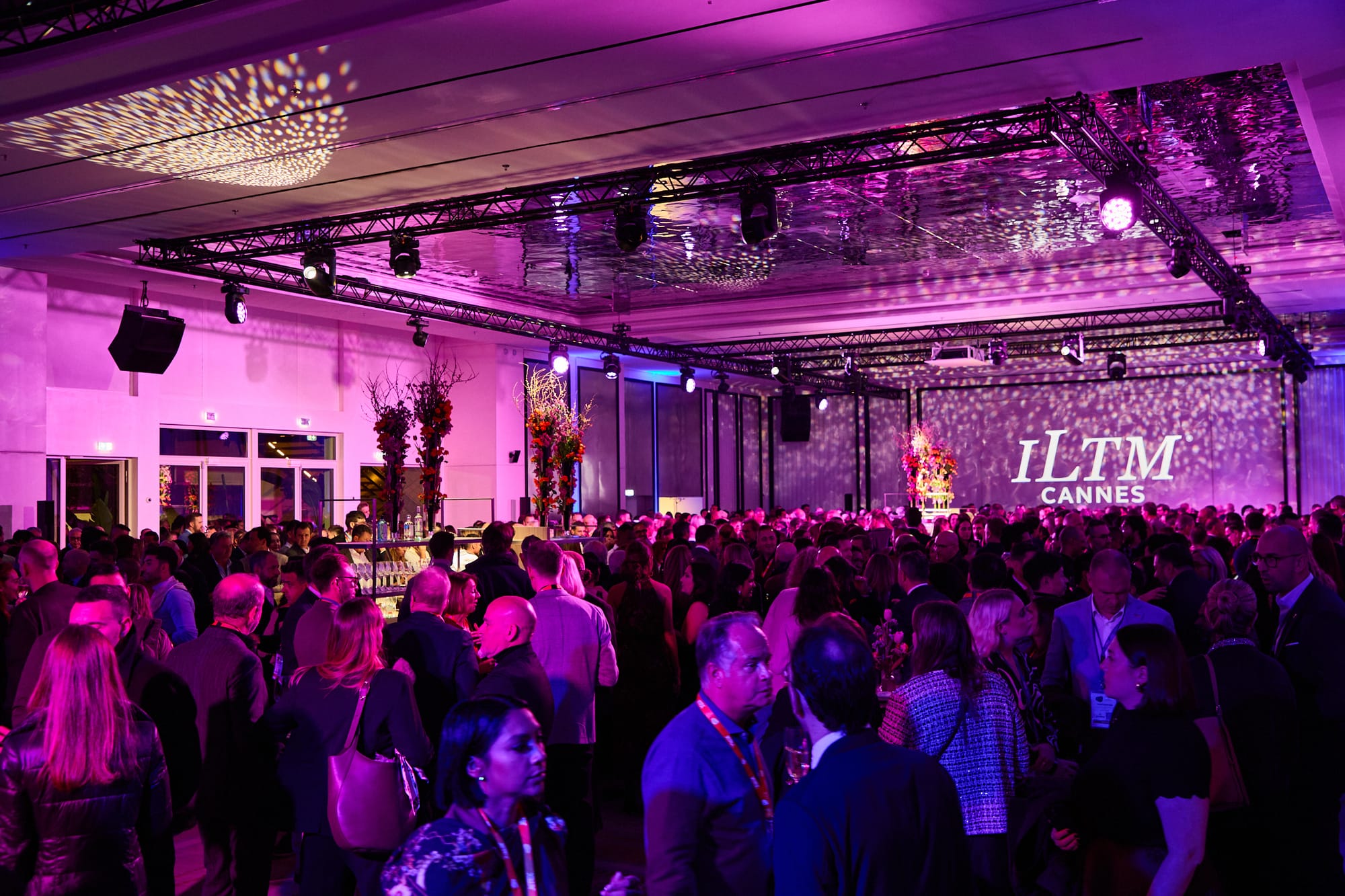
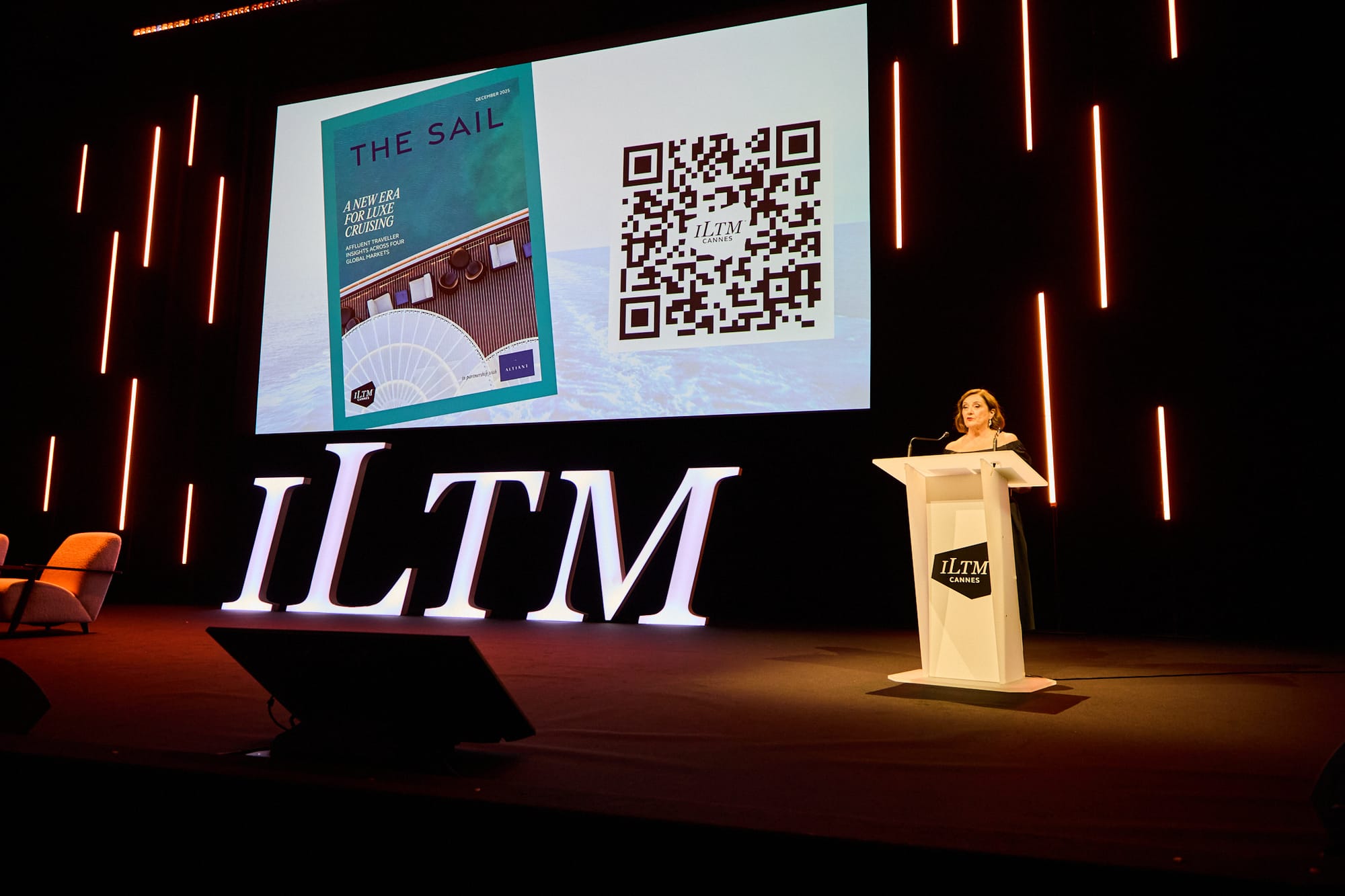
ILTM Cannes 2025 confirmed a shift that leading publications such as Condé Nast Traveler, Financial Times – HTSI, Robb Report and Skift have been observing throughout the year: luxury travel is no longer driven by spectacle, scale or novelty alone. Instead, the industry is entering a phase of measured maturity, where meaning, wellbeing, cultural depth and brand clarity matter more than expansion headlines.
This year’s edition felt notably different in tone. Buyers asked sharper questions, journalists looked for long-term narratives rather than announcements, and brands spoke less about ambition and more about direction. The press conferences reflected this evolution clearly — fewer dramatic reveals, more strategic positioning, and a shared understanding that today’s luxury traveller is informed, intentional and increasingly selective.
Mandarin Oriental’s press conference stood out for its clarity and restraint. Rather than focusing on individual openings, the group articulated a broader philosophy: growth without compromising identity. With a confirmed pipeline of over 30 hotels worldwide, the emphasis was placed on how Mandarin Oriental intends to scale while preserving its deeply personalised service culture.
The group highlighted continued investment in people, training and service design, positioning its hotels as cultural anchors within cities rather than interchangeable luxury assets. Urban destinations remain a key focus, with Mandarin Oriental reinforcing its role as a refined gateway to the city rather than a standalone destination.
iPremium insight: Mandarin Oriental is deliberately resisting overexposure. Its message was clear — expansion will be slow, selective and rooted in relevance, not volume.
Bvlgari used ILTM to further contextualise its next major opening: Bvlgari Resort Ranfushi in the Maldives, scheduled for 2026. Set in the Raa Atoll, the resort will feature a limited number of villas designed around extreme privacy, architectural expression and lifestyle-driven luxury rather than conventional resort programming.
Notably, Bvlgari positioned the project not as a wellness retreat, but as a lifestyle sanctuary — where spa, dining and experience serve the brand’s aesthetic universe rather than define it.
iPremium insight: Fashion-led hospitality brands are no longer experimenting — they are committing long-term to resorts as extensions of their lifestyle ecosystems.
Rocco Forte Hotels reaffirmed its belief that true luxury lies in individuality. Referencing the recent opening of The Carlton Milan, the group reiterated its refusal to standardise its portfolio. Each hotel is treated as a distinct cultural project shaped by its city, architecture and local heritage.
Much of the discussion centred on people — general managers, concierges and service teams — reinforcing the idea that hospitality remains a profoundly human business.
iPremium insight: As many brands chase efficiency through sameness, Rocco Forte continues to prove that character is its strongest currency.
Rosewood’s presence at ILTM was less about novelty and more about continuity. The group reaffirmed its guiding principle — A Sense of Place — while outlining future developments that remain deeply rooted in local culture, craftsmanship and storytelling.
A strong emphasis was placed on long-stay living, residential-style hospitality and culturally immersive programming, reflecting a growing demand for hotels that integrate seamlessly into guests’ lives rather than simply hosting them.
iPremium insight: Rosewood demonstrates that expansion and authenticity do not have to be mutually exclusive — if discipline remains central.
Capella’s presentation embodied the brand itself: understated, deliberate and quietly assured. While confirming plans to significantly expand its portfolio over the coming years, the group stressed that intimacy, cultural integrity and scale control remain non-negotiable.
Capella positioned itself as a brand for travellers who value depth over display, with a continued focus on heritage locations, thoughtful architecture and deeply localised experiences.
iPremium insight: Capella’s success lies in its refusal to shout. In today’s luxury landscape, restraint has become a powerful differentiator.
The Leading Hotels of the World highlighted sustained interest in its curated collection model. Independent hotels increasingly seek global visibility without surrendering identity, while travellers gravitate toward properties that feel singular yet trusted.
iPremium insight: Soft brands and collections are emerging as the “safe choice for individuality” in luxury travel.
Barrière’s rebranding into Barrière Collection marked one of the clearest strategic statements at ILTM. By structuring its portfolio into distinct luxury tiers and announcing Maison Barrière Príncipe Real in Lisbon (opening 2026), the group demonstrated a renewed focus on brand legibility and emotional positioning.
iPremium insight: In an increasingly crowded luxury market, clarity is no longer optional — it is a competitive advantage.
The announcement of TAJ Frankfurt (Taj Hessischer Hof) underscored Taj Hotels’ growing international confidence. Rather than exporting “exotic luxury”, Taj emphasised its core strength: deeply ingrained service culture and hospitality rituals refined over decades.
iPremium insight: Heritage-driven brands are finding strong resonance in Europe when they lead with values, not novelty.
Tourism Australia’s presence at ILTM Cannes 2025 was less about headline announcements and more about strategic storytelling. Rather than promoting individual properties, the focus was placed on how Australia continues to position itself as a high-value, experience-led destination for luxury travellers seeking depth, nature and cultural immersion.
Recent official communications and trade interviews underline a clear direction: Australia is actively shaping demand towards longer stays, multi-regional itineraries and transformational journeys, rather than short, checklist-style visits. Sustainability, indigenous culture, and remote yet refined experiences remain central to this narrative, particularly in regions such as Western Australia, Tasmania and South Australia.
At ILTM, Tourism Australia reinforced the idea that luxury travellers are increasingly motivated by story, scale and space — qualities Australia naturally embodies. The emphasis on curated journeys, private access, and nature-driven luxury aligns closely with broader market trends observed across the show.
iPremium insight: Destination brands are moving from promotion to curation. Australia is positioning itself not as a place to “visit”, but as a landscape to experience slowly and meaningfully.
Virtuoso’s conference drew particular attention for its data-driven clarity. The Virtuoso Luxe Report 2026, one of the most widely referenced benchmarks in luxury travel, provided valuable insight into how affluent travel behaviour is evolving for the year ahead.
According to the report, luxury travel demand remains robust, but motivations are shifting. Travellers are prioritising purposeful experiences, wellbeing, privacy and personal relevance over volume or frequency. Spend remains strong, yet increasingly intentional — directed towards fewer, more meaningful journeys rather than multiple short trips.
Virtuoso also highlighted the continued rise of destinations such as Japan, Australia and experiential cruise itineraries, alongside a growing appetite for advisor-led curation in an increasingly complex travel landscape.
iPremium insight: Virtuoso’s data reinforces a key ILTM takeaway — luxury is no longer reactive. It is planned, researched and guided, with advisors playing a central role in shaping demand.
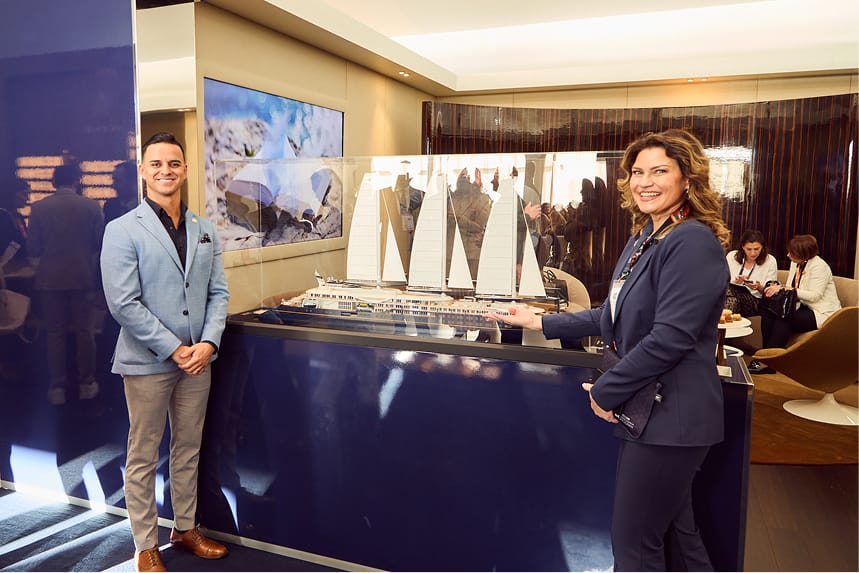
Regent Seven Seas Cruises used ILTM Cannes to underline a pivotal moment in its evolution: the advancement of Seven Seas Prestige™, the brand’s first new ship class in a decade, which recently reached the “float out” construction milestone.
Rather than positioning the vessel purely as a ship, Regent framed it as a next-generation ultra-luxury resort at sea, designed to compete directly with high-end land-based hospitality. Larger suites, elevated culinary concepts, enhanced wellness facilities and curated destination immersion are central to this strategy.
The messaging was clear: luxury cruising is no longer an alternative to resorts — it is a parallel luxury category, offering movement, privacy and access that static properties cannot replicate.
iPremium insight: Cruise brands are redefining themselves as lifestyle platforms. The success of future fleets will depend on how convincingly they deliver a resort-level experience — without losing the romance of the journey.
Preferred Hotels & Resorts highlighted one of the most resilient narratives in luxury travel: the enduring appeal of independent hotels. With eight new openings planned for 2026, alongside major refurbishments across its portfolio, Preferred continues to strengthen its role as a global curator of distinctive properties.
At ILTM, the group positioned itself as a bridge between individuality and trust — offering travellers unique, character-driven hotels while providing owners with international reach and credibility.
iPremium insight: As travellers increasingly reject uniformity, curated independence has become one of luxury travel’s strongest value propositions.
ILTM Cannes 2025 made one thing clear: luxury travel is no longer about doing more — it is about doing better. The brands that resonated most were those that spoke with clarity, embraced restraint and understood their role in guests’ lives beyond the stay itself.
The future of luxury hospitality lies not in excess, but in precision, purpose and presence.