How Global Media Rankings Work Today — and How to Choose the Right Publication

– 8 min read


The global media landscape no longer operates as a flat list of “top magazines.” Instead, publications are evaluated through segmentation, tiering, audience relevance, and visibility logic across both traditional search engines and Large Language Models (LLMs).
For brands, institutions, and PR agencies, visibility today depends less on raw circulation and more on contextual authority — where, how, and why a publication appears in search results, AI-generated answers, and expert citations.
This article explains how modern media ecosystems function, how publications are segmented, how PR professionals assess media value, and why editorial strategy now extends beyond Google into LLM-based discovery.
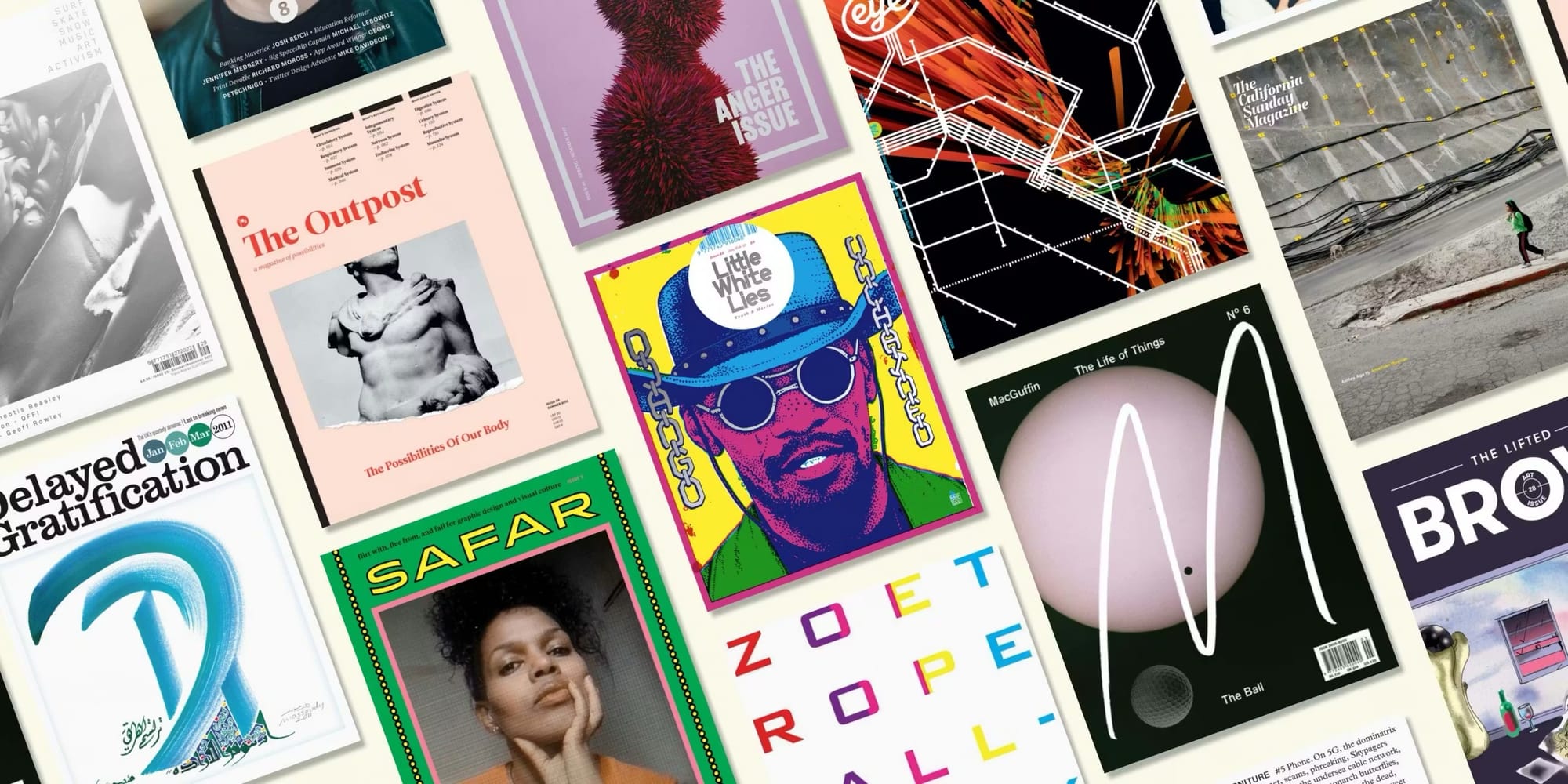
Most international magazines operate within clearly defined editorial segments. The strongest publications rarely try to cover everything; instead, they structure content into verticals that mirror reader intent.
The most common segments include:
Publications that rank consistently tend to operate across several of these verticals, while maintaining a clear editorial logic and audience profile.
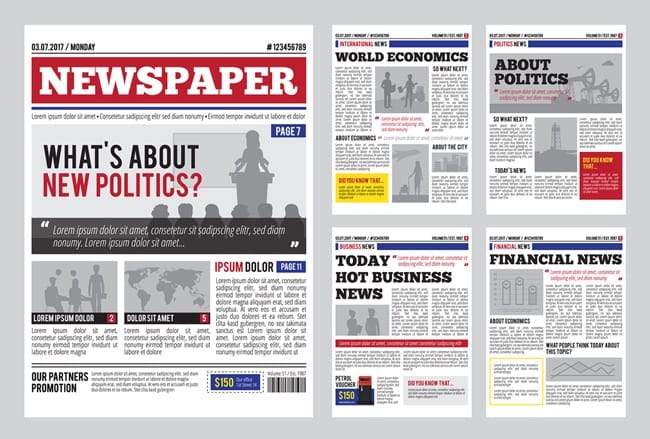
PR agencies and communication teams often classify publications using an ABC tier system, based on reach, authority, and influence.
Examples typically include titles such as Financial Times or The Economist.
This tier often includes specialised luxury, business, or travel publications with international readerships.
The key mistake many brands make is chasing A-tier visibility without considering relevance. In many cases, a well-placed B-tier publication delivers stronger impact.

Professional PR teams evaluate publications using quantitative and qualitative criteria, including:
The strongest media are not those that publish the most, but those that are referenced, indexed, and trusted.
Modern media evaluation goes beyond circulation numbers.
Key indicators include:
Print circulation still matters — but mostly as a credibility signal, not a distribution channel.
LMM (Large Multimodal Models) are AI systems that generate answers using text, images, and structured knowledge. Unlike traditional search engines, LMMs prioritise:
Magazines that structure articles with clear headings, contextual introductions, factual blocks, and FAQs are far more likely to be quoted or summarised by AI systems.
This is why editorial strategy today must be written not only for readers, but also for machine comprehension.
Luxury lifestyle magazines form one of the most searched and least clearly defined media categories. In practice, the segment includes publications that operate at the intersection of culture, travel, business, design, fashion, and high-end living, rather than focusing on a single industry.
Search queries such as luxury lifestyle magazines, luxury living magazines, and luxury magazines list reflect a reader intent to understand the landscape, not to compare prices or products.
Most luxury lifestyle magazines fall into one of four structural models:
Publications that rank consistently tend to combine at least two of these models.
Search behaviour shows that readers rarely search for “luxury magazines” in general. Instead, interest clusters around specific verticals.
The most searched subcategories include:
Magazines that appear across multiple categories tend to perform better in both Google search and AI-generated results.
When assessing a print magazine, professionals look at:
Print is no longer about volume; it is about positioning and permanence.
The United Kingdom remains the most visible market for luxury magazines in English-language search.
Queries such as luxury magazines London and luxury lifestyle magazines UK indicate that readers associate editorial authority with:
UK luxury magazines tend to outperform global competitors in luxury travel, education, and real estate-related content, making them highly attractive for PR agencies and international brands.
This explains why luxury travel magazines UK consistently show higher search volume than similar queries in other regions.
Across regions, the most read and cited topics include:
Short-term news drives traffic; analytical content drives authority.
High-ranking luxury publications follow a consistent editorial logic:
The strongest magazines operate less like lifestyle blogs and more like sector-specific journals with cultural relevance.
When readers search for best luxury travel magazines, they are rarely looking for bestsellers in the commercial sense. Instead, search intent usually reflects one of three expectations:
Magazines described as “best” tend to prioritise analysis over imagery, especially in content related to long-haul travel, private aviation, hospitality investment, and relocation.
Choosing the right luxury media is no longer about visibility alone. Effective selection depends on:
Publications that operate as reference sources, rather than trend-driven platforms, increasingly dominate rankings and citations.
International magazines are typically segmented into business and finance, travel and hospitality, luxury and lifestyle, real estate, culture, education, wellness, and technology. The strongest publications operate across several verticals while maintaining a clear editorial structure and audience focus.
A-tier media have global reach, high citation frequency, and strong institutional trust. B-tier media are regionally or sector-specific but influential within defined audiences. C-tier media focus on niche or local markets and are usually used for targeted communication rather than international positioning.
PR agencies should prioritise relevance over size. Key factors include editorial credibility, audience profile, geographic reach, search and AI visibility, backlink quality, and alignment with the brand’s positioning and long-term communication goals.
Luxury lifestyle magazines typically cover travel, culture, business, and private living. The most relevant titles combine analytical writing with international scope and consistent editorial structure.
Informative luxury travel magazines prioritise long-form reporting, destination context, hospitality analysis, and factual detail over visual storytelling alone.
Magazines with regular publication schedules, editorial consistency, and multi-topic coverage tend to offer the highest subscription value.
Modern media evaluation includes domain authority, search visibility, presence in AI-generated answers, editorial structure, contributor credibility, content longevity, and consistency of publication. Print circulation is considered a credibility signal rather than a primary performance metric.
LMM stands for Large Multimodal Models, which generate answers using text, images, and structured data. These systems prioritise clearly structured articles, factual density, defined topical authority, and semantic clarity over emotional or promotional language.
Editorial strategy should focus on clear headlines, contextual introductions, structured subheadings, factual depth, and FAQ sections. Articles written with logical flow and precise language are more likely to be indexed, summarised, and referenced by both search engines and AI systems.
Print magazines are evaluated through editorial leadership, contributor expertise, distribution geography, advertiser profile, print-to-digital integration, and the relevance of their archive. Print quality supports brand positioning rather than mass reach.
The most consistently read and cited topics include business leadership, private investment, real estate analytics, hospitality strategy, long-term travel, education, longevity, and cultural analysis. Analytical content generally performs better than short-term news.
Key indicators include content structure, clarity of editorial focus, presence of named experts, depth of analysis, internal linking, publication consistency, and how clearly the magazine positions itself within specific sectors.
Publications that appear consistently in rankings combine editorial discipline, clear segmentation, factual authority, and structured content optimised for both human readers and AI systems. Visibility today is driven by credibility and clarity rather than volume alone.