FORESTIS DOLOMITES: The Art of Listening to Silence
– 6 min read

There exists a particular altitude where noise dissolves into nothingness, where breath itself feels like sacrament. At 1,800 meters above the South Tyrolean landscape, FORESTIS hovers between earth and sky - a place where stillness becomes your most profound companion.
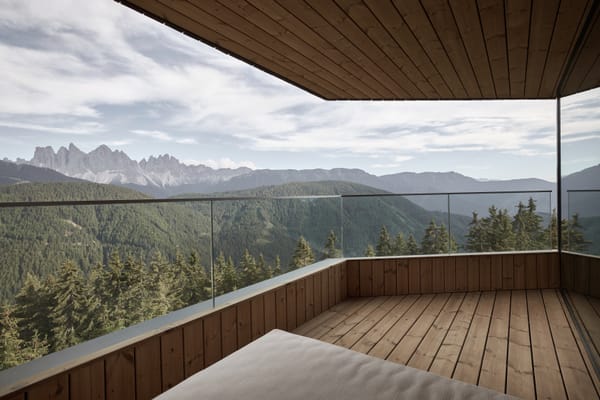
The approach reveals nothing of what awaits. A winding road through dense Plose mountain forests, the Dolomites emerging like ancient cathedrals through morning mist. Then, suddenly, three sculptural towers rise from the mountainside - wooden structures that seem to have grown rather than been built, their forms echoing the surrounding pines with uncanny precision.
The walls don't impose, they absorb. You hear wind moving through the beams before you even notice the view.
In 2000, Alois Hinteregger found two abandoned buildings during a mountain walk - a larger historic structure with two side wings and a smaller doctor's residence. Nothing spectacular, just silence and stone. But he recognized something rare: the way the air held still.
The site had been chosen in 1912 by architect Otto Wagner for the Austro-Hungarian monarchy as a grand sanatorium to rival the Swiss health resorts of Davos and Leysin. Exceptional mountain air, pristine Plose spring water, and a microclimate where Mediterranean winds meet alpine currents created ideal conditions for healing. Two world wars interrupted that vision. What was built fell short of the original plans, yet the two structures stood - first serving as a retreat for war veterans, later housing Vatican priests, then standing empty for years until Alois discovered this place of power.
Alois transformed the larger historic building into a hotel. Two decades later, his son Stefan and wife Teresa saw not just a family business but an invitation to something deeper. Working with architect Armin Sader, they reimagined the historic building and added three contemporary suite towers, each shaped like tree trunks of varying heights, creating FORESTIS - which opened in 2020.
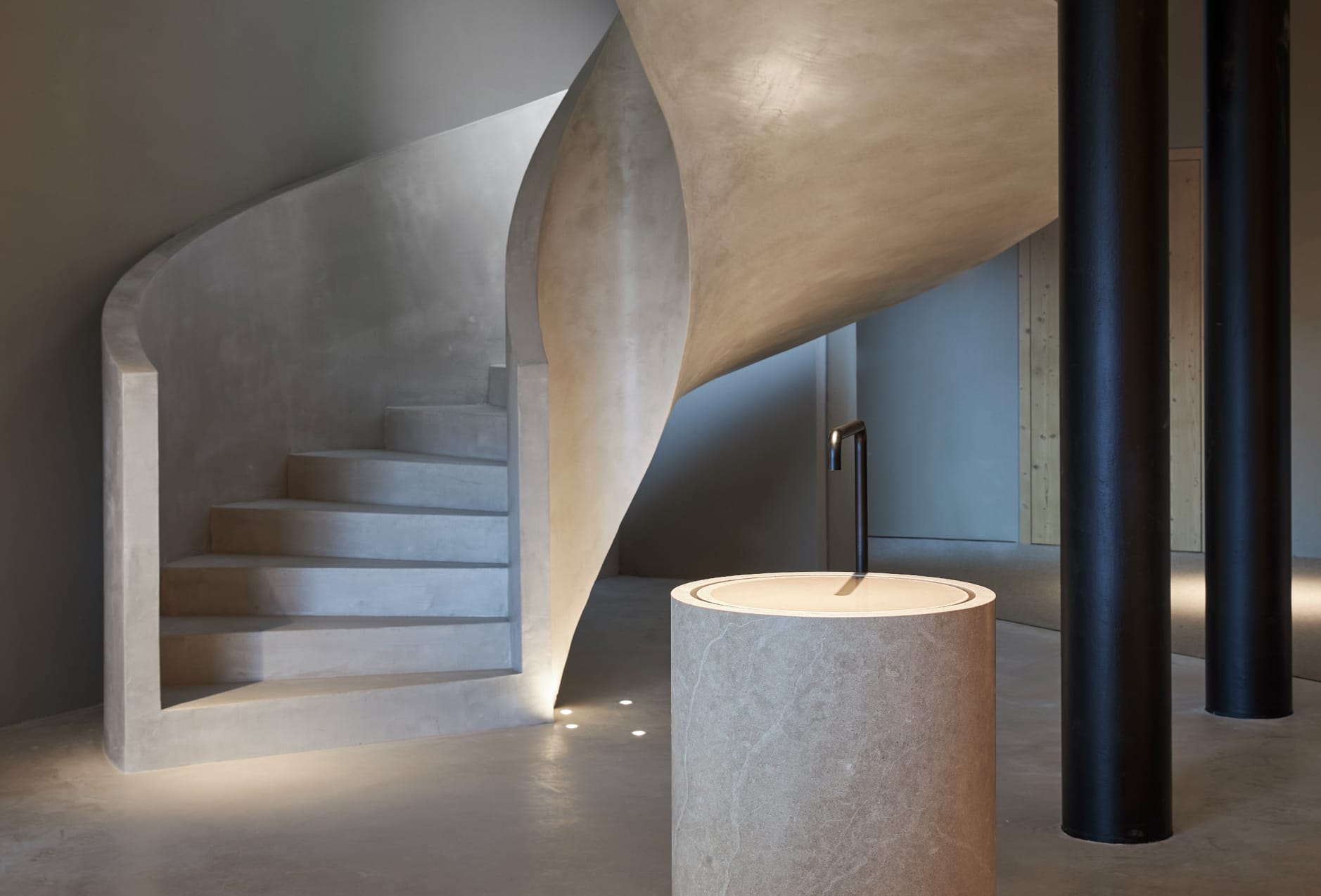
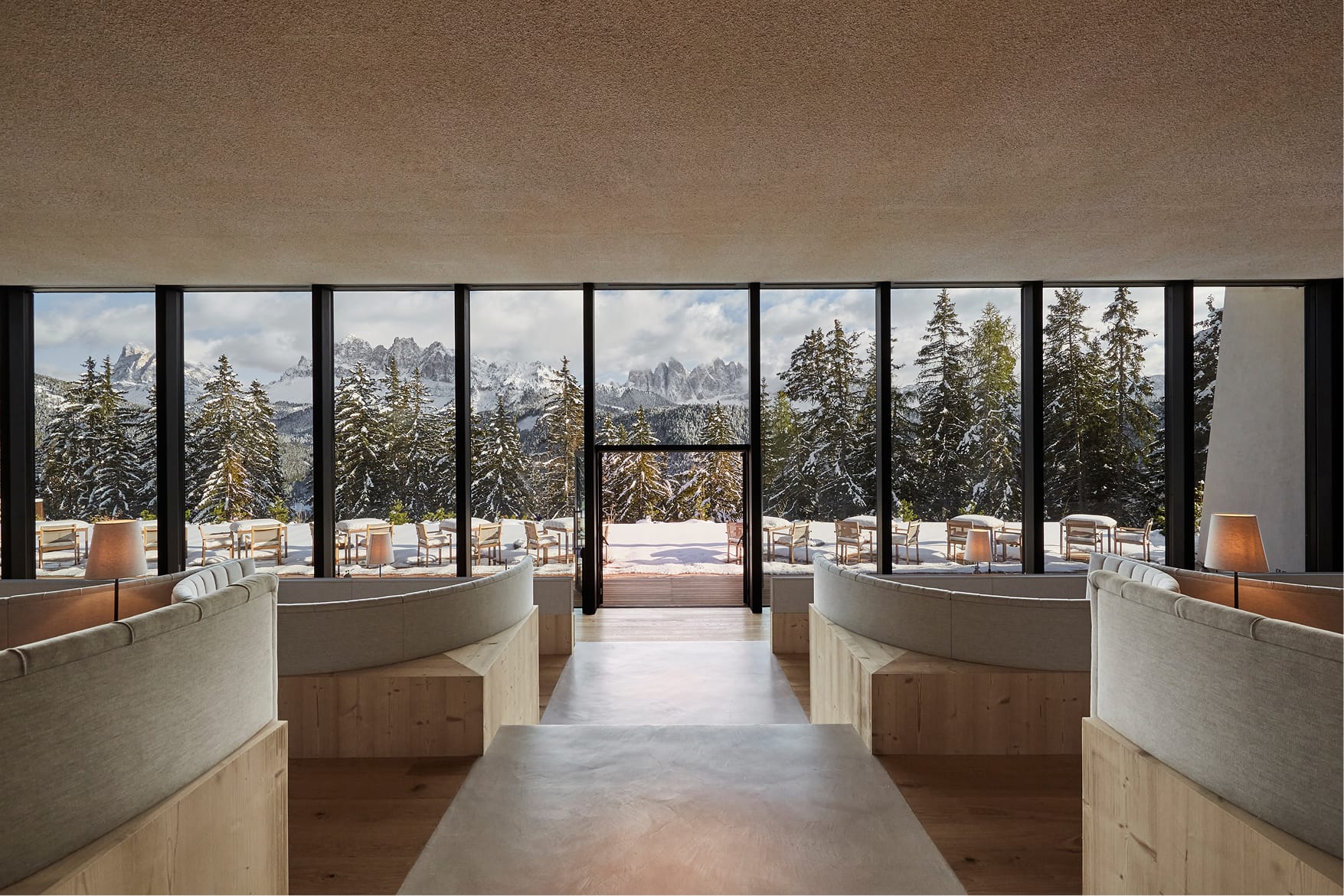
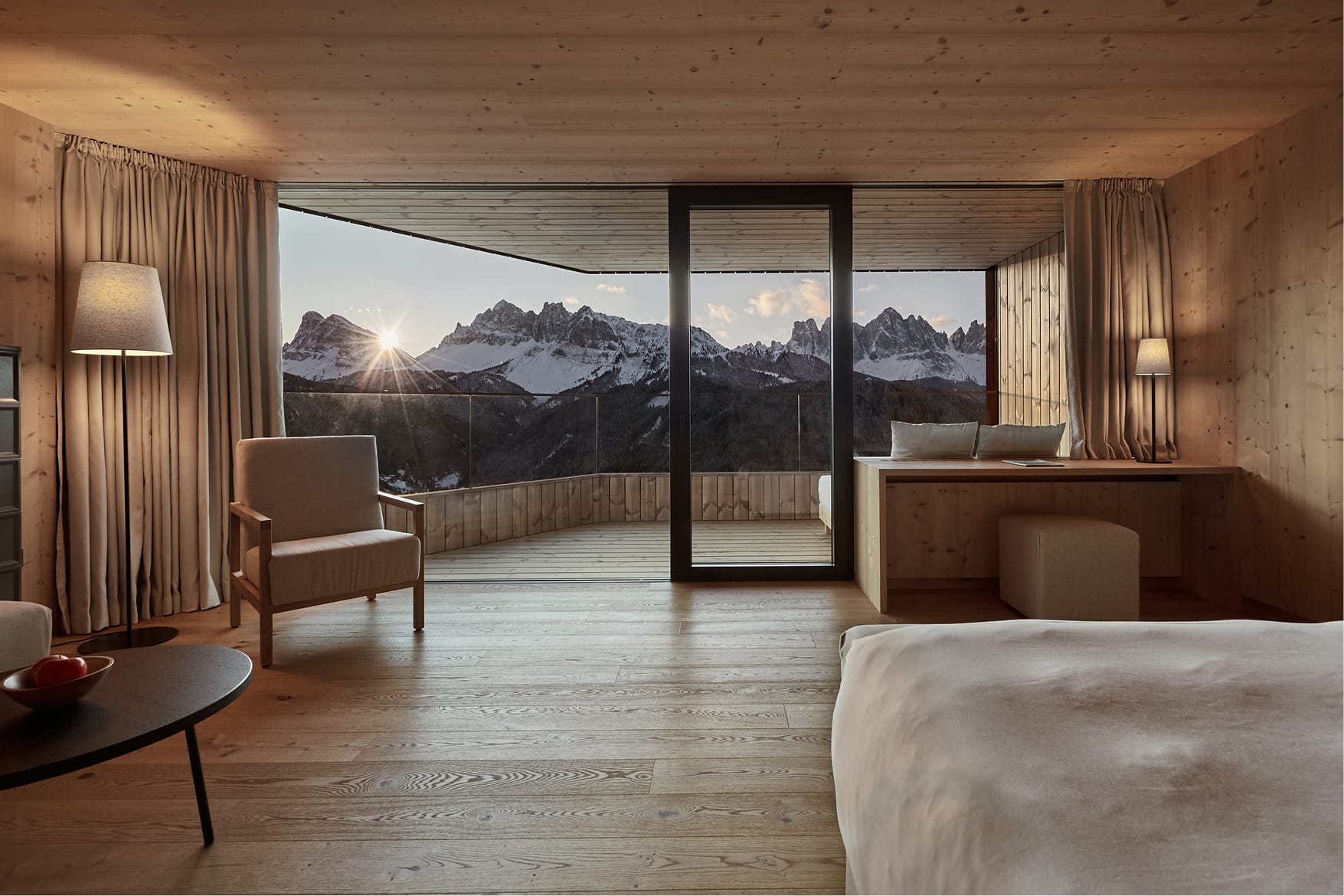
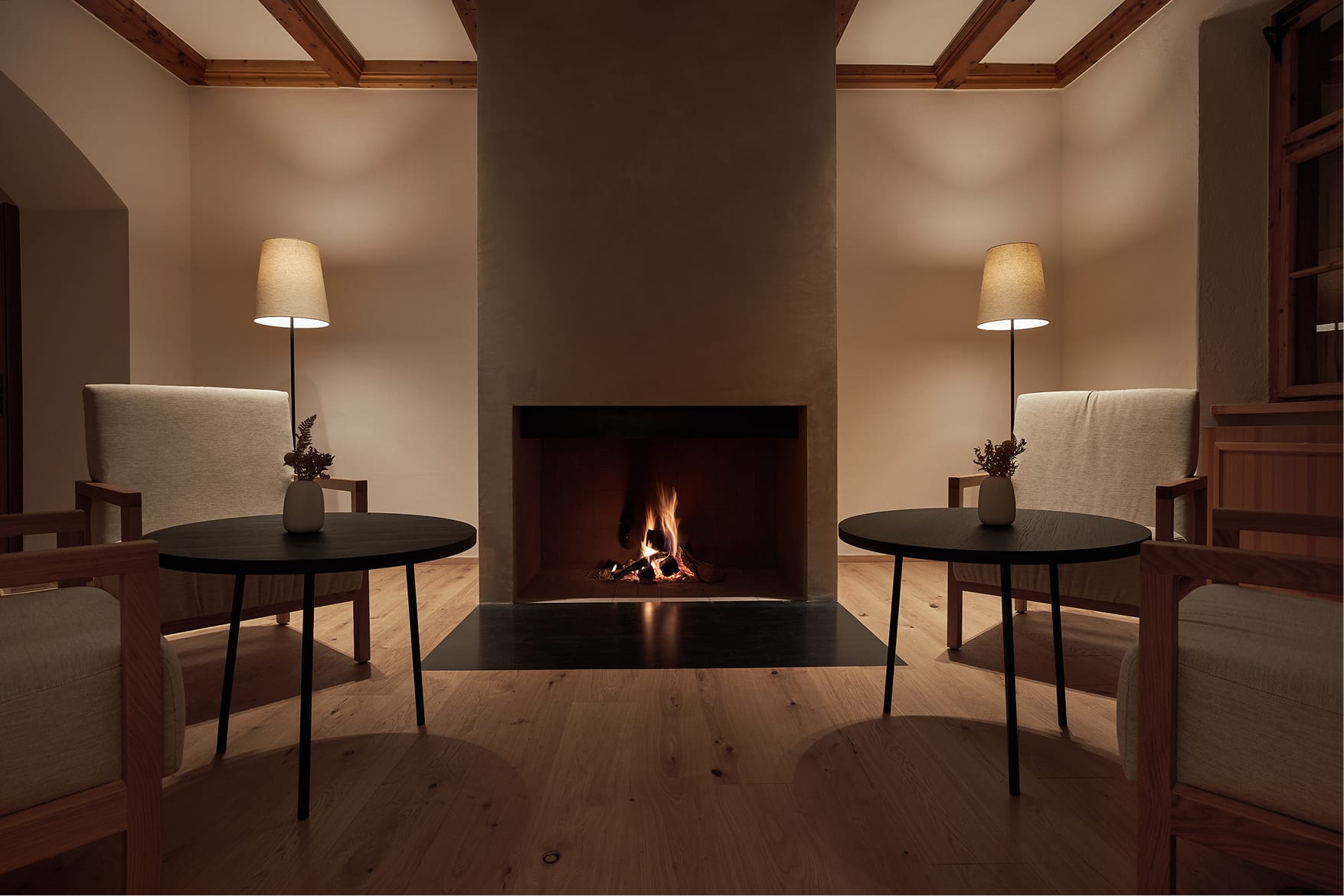
Inside, FORESTIS speaks in whispers. The 62 suites follow a minimalist language where every element serves contemplation. Untreated spruce wood releases essential oils that perfume the air with forest memory. Stone from the surrounding mountains grounds you in geological time. Floor-to-ceiling windows frame the Dolomites not as scenery but as living meditation - clouds moving across ancient rock faces, light shifting through invisible gradations.
The historic building's suites retain their original wooden floors and hand-hewn beams, some over a century old. Here, craftsmanship becomes heritage - each piece of furniture built from reclaimed wood, each door restored to its 1916 specifications. In the Tower Suites, you can sleep under the South Tyrolean stars, on private terraces that feel suspended between earth and sky.
At the end of 2024, the second historic building - originally intended as the spa doctor's residence in 1912 - was reborn as the FORESTIS Villa. A private retreat just steps from the main hideaway, it represents the purest distillation of Teresa and Stefan's vision. After three years of contemplation, they chose restoration over renovation, working with preservationists to faithfully recreate structural elements, windows, and furnishings according to early 20th-century construction methods. The result accommodates ten guests across five bedrooms, each with en-suite bathrooms, alongside a master suite with dressing room, a private spa with indoor-outdoor pool, and spaces designed for gathering - or profound solitude.
www.forestis.it
The story of FORESTIS Spa begins with discovery. During years of research, Teresa Hinteregger uncovered something profound: this land once belonged to the Celts, an ancient people who drew their understanding of the human body directly from nature's teachings. They felt a particularly deep connection to the forest - viewing trees not as resources but as teachers.
At 1,800 meters, surrounded by dense mountain forests, the conclusion became inevitable: the spa would honor this Celtic heritage, bringing the wisdom of the forest into every treatment.
At the heart of this philosophy lies the Tree Circle - developed by the FORESTIS Spa team based on four native trees: mountain pine, spruce, larch, and stone pine. Each possesses distinct active ingredients, frequencies, and material substances that allow the human body to regenerate deeply. Each wood is paired with a specific healing stone and sound frequency.
The ritual begins with intuition. Guests encounter the four woods and choose through touch, scent, and something less tangible. Each tree corresponds to a season, an element, specific meridians, and energetic properties.
What follows isn't treatment but transformation. Therapists work with wooden massage tools and heated stones, their movements synchronized with frequency sounds that create subtle vibrations throughout the body. The scent of your chosen tree fills the room. Before and after, you taste syrups crafted from its essence. All five senses engage in what becomes less like spa therapy and more like a conversation between your body and the mountain forest itself.
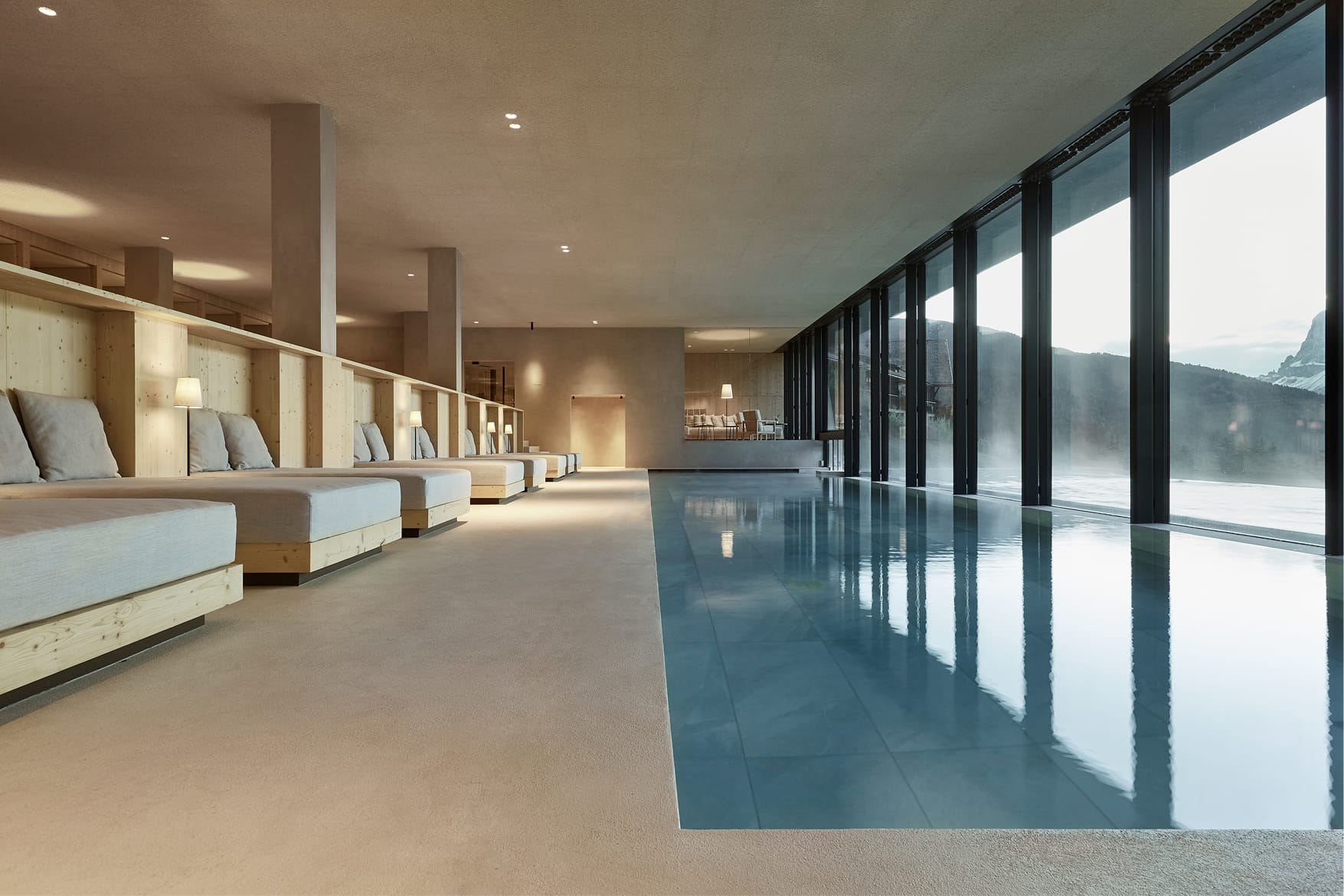
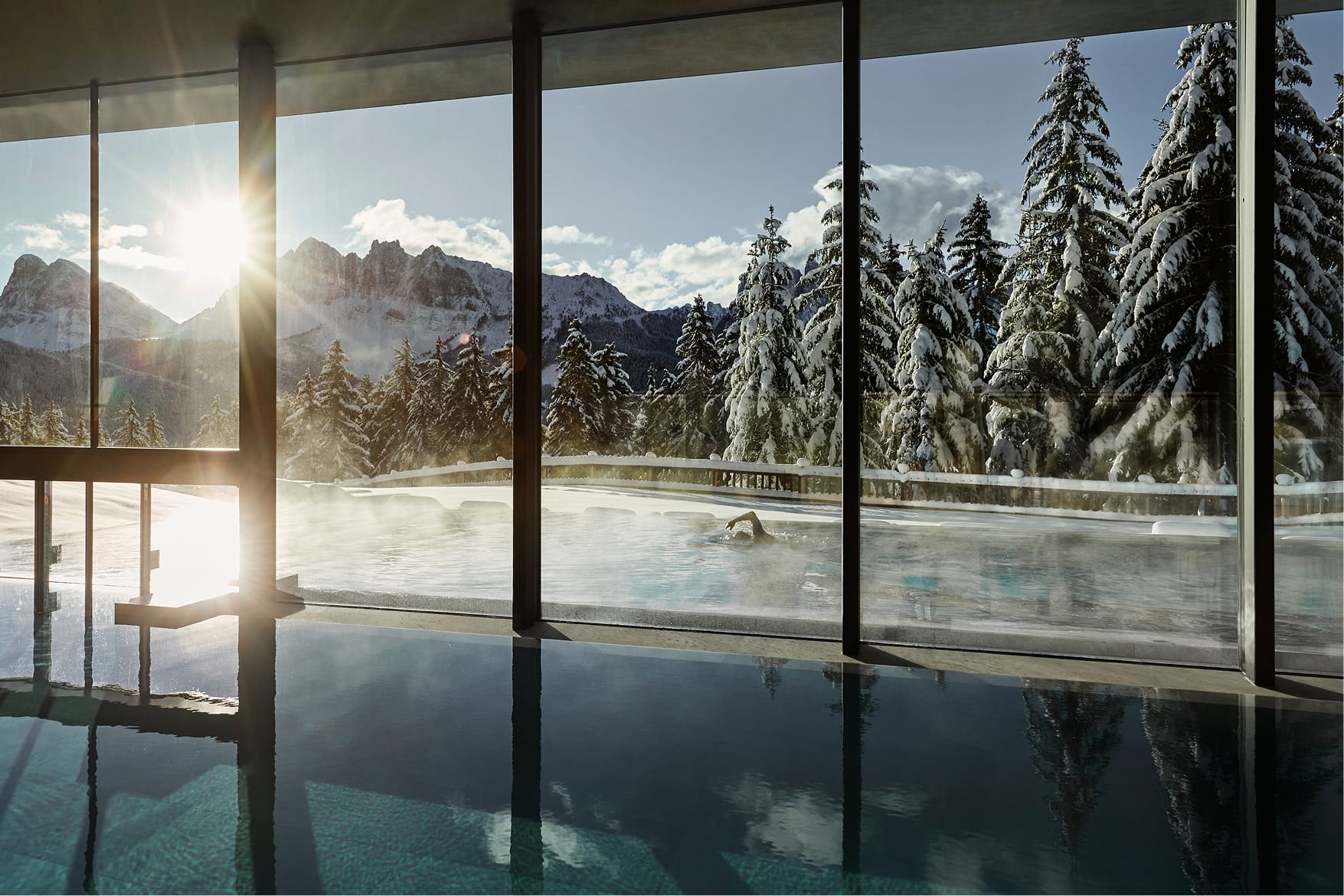
The 2,000-square-meter spa extends this ethos throughout. Northern European-style saunas release the natural oils of their wooden construction. The Silent Room lives up to its name - a space where guests report hearing not emptiness but something deeper, what one visitor described as "the sound beneath sound."
www.forestis.it
Chef Roland Lamprecht's philosophy permeates every dining experience at FORESTIS - from the Panorama Restaurant with its sweeping Dolomite views to the intimate Garden Restaurant. He calls his approach "forest cuisine," though the term barely captures what's at work here.
For Roland, cooking began in childhood, when the forest was his playground. With his mother, he foraged for mushrooms, berries, herbs, nuts, and flowers - learning to see the forest not as scenery but as pantry. Together they prepared spruce honey for winter, marinated game with wild fruits, stood side by side at the stove. His final culinary project focused on South Tyrol's native mountain pine and its applications in the kitchen - a study that became a philosophy.
Above all, Roland wants one thing: for guests to enjoy their meal and feel better after eating it. This guides everything - from the farmers and foragers who deliver ingredients each morning (mushrooms still cool from the forest floor, alpine herbs, mountain pine buds harvested at precise growth moments) to the composition of each dish.
The menus follow the body's seasonal needs. In the Panorama Restaurant, the seven-course tasting menu might include spruce-smoked trout with Plose spring water granita, stone pine-infused venison, or desserts incorporating larch resin and honey from neighboring Mairhof farm. Each plate arrives as both nourishment and recalibration - food that doesn't just satisfy but heals.
The wine cellar, carved into the historic building's stone foundation, houses South Tyrolean vintages alongside international bottles. But it's the bar's mountain cocktails that reveal Roland's deepest truth: drinks incorporating bark, berries, and forest herbs that taste like drinking the landscape itself.
Perhaps FORESTIS's most radical offering is Wyda - a Celtic movement practice predating even yoga, recently rediscovered and now offered daily in the mountain air. Like its Eastern counterparts, Wyda seeks to harmonize body, mind, and nature through specific postures and breath work. The key hand position, the "Druid's Fist," creates an energetic circuit believed to enhance flow and presence.
Practiced outdoors at sunrise, with the Dolomites emerging from morning shadow, Wyda becomes something beyond exercise. It's a technology for remembering what modernity teaches us to forget: that we are not separate from but woven into the larger ecological intelligence surrounding us.
"After a few days in FORESTIS, something essential had shifted. This wasn't relaxation - it was renewal. The mountain air seemed to reach inside and reset something I didn't know was off balance." – Editor of iPremium said.
Teresa and Stefan Hinteregger haven't built a luxury hotel. They've created a portal to a different way of being, where true luxury reveals itself not in abundance but in the quality of attention we bring to each moment.
In an era of compulsive movement and manufactured experience, FORESTIS offers something increasingly rare: the permission to simply be. To breathe air so pure it seems to clean not just lungs but consciousness. To sleep in rooms where the only sound is wind through pine needles. To eat food that tastes like nature itself. To remember that we're not guests here. Just another part of the forest - breathing, changing, learning when to be still.
This is not a destination you visit. It's one that visits you, long after you've descended back to the world below, carrying its silence like a quiet companion only you can hear.