Bakan Madrid: Mexican Cuisine Rooted in Corn, Fire and Fermentation
– 3 min read

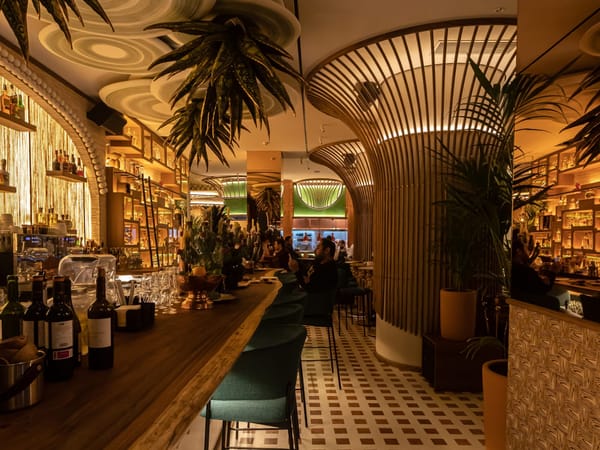
Facing the Puerta de Alcalá, Bakan Madrid operates as a restaurant grounded in process rather than interpretation. While its scale, location and evening programming place it firmly within Madrid’s contemporary dining scene, the kitchen remains anchored to techniques and ingredients that precede the city by centuries.
Opened as part of the Grupo Bakan project founded by Lalo and Eduardo Durazo alongside Óscar Gaviño Valladares, the Madrid restaurant follows the same principles established in Wynwood, Miami: Mexican cuisine approached through origin, memory and method, with corn, fire and fermentation forming its structural core.
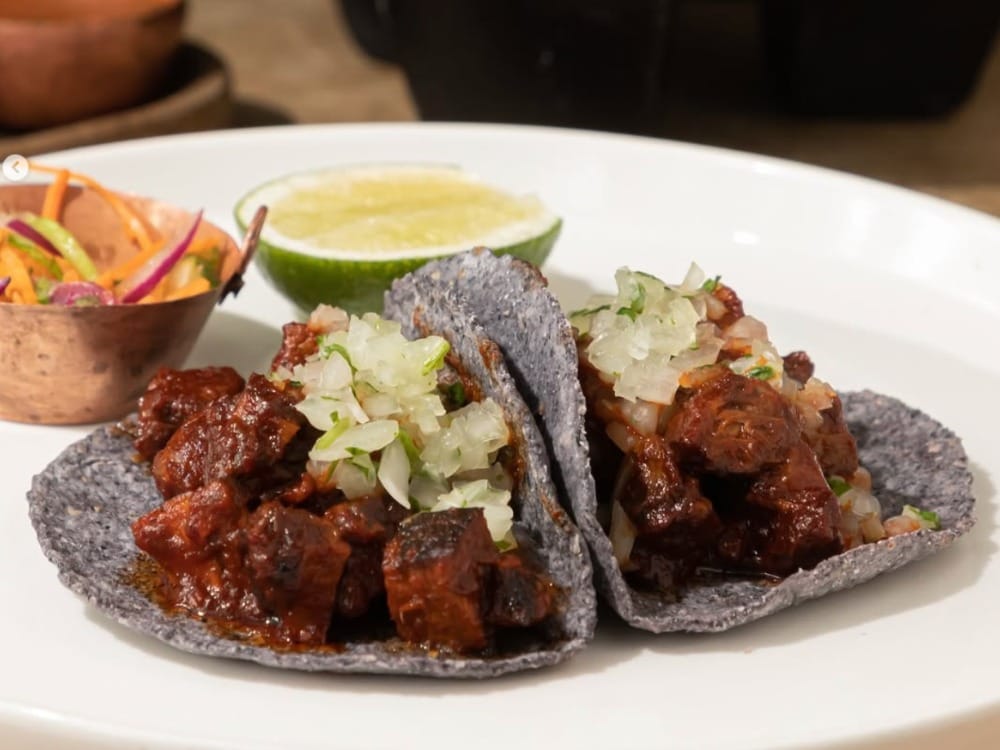
At Bakan, the tortilla is not a vehicle but a statement. Maíz criollo — including blue chalqueño corn sourced from farming communities in the Valley of Chalco — is imported directly from Mexico and processed on site. Through daily nixtamalisation and stone grinding, the restaurant produces its own masa, following the same methods used in Mesoamerican kitchens for generations.
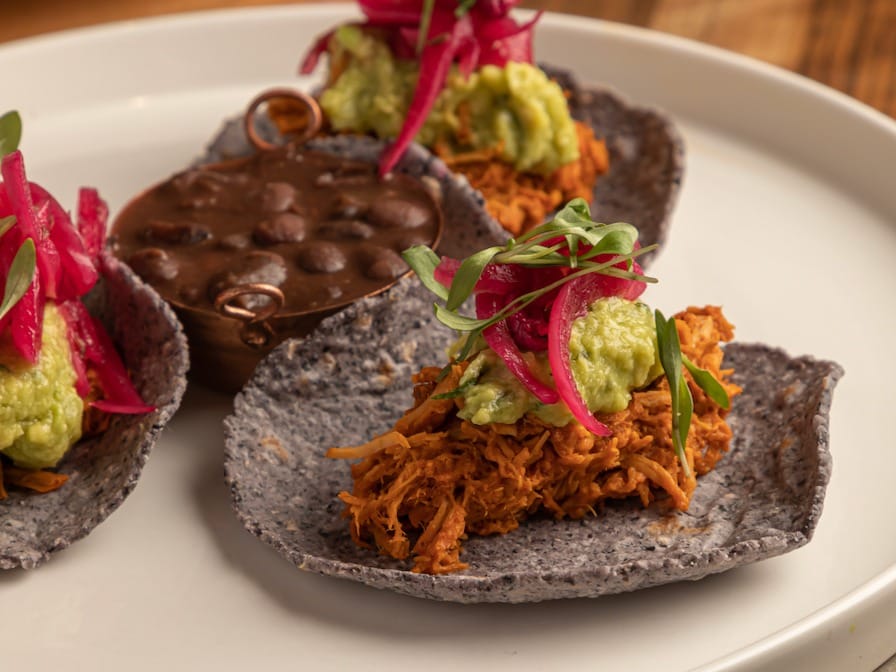
The result is a tortilla that is pliable, aromatic and structurally sound, capable of carrying filling without dilution. This foundation defines the restaurant’s taco programme, which ranges from pressed carnitas with chicharrón and guacamole, to Iberian pork cochinita pibil with achiote and orange, beef rib with guajillo chilli, and seafood options such as sea bass with guajillo butter. Each taco is composed with restraint, allowing the corn to remain present rather than receding into the background.
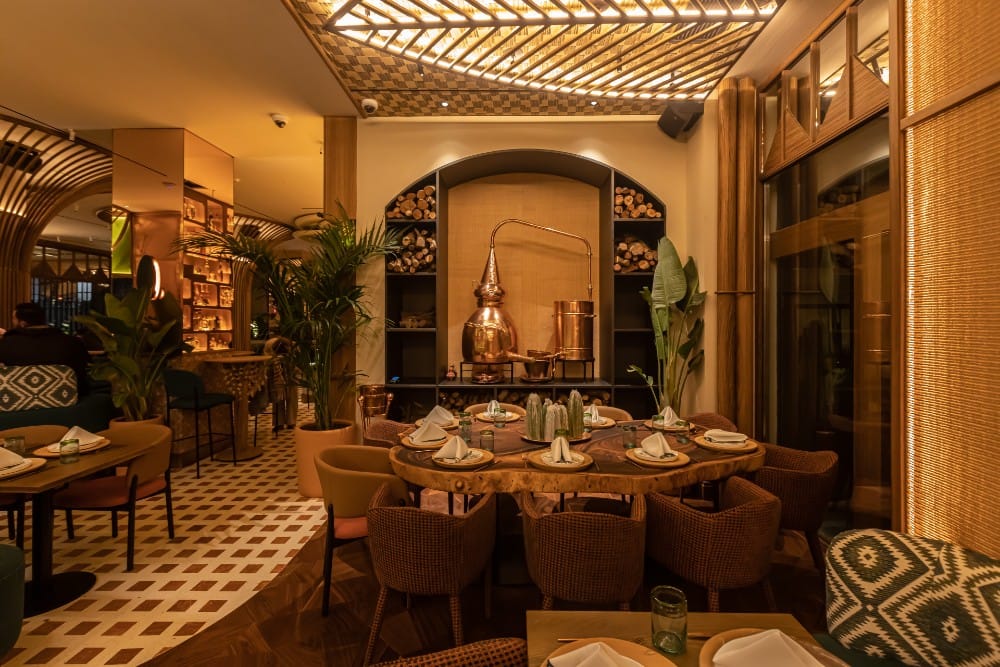
Beyond the tortilla, cooking over wood fire plays a central role. Proteins from land and sea are treated with direct heat, drawing on techniques associated with Oaxacan markets rather than restaurant kitchens. Smoke is applied deliberately, used to deepen flavour rather than dominate it.
The menu extends into a concise but focused selection of moles — including three Oaxacan references — alongside traditional desserts such as Tres Leches and Campechana, which close the meal without unnecessary reinterpretation.
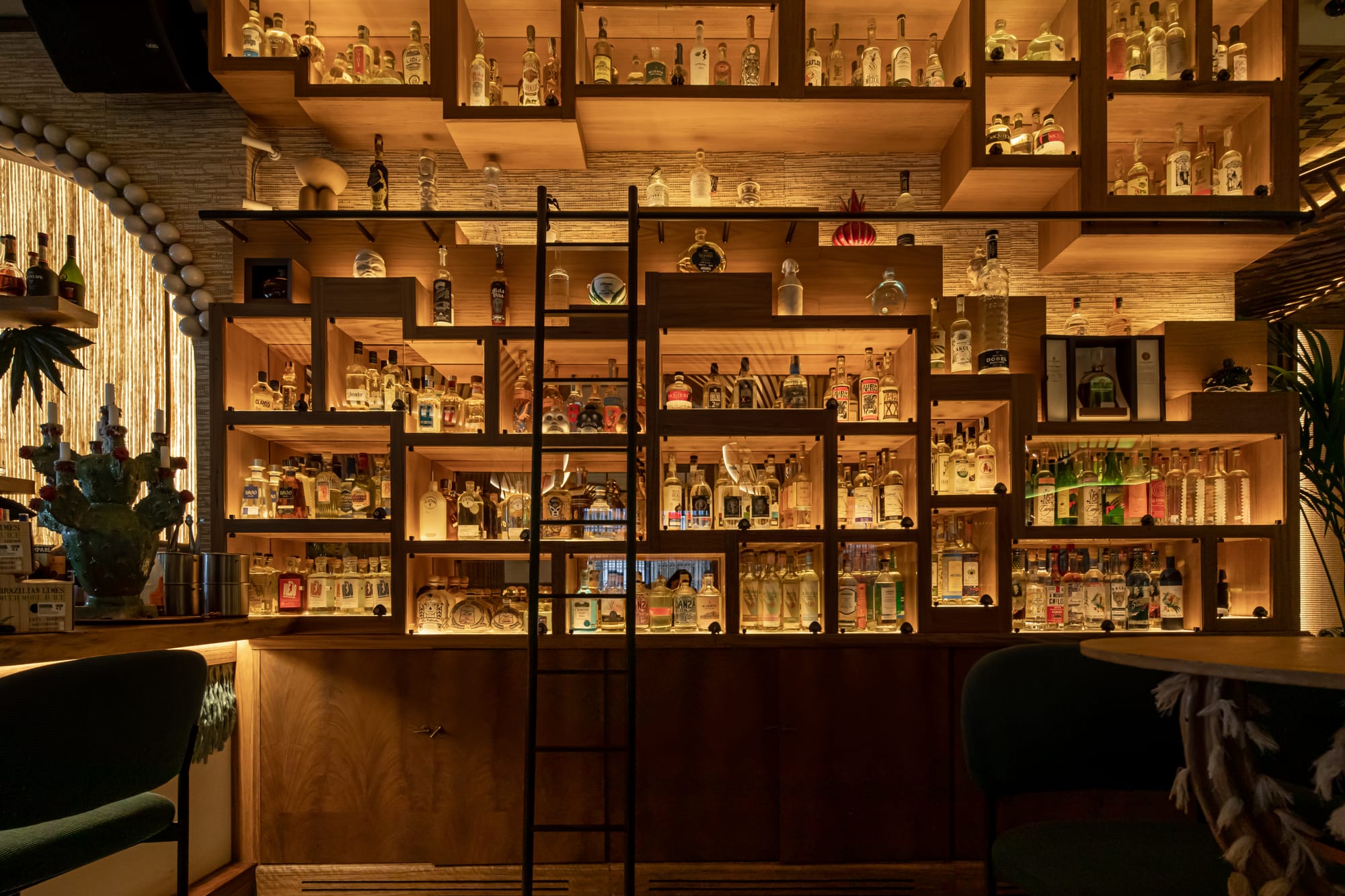
Bakan’s bar functions as an archive as much as a service point. With more than 250 references of mezcal and tequila, the selection spans industrial producers, small-batch distilleries and ancestral methods. Fermentations using wild yeasts and infusions incorporating ingredients such as cacao, chicken breast or Iberian ham reflect historical practices rather than novelty.
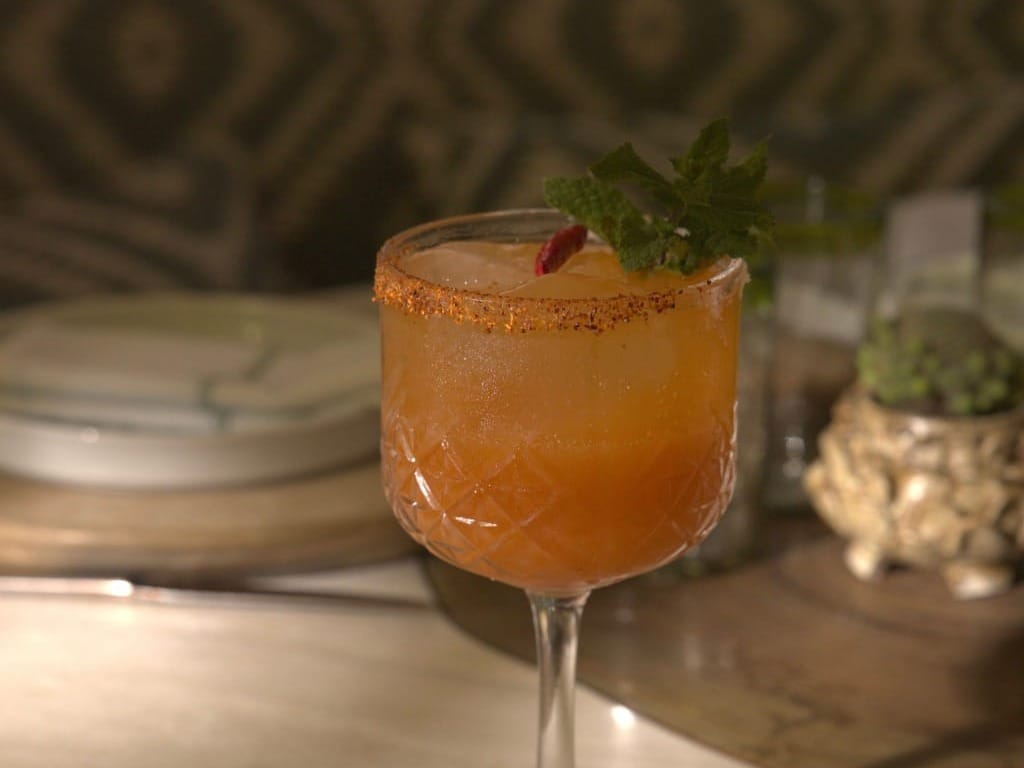
Alongside straight pours, the menu includes a dedicated margarita section and traditional preparations such as micheladas and cheladas, offering lower-alcohol options that remain firmly rooted in Mexican drinking culture.
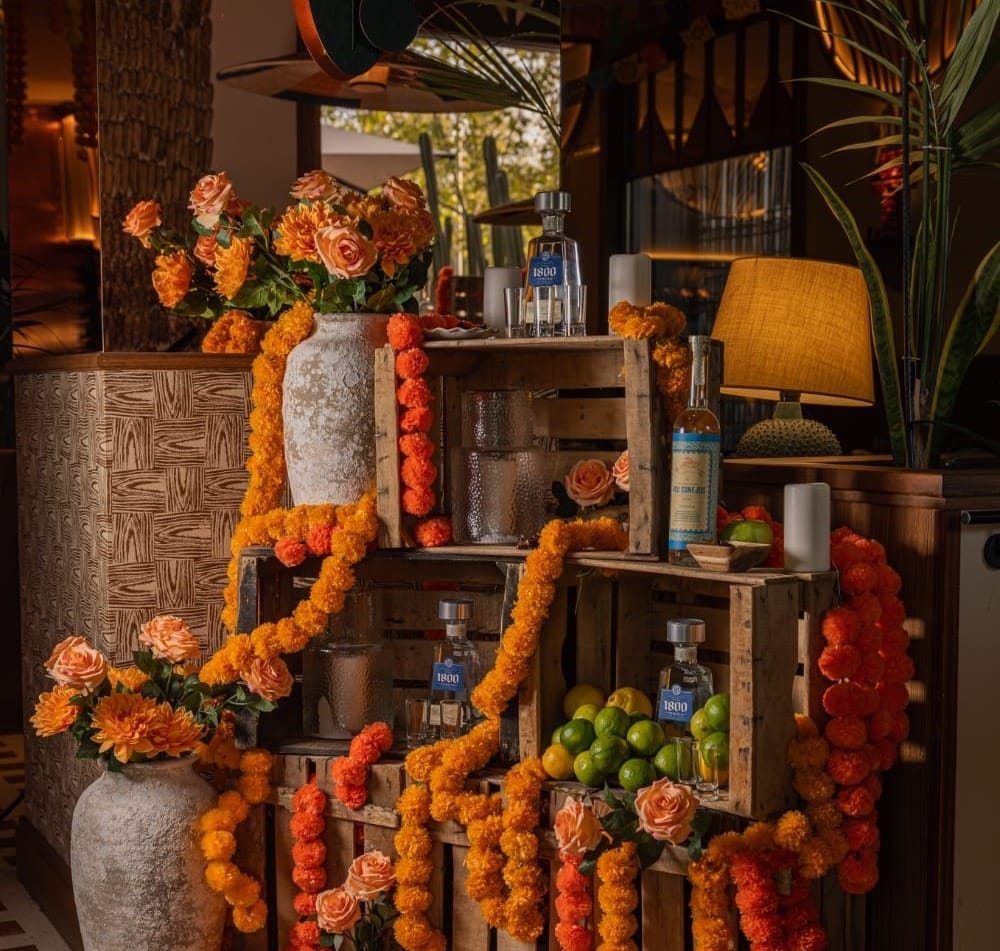
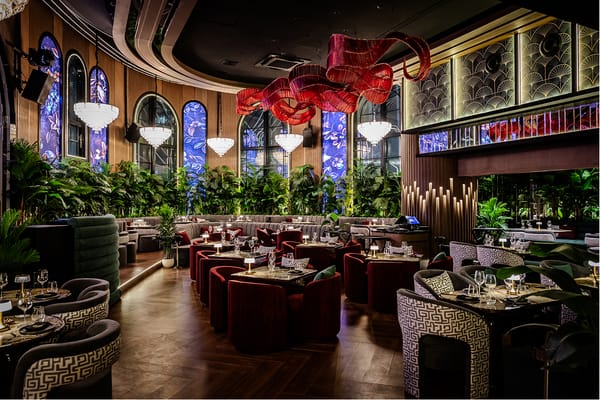
The dining room balances visual intensity with functional clarity. Mexican crafts, Huichol art, ceramics from Santa María del Cobre and references to Michoacán and Oaxaca are integrated without theatrical staging. Music forms part of the restaurant’s evening rhythm: DJ sets and scheduled mariachi performances appear later in the night, allowing the space to transition gradually rather than abruptly.
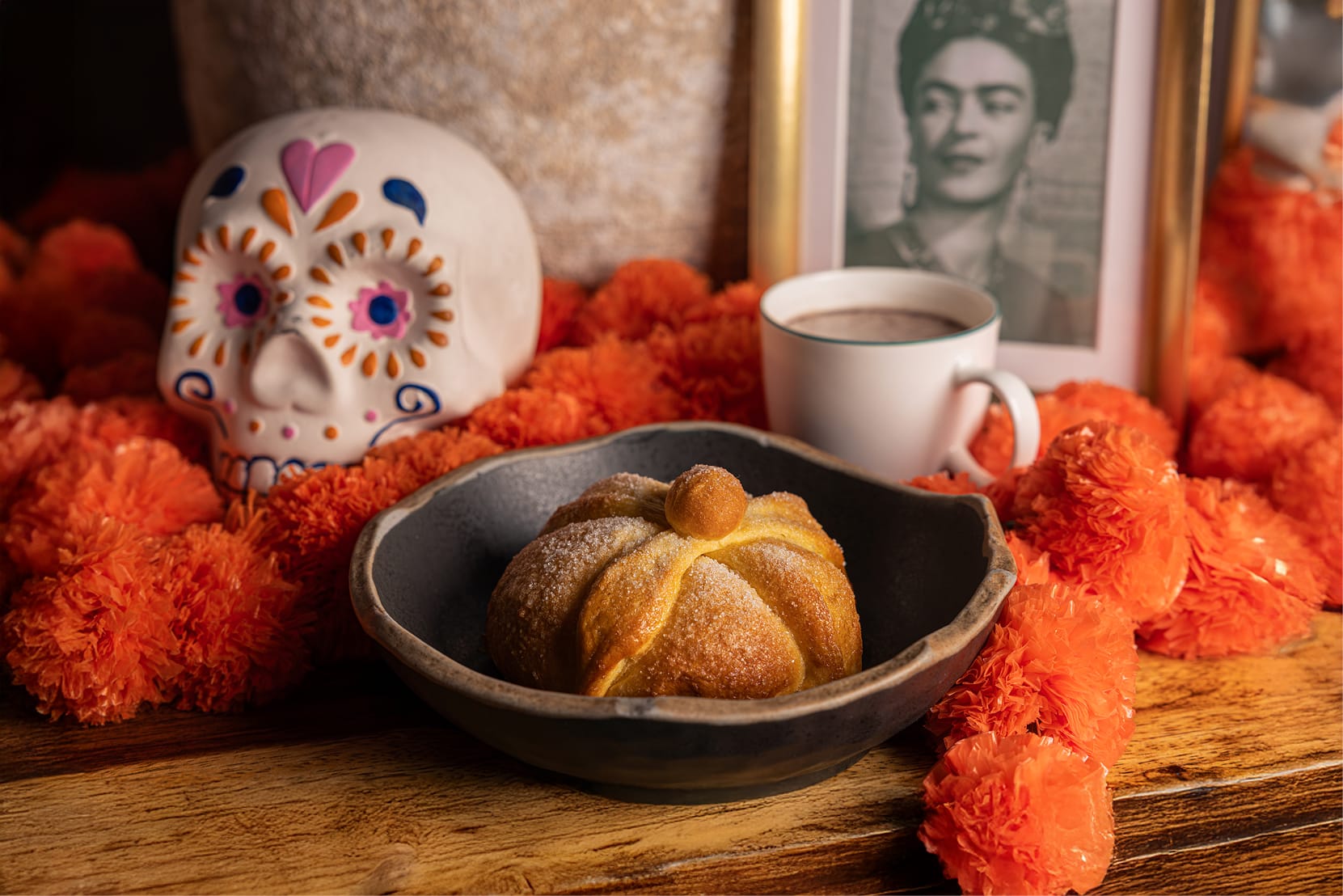
Seasonal moments, such as Día de Muertos, are marked through food and ritual — pan de muerto prepared according to traditional recipes, spiced chocolate, and symbolic décor — reinforcing the restaurant’s commitment to cultural continuity rather than spectacle.
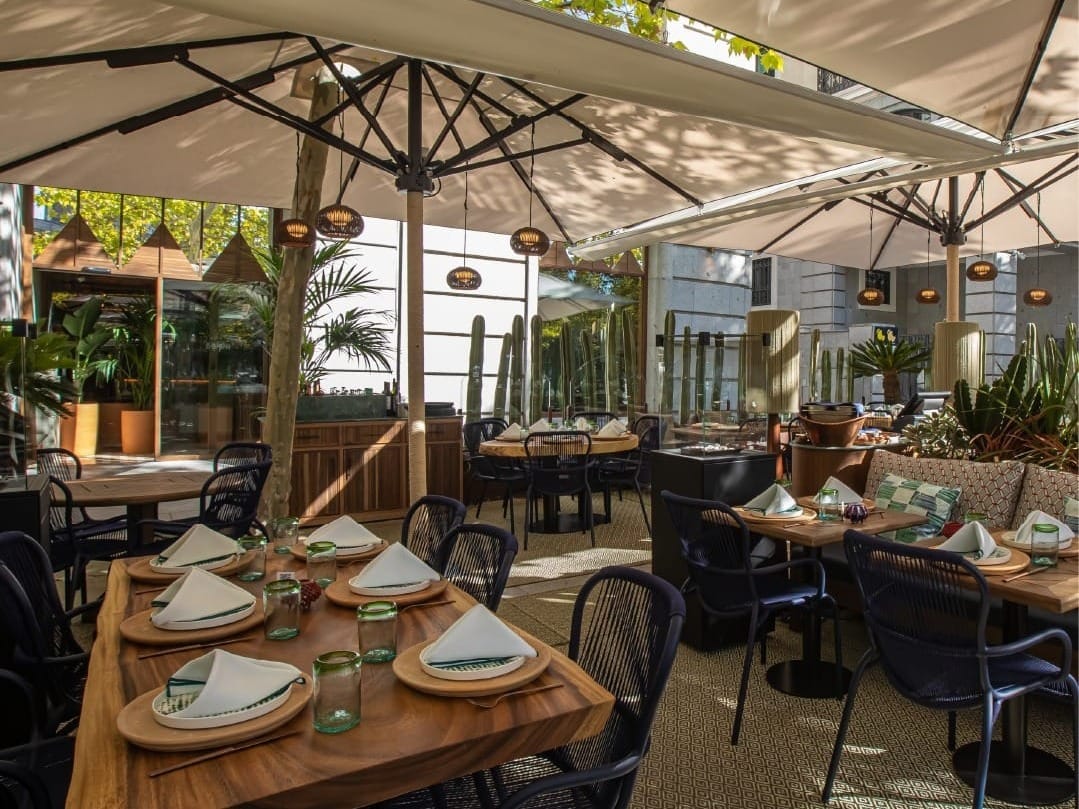
Bakan Madrid does not attempt to modernise Mexican cuisine, nor does it reduce it to nostalgia. Its strength lies in repetition, discipline and respect for process. By placing nixtamalised corn, wood fire and traditional fermentation at the centre of its operation, the restaurant offers a form of Mexican cooking that is both direct and grounded.
In a city where Mexican cuisine is often filtered through adaptation, Bakan stands apart by insisting on method. The result is a restaurant where flavour, structure and cultural reference remain aligned — from the tortilla to the last pour of mezcal.