Aman Tokyo: The Art of Stillness Above the City
– 5 min read

“Do not seek to follow in the footsteps of the old poets; seek what they sought.” - Matsuo Bashō
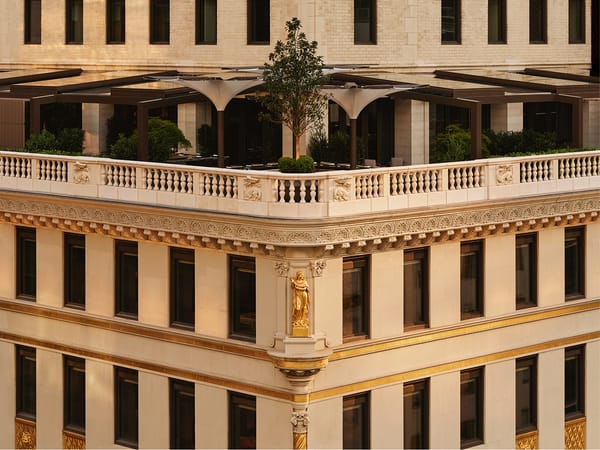
Tokyo is a city that rarely lowers its voice. Even its calm is engineered - inside train timetables, in the order of queues, in the precision of a coffee poured without spilling a thought. Aman Tokyo sits above that tempo, not as an escape, but as a counterpoint: an address in Otemachi where silence is treated like a material - shaped, protected, and given proportion.
A Japanese proverb says, “Ishi no ue ni mo san-nen” - sit on a stone for three years. Patience, endurance, the quiet mastery of time. Aman Tokyo’s luxury is built on that logic: not the adrenaline of novelty, but the deep comfort of design decisions that refuse to hurry.
In Tokyo, space is never neutral. It is negotiated, measured, purchased at a premium, then used efficiently - often aggressively. Aman Tokyo does something financially irrational by local standards: it gives space away to atmosphere.
The hotel’s arrival sequence is not a corridor of retail gestures. It opens into volume - an internal horizon. The lobby reads like a modern interpretation of a lantern: light softened, edges disciplined, materials chosen for how they behave across a day rather than how they photograph at one moment. The cost is not only in finishes; it is in what could have been monetised but wasn’t.
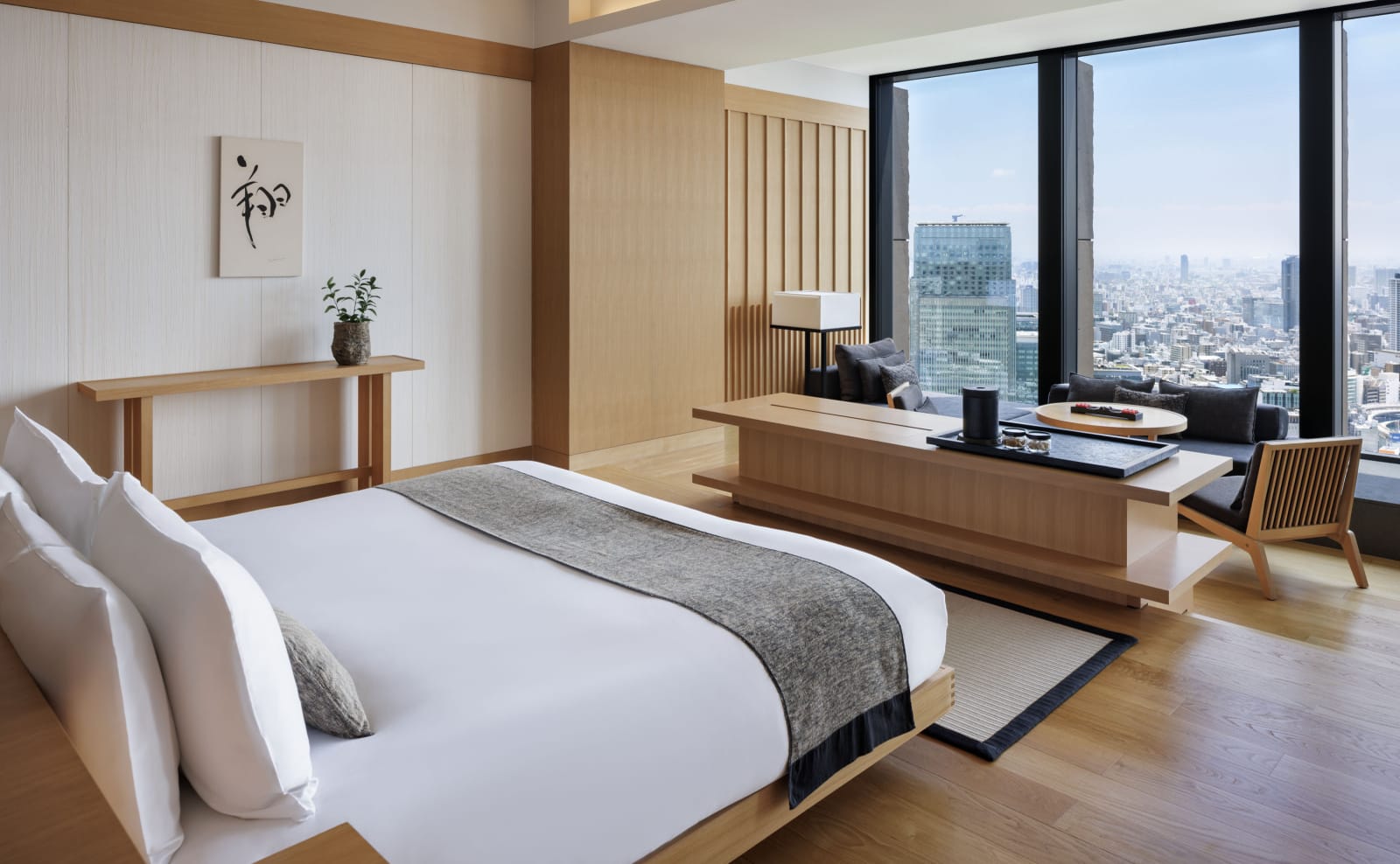
Then there’s the rooms: every key is a suite, and the entry-level footprint is closer to what many luxury hotels in Tokyo call an upgrade. This changes the entire psychology of a stay. You don’t fit into Aman Tokyo; you settle into it. There is room to work without turning the bed into a desk. Room to drink tea without performing leisure. Room, simply, to be uncompressed.
A proverb often translated as “The bamboo that bends is stronger than the oak that resists” fits here. Aman Tokyo doesn’t resist Tokyo; it bends away from its noise, creating a private architecture of calm.
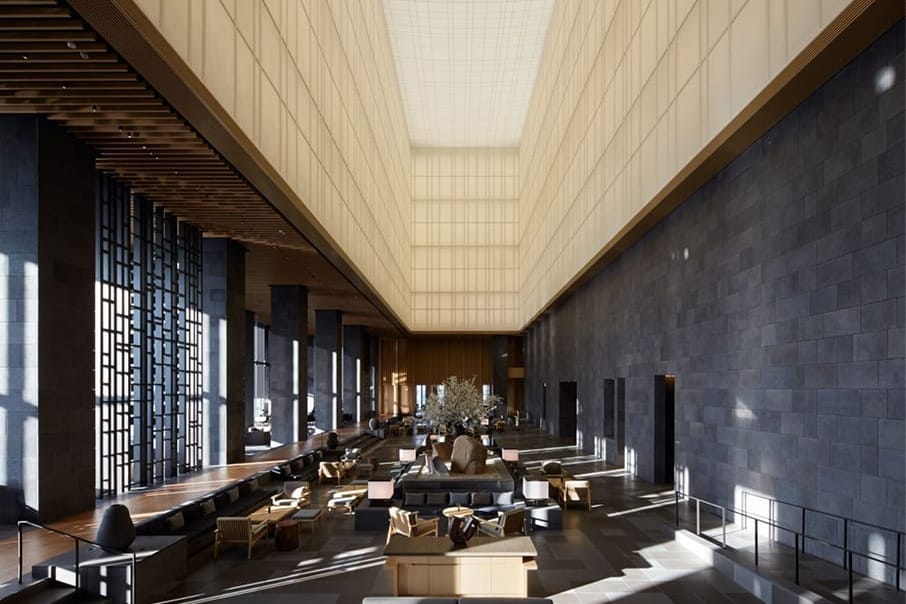
Aman’s strongest properties are defined by what they don’t force. In Tokyo, that becomes a kind of editorial discipline. The palette is restrained. The lines are clear. Light behaves like a slow conversation - filtered, indirect, never sharp for attention.
Jun’ichirō Tanizaki wrote about the beauty of subdued light and shadow - how depth emerges when brightness is not overused. Aman Tokyo feels aligned with that idea. Not in a nostalgic way, and not as a themed “Japanese” interior, but as a contemporary space that understands one of Japan’s oldest aesthetic truths: clarity doesn’t require glare.
Even the hotel’s seasonal gestures - floral installations, shifts in mood, subtle changes in the public spaces - work like punctuation rather than headlines. The building acknowledges time without turning it into an event.
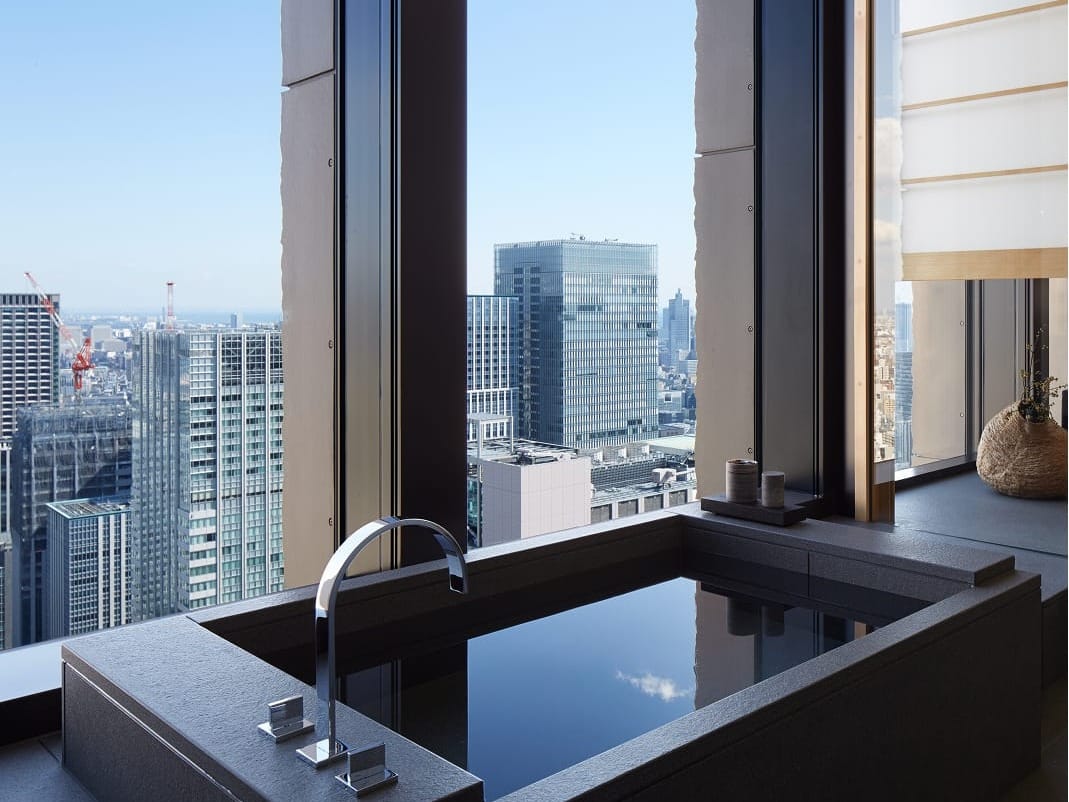
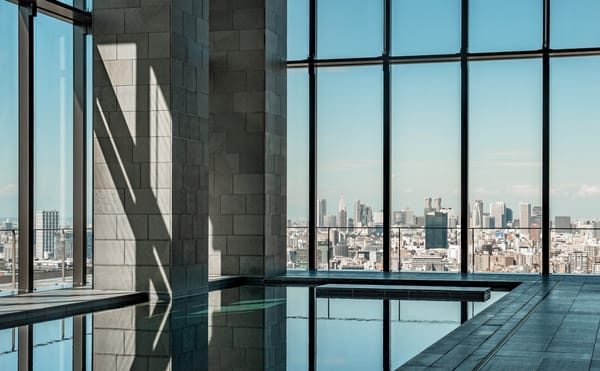
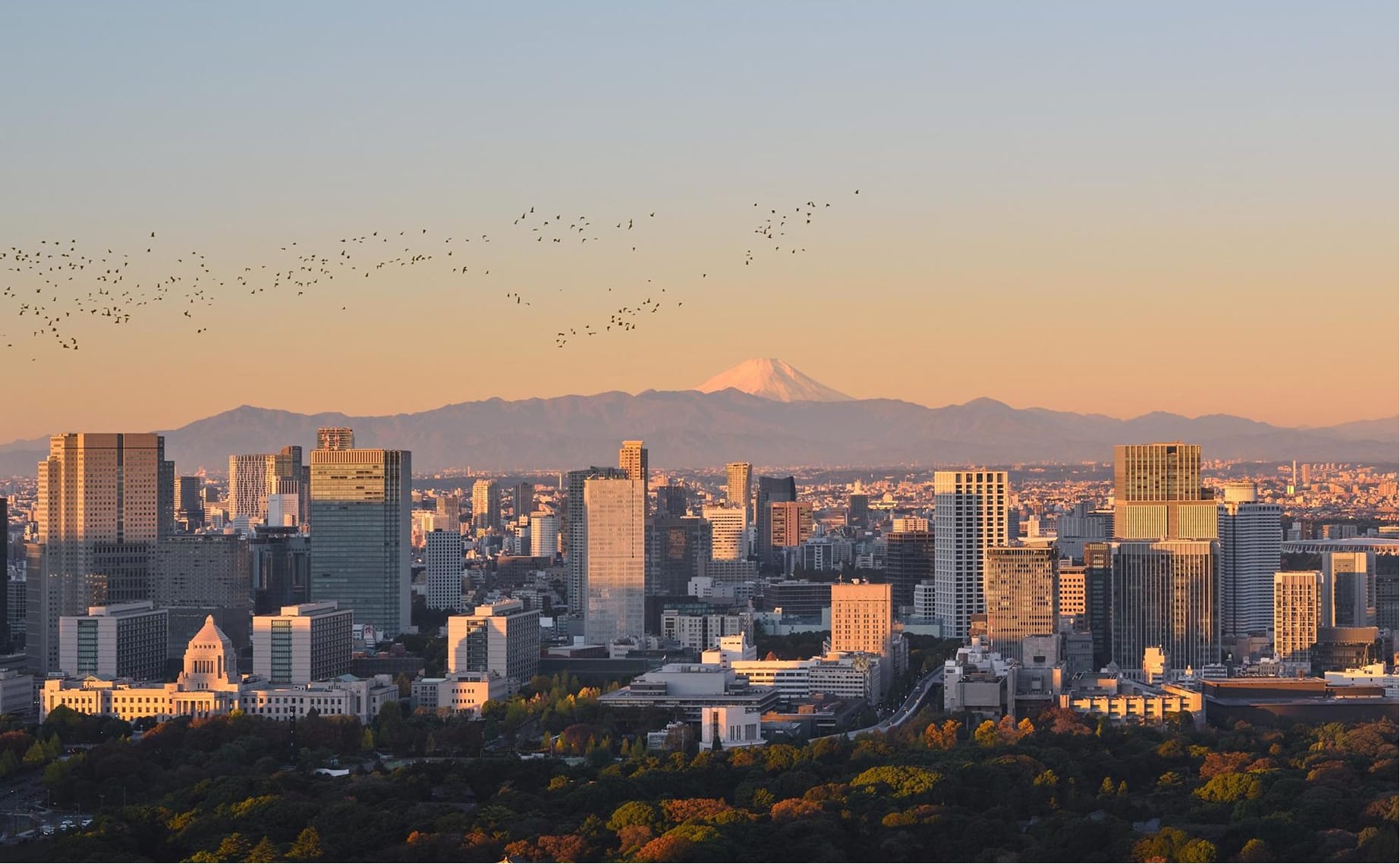
Many hotels sell Tokyo as a panorama. Aman Tokyo frames it differently. The city becomes negative space: a field of movement held at a distance by the room’s calm geometry. From this height, Tokyo stops looking like chaos and starts reading like composition - grids, gardens, light, and the occasional calm of the Imperial Palace green.
A Japanese saying goes, “The moon does not hurry, yet it crosses the sky.” The view here carries that same lesson. Tokyo continues at full speed. You simply don’t have to match it.
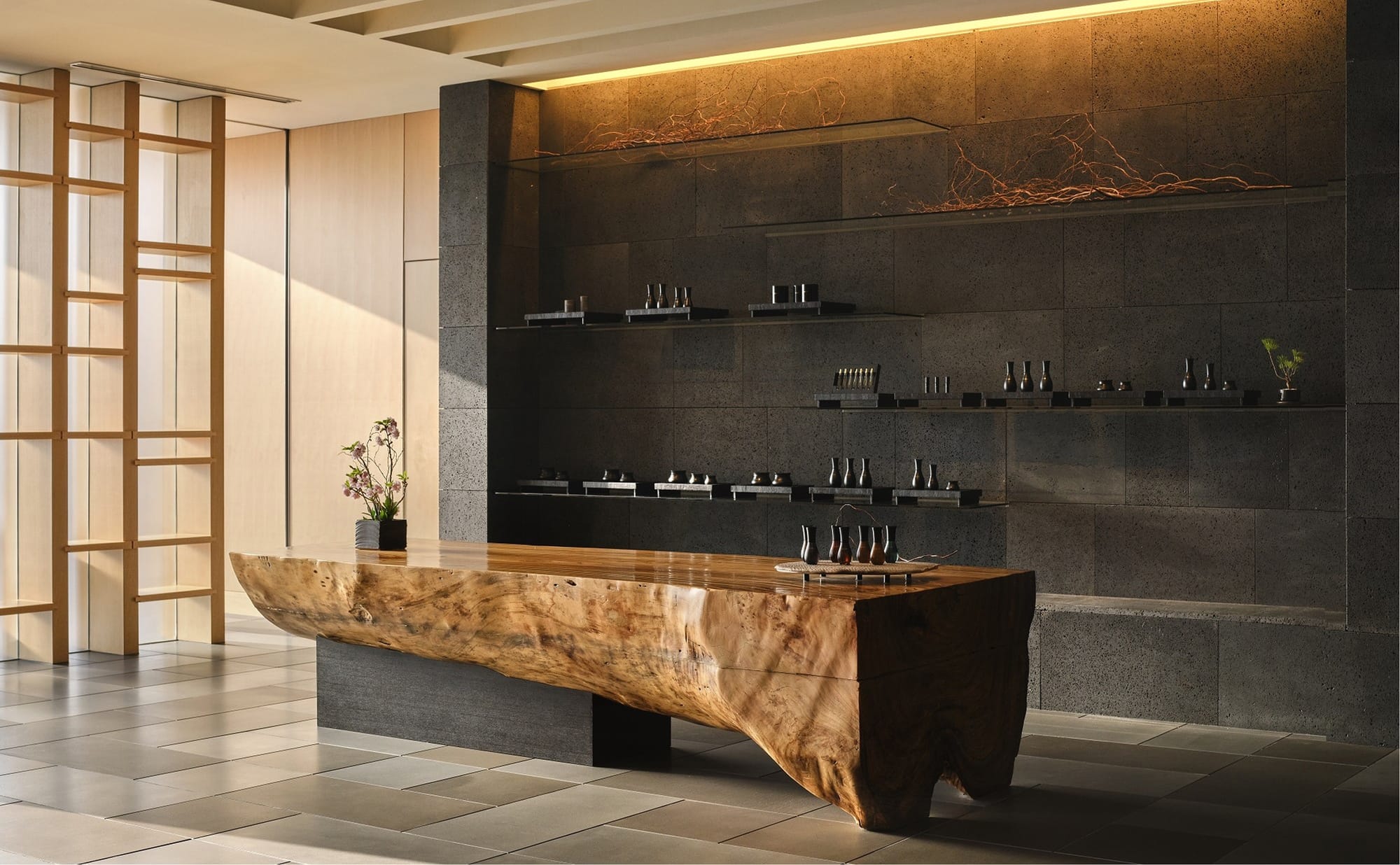
In the luxury market, service is often theatrical: constant presence, constant affirmation. Aman Tokyo’s service culture is closer to ma - the Japanese concept of meaningful interval. Staff appear when needed, then step back. The result is not distance; it’s respect.
There is a particular confidence in hospitality that does not over-explain itself. Aman Tokyo tends to attract guests who read this correctly: business travellers who want the city’s infrastructure without its friction; design-led travellers who notice proportion before branding; repeat Japan visitors who prefer modern restraint over nostalgia.
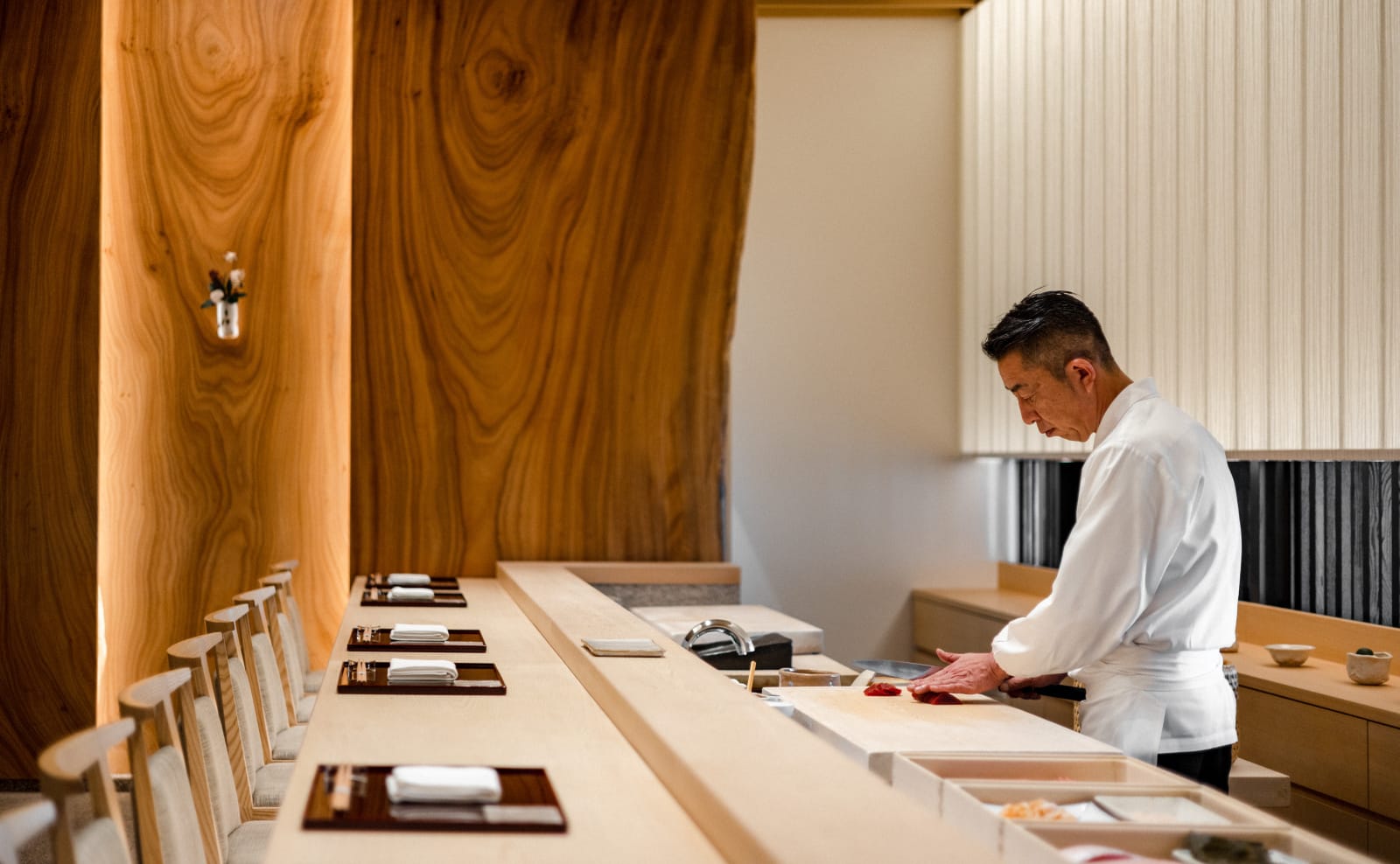
Tokyo is both deeply traditional and relentlessly contemporary. Aman Tokyo mirrors that duality without trying to “represent” the city through a single culinary signature.
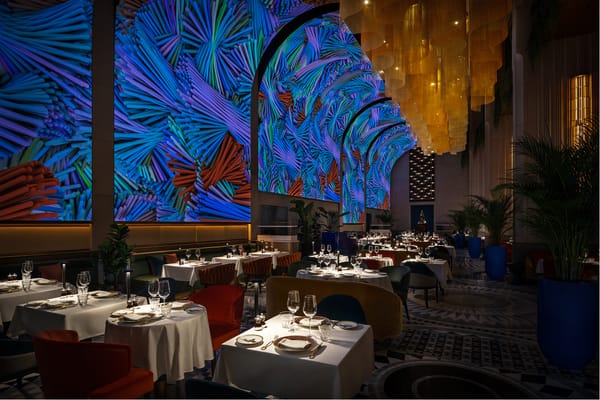
Its restaurants and lounge formats are designed to function for how people actually use a high-level city hotel: business lunches that need calm and pace; dinners that can be intimate without being staged; a late drink that feels like a pause, not a scene. The most convincing aspect is coherence - the sense that dining belongs to the architecture rather than competing with it.
A line often attributed to Japanese wisdom is, “One kind word can warm three winter months.” Here, that warmth arrives not through grand gestures, but through the consistency of small precision: timing, tone, and the feeling of being quietly understood.
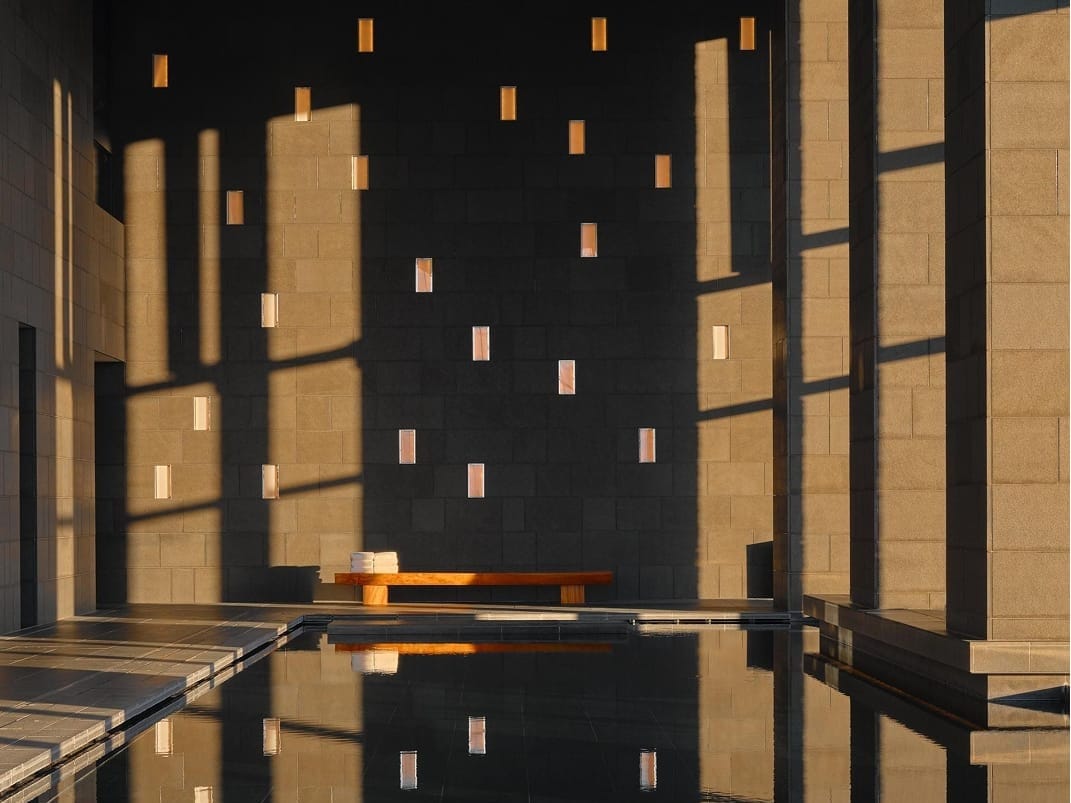
Aman Tokyo’s spa is not an add-on. It is one of the hotel’s central reasons to exist - an urban wellbeing programme scaled with unusual generosity, anchored by a long pool and bathing rituals that reference onsen culture without turning it into imitation.
This matters in Tokyo because the city is physically demanding: long walks, long meetings, long days. Aman Tokyo doesn’t promise transformation; it provides infrastructure for recovery - space, heat, water, and the kind of calm that makes sleep arrive earlier than expected.
There is another proverb: “Ichigo ichie” - one time, one meeting. It’s usually used to describe the singularity of a moment, the idea that each encounter is unrepeatable.
Aman Tokyo works in that spirit. Not by manufacturing “moments,” but by giving guests the conditions in which moments can happen: a morning where the city looks newly ordered; an evening where time expands because nothing is rushing you; a room where quiet feels like a form of care.
Awards are only useful when they confirm what the guest will feel. Aman Tokyo’s recognition in high-level hotel guides tends to reflect the same core strengths: design integrity, suite scale, service discipline, and the ability to make a financial district feel unexpectedly livable.
What’s more telling than any trophy is how Aman positions the property today: not as a “Tokyo stop,” but as a chapter in a broader Japan narrative - encouraging travellers to pair the city with Aman’s other Japanese destinations. It’s a quiet vote of confidence in the hotel’s role: the place where Japan begins for some, and where it becomes legible for others.
In a capital built on velocity, Aman Tokyo makes a different argument: that the highest form of luxury is not more stimulation, but a well-made stillness - precise enough to hold you, discreet enough to let you go back to the city unchanged, yet somehow better organised inside.